
Consult the Emotional Weather Report
Before you even look at the festival map, look inward. What kind of experience are you craving in that exact moment? Is your energy high, demanding a massive, pulsing crowd and a beat you can dance to? Or are you feeling more introspective, ready for an emotional
singalong in a more intimate setting? For example, a conflict between a high-energy pop act like Charli XCX on the main Lands End stage and a beloved indie band like Modest Mouse at the more secluded Sutro stage presents two completely different vibes. There's no right answer, but there is a right answer for you, right now. Be honest about what you need, not what you think you should want.
Audit the Physical Reality
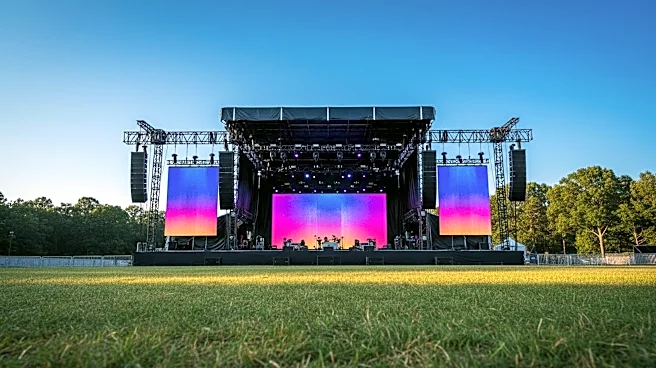
Outside Lands is a marathon, not a sprint, and its layout is a key player in your decisions. The festival grounds are vast, sprawling across Golden Gate Park's meadows and polo fields. The walk from the main Lands End stage to the Twin Peaks stage can take a surprisingly long time, especially when navigating dense crowds. Before committing to a split-set strategy, pull up the festival map on the official app. Are the stages right next to each other, like Panhandle and Twin Peaks? A quick dash might be feasible. But a trek from one end of the park to the other could mean you miss half of both sets and arrive sweaty and stressed. Sometimes the best choice is the one that requires the least amount of frantic jogging.
Gauge the Rarity Index
Not all sets are created equal. Some artists are road warriors who will likely play a show near you in the next year. Others are a much rarer get. Is one of the conflicting artists on a reunion tour? Are they an international act that seldom visits the U.S.? Is it a unique collaboration, like the GRIZTRONICS set? Festival veterans often prioritize the performance they're least likely to get another chance to see. A legacy act might be on their final tour, while that hot new indie band will probably be back next year on a bigger stage. This long-term thinking can be a powerful tiebreaker when your heart is torn.
Factor in the Social Contract
Unless you're flying solo, your festival experience is intertwined with your friends'. Having a quick chat about priorities before the day begins can save a lot of in-the-moment tension. Are you all die-hards for the same headliner? Great, stick together. But what if the group is split? This is where the beauty of the "divide and conquer" strategy comes in. Set a clear meeting point and time for after the conflicting sets. Allowing everyone to see their personal must-see act and then regroup to share their experiences can make the festival even more memorable. Don't be afraid to go your own way for an hour; your friends will still be there when you get back.
Master the Art of the Split Set
Sometimes, you want to have it all. Seeing half of one show and half of another is a high-risk, high-reward strategy that requires precision. Here's how to pull it off: position yourself at the back or side of the crowd for your first set, ensuring a quick escape. Leave before the artist plays their biggest hit; the mass exodus after the finale will trap you. Accept that you'll likely get a less-than-ideal view for the second set, as you'll be arriving well after the dedicated fans have staked their claim. This strategy works best for partially overlapping sets rather than those that are in direct conflict. But be warned: many seasoned festival-goers have a strict rule to never leave a set if you're having a great time. FOMO for a hypothetical better time can ruin the definite good time you're already having.