


The Case for Analog Warmth
For purists, the conversation begins and ends with warmth. Analog sound, which travels as a continuous electrical wave, is often described as richer, fuller, and more 'human.' Think of it like the difference between a real brushstroke and a pixelated
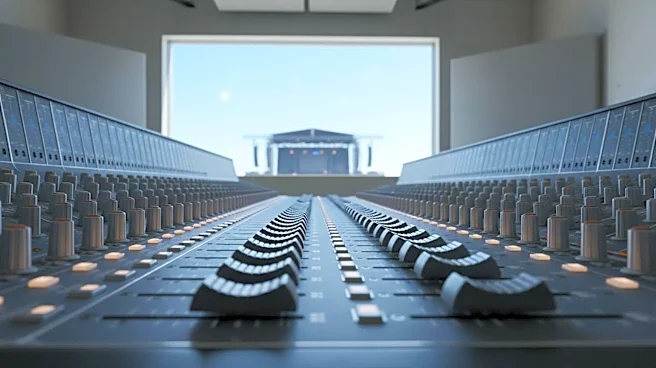
line. When you push analog gear, it doesn't just get louder; it saturates, adding pleasing harmonics and a subtle, natural compression that glues the sound together. This is the 'vibe' that artists and old-school engineers chase. The gear itself is part of the appeal—rows of physical knobs and faders provide a tactile, one-knob-per-function immediacy that allows for intuitive, in-the-moment adjustments. There’s no screen, no menu-diving. There’s just the raw, uninterrupted signal path from the microphone to the speaker, colored and shaped in a way that many feel is more musical and emotionally resonant. For its champions, analog isn't just a technical choice; it's a philosophy.
The Power of Digital Precision
On the other side of the soundboard is the digital revolution, and its argument is built on power, flexibility, and pristine clarity. A digital audio signal is a series of snapshots—ones and zeros—that recreate the soundwave. While purists see this as a loss of information, modern digital converters are so sophisticated that the result is incredibly accurate. For a massive, multi-stage festival, the advantages are undeniable. A digital console can save and recall settings for dozens of bands, an impossible feat with an analog board. It packs an entire rack of effects (reverb, delay, compression) into a single, often smaller, footprint. This allows engineers to create complex, polished soundscapes that would require a truckload of outboard gear in the analog world. The signal is also less susceptible to noise and degradation over the long cable runs common at festivals. For engineers managing the chaos of a festival weekend, digital offers repeatability, control, and a level of surgical precision that analog simply can't match.
But Can You Really Hear It?
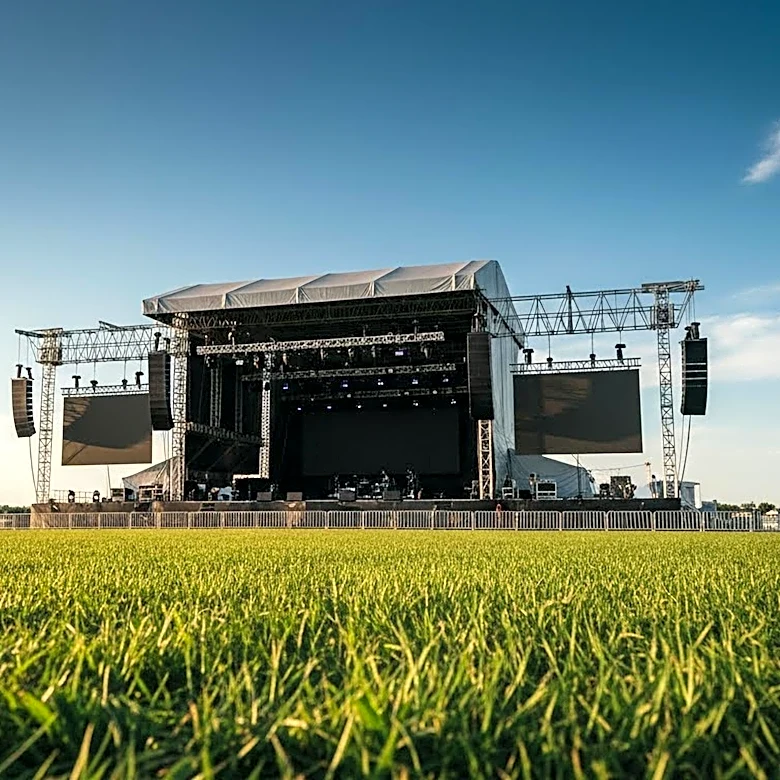
This is the million-dollar question that hangs over the entire debate. In a controlled studio environment, trained ears can often pick out the subtle characteristics of analog warmth versus digital cleanliness. But in the middle of a festival field, surrounded by ten thousand cheering fans, with wind and weather as factors? The lines blur significantly. The final sound a concertgoer hears is shaped by dozens of variables: the quality of the microphones, the skill of the engineer, the acoustics of the space (or lack thereof in an open field), and, most importantly, the massive speaker system itself. Many argue that the choice between an analog or digital console is one of the smaller factors in the overall sonic equation. Often, what people perceive as 'digital' harshness is actually just poor mixing, while the 'warmth' of an old record is as much about nostalgia as it is about the audio signal. For the vast majority of the audience, a good mix is a good mix, regardless of the technology used to create it.
The Hybrid Future Is Already Here
Ultimately, the 'versus' in the headline is becoming obsolete. The modern festival soundscape is rarely a purely analog or digital affair. It's a hybrid world. Many tours now travel with a digital console for its power and recallability but use high-end analog preamps or compressors on key instruments, like vocals and drums, to add that coveted warmth and character. They get the best of both worlds: the precision and flexibility of digital workflow combined with the beloved sonic texture of analog components. This approach recognizes that the technology is a tool, not a religion. The real magic isn't in the gear itself but in the hands of the skilled audio engineer who knows how to use it. They are the true artists, blending technology and taste to translate the band's energy on stage into the unforgettable sonic experience that defines a great festival performance.