
The Rise of the Relaxed Silhouette
For years, red-carpet suiting meant one thing: razor-sharp, body-hugging tailoring. Think Daniel Craig’s James Bond or the skintight silhouettes that dominated the 2010s. But a quiet revolution has been brewing, and it was on full display at Tribeca.
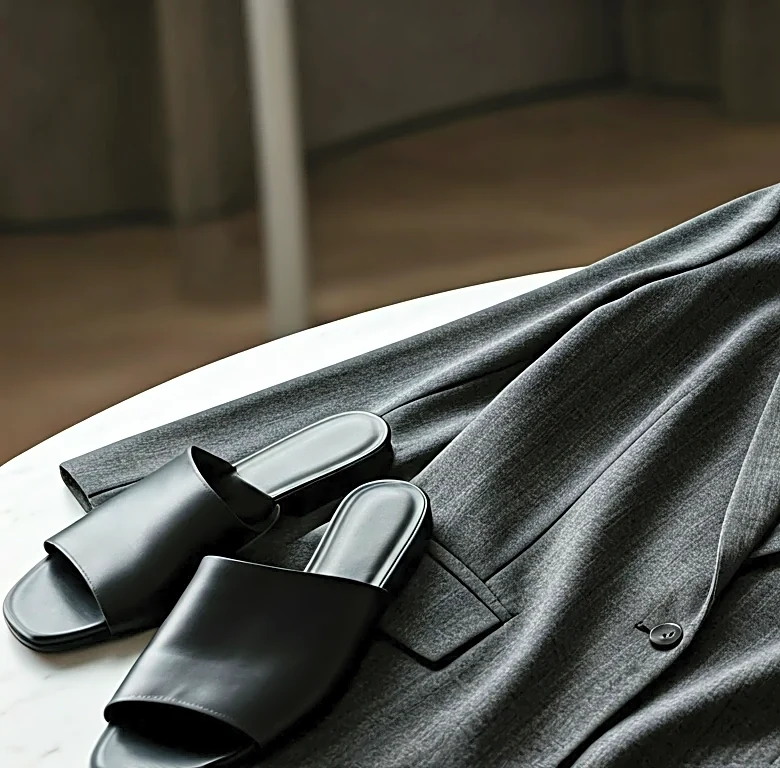
Celebrities arrived in suiting that was deliberately oversized, fluid, and comfortable. We saw boxy, '80s-inspired blazers, wide-leg trousers that pooled gracefully around the ankles, and fabrics that draped rather than constricted. This shift isn't just about a fleeting trend; it’s a reflection of a broader cultural move towards what can be called “soft power.” The new uniform of success is less about rigid armor and more about confident ease. It telegraphs a sense of being so comfortable in your own skin that you don't need your clothes to scream for you. Yet, these looks didn't appear sloppy or lazy. They felt intentional, expensive, and undeniably cool, leaving many of us wondering how to replicate that effortless polish.
The Paradox: Slouchy but Structured
Observe the best-dressed attendees at Tribeca or any recent high-fashion event, and you'll notice a fascinating paradox. An actor might wear a double-breasted blazer that’s a full size too big, yet it doesn’t swallow them whole. A director could choose trousers with a generous, flowing cut, but they don't look like they’ve borrowed them from someone else’s wardrobe. This is where the artistry comes in. The look is a careful balancing act between volume and definition. It’s the sartorial equivalent of a perfectly architected modern building—full of open space, but supported by an incredibly strong, deliberate structure. Without that structure, a relaxed suit can quickly veer into pajama territory. The key isn't just to buy big clothes; it's to understand how to control the volume you've just introduced. The trick is to give the eye a single place to rest, a point of sharpness amidst the softness.
The Trick: Create a Single 'Anchor Point'
The secret to making a relaxed suit feel red-carpet sharp is the strategic creation of a single, tailored “anchor point.” While 90% of the outfit is allowed to be loose and flowing, one specific element is tailored to perfection, grounding the entire look and giving it structure. This anchor point draws the eye and provides the crucial definition that prevents the silhouette from becoming a formless blob. It's a subtle but powerful piece of visual storytelling, telling the viewer that every part of this outfit, especially its looseness, is completely intentional. The most common anchor point is the waist. You might see a belt cinching an oversized blazer, or a single button on a jacket placed slightly higher than normal to create a subtle hourglass shape. Other times, the anchor is a sharply defined shoulder pad, providing a strong frame from which the rest of the fabric can drape. Even the hem of a pant can serve this purpose, cropped perfectly to reveal a sliver of ankle and a sharp shoe.
How to Master the Anchor Yourself
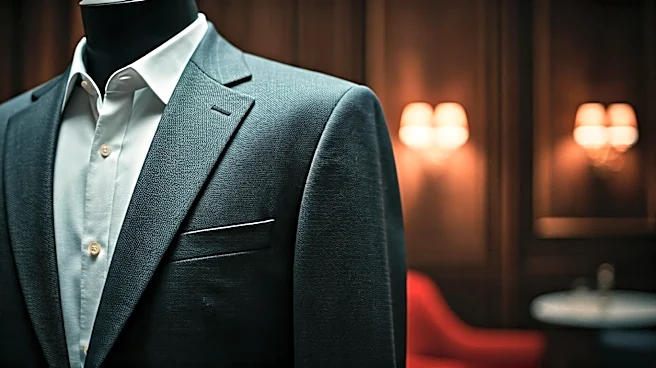
The best part about this tailoring trick is that it’s surprisingly accessible. You don't need a bespoke suit; you just need a good tailor and a discerning eye. If you've found the perfect oversized blazer at a vintage shop, don't just wear it as is. Ask a tailor to add a subtle dart or move the button to create that crucial waist definition. Or, even simpler, use a stylish leather belt to cinch it yourself. When wearing wide-leg trousers, the anchor point is almost always the length. Resist the urge to let them bunch up over your shoes. Have them hemmed to either just skim the top of your foot for a classic “break” or to hit at the ankle for a more modern, cropped look. This precision at the floor makes the volume up top look deliberate. Similarly, if your jacket has soft, unstructured shoulders, ensure your shirt collar underneath is crisp and sharp. It’s all about contrast: one point of sharp focus is all it takes to elevate the entire ensemble from simply relaxed to relaxed-and-in-charge.