








Redefining a ‘Healthy’ Condition
Alopecia universalis is an advanced form of alopecia areata, an autoimmune disease where the body’s immune system mistakenly attacks its own hair follicles, leading to complete hair loss on the scalp and body. Crucially, the condition itself does not
make a person sick in the traditional sense; their internal organs and systems remain unaffected by the hair loss. The challenge lies in redefining 'health' outside the context of a full head of hair. A 'healthy' journey with alopecia universalis isn't about finding a cure, which remains elusive. Instead, it's about creating a robust framework of care that addresses the unique physical and profound psychological needs that arise from living without hair.
The Physical Shield: A New Kind of Care
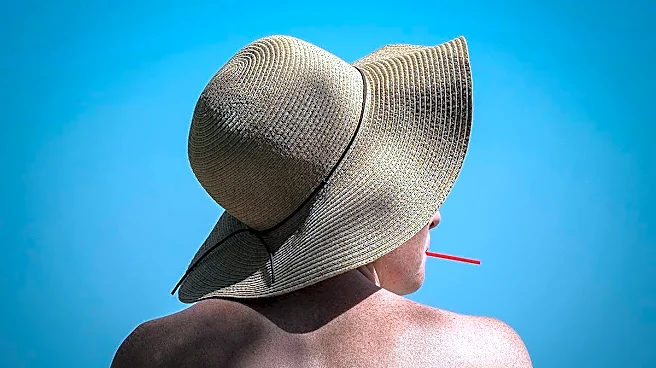
A daily routine for someone with alopecia universalis involves compensating for the body’s lost protective barriers. Without hair, the scalp is completely exposed to the sun, making diligent use of high-SPF sunscreen, hats, or scalp-specific products a non-negotiable part of daily life to prevent sunburn and long-term skin cancer risk. The eyes, lacking the protection of eyelashes and eyebrows, are more vulnerable to dust, debris, and sweat. This often means wearing glasses or sunglasses outdoors becomes a functional necessity, not just a style choice. Similarly, the absence of nasal hair reduces the nose's natural ability to filter air, which can lead to a perpetually runny nose or increased sensitivity to allergens. The 'routine' here is one of proactive protection—a constant awareness of the body's new relationship with the environment.
The Mental Fortitude Practice
Perhaps the most critical, and most hidden, part of the routine is managing the immense psychological toll. Hair is deeply intertwined with identity, self-expression, and societal standards of beauty. Its sudden and total loss can trigger anxiety, depression, and social withdrawal. A healthy routine, therefore, must include active mental health management. This can take many forms: regular sessions with a therapist who understands chronic illness, practicing mindfulness to cope with public stares or intrusive questions, and developing a strong sense of self that is not dependent on physical appearance. It's a daily exercise in self-compassion, building resilience, and choosing how to present oneself to the world—whether that’s embracing a bald look, wearing stylish wigs or headwraps, or a combination of all three. This emotional labor is a core component of thriving with the condition.
Building Your Support System
Alopecia is not a journey meant to be traveled alone. Integrating community into a weekly or monthly routine is a powerful tool for wellness. Support networks, like those fostered by the National Alopecia Areata Foundation (NAAF), provide a vital space where individuals can share experiences without judgment or the need for explanation. Seeing others—children, teens, and adults—living confident, successful lives with the condition is incredibly affirming. This community becomes an external source of strength, offering practical tips (like the best sweat-proof eyebrow tattoos) and, more importantly, a reminder that you are not defined by your diagnosis. This connection transforms a personal struggle into a shared experience, significantly lightening the emotional load.