






What Makes Jewelry an 'Investment'?
Before talking diamonds, let’s define what an “investment piece” really means in jewelry. It’s not just about a high price tag. A true investment piece holds its value over time, resists fleeting trends, and has a consistent demand in the resale market.
Unlike a trendy gadget, fine jewelry, particularly with high-quality diamonds and precious metals, has inherent worth. A tennis necklace excels here because it's not a niche, of-the-moment design. Its simple, elegant line of diamonds has been a staple for decades, meaning it's less susceptible to the boom-and-bust cycles of fashion. It’s a piece you can wear and enjoy, all while it quietly retains its worth.
The Anatomy of Value: Diamonds and Craftsmanship
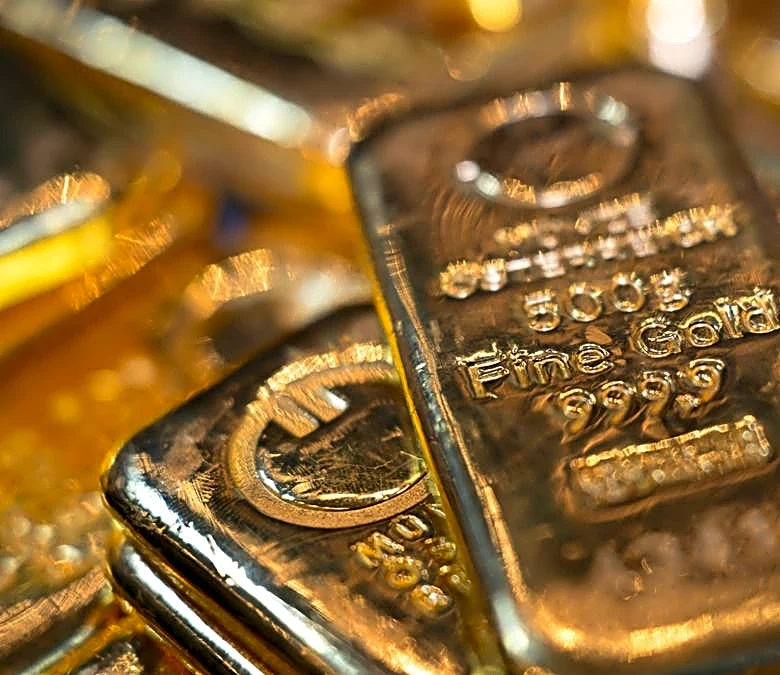
The core value of a tennis necklace lies in its components. First, the diamonds. Their quality is determined by the classic “4 Cs”: Cut, Color, Clarity, and Carat weight. For a tennis necklace, consistency is key; the piece is only as strong as its weakest link. Jewelers must source dozens of stones that are meticulously matched in size and sparkle. High-quality, natural diamonds are rare, and sourcing so many matched stones adds to the piece's value. Beyond the gems, the metal and setting are crucial. Platinum and 14k or 18k gold are standard, providing a durable and valuable foundation. The craftsmanship of the setting—whether it's a prong setting that maximizes sparkle or a secure bezel setting—not only affects the look but also the necklace's longevity and, therefore, its investment potential.
Timeless Style Creates Lasting Demand
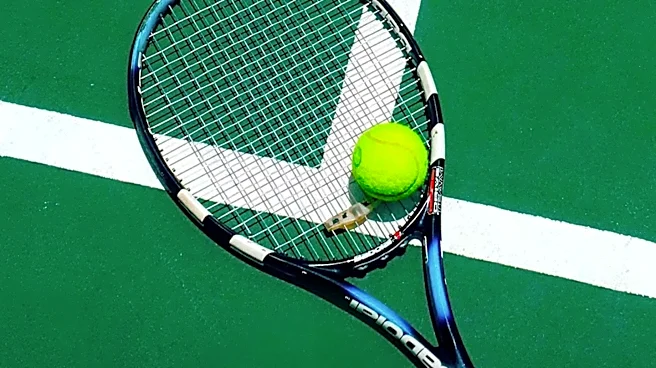
The tennis necklace earned its name and a dose of fame in 1978 when tennis star Chris Evert’s diamond bracelet fell off during the U.S. Open. That moment cemented the style—a flexible, continuous line of diamonds—in the public consciousness. Since then, it has become a go-to for effortless luxury. It’s a piece that looks as appropriate with a t-shirt and jeans as it does with a formal gown. This incredible versatility is a major driver of its investment value. While statement jewelry can feel dated after a few years, the clean, classic line of a tennis necklace ensures it's always in style. This sustained popularity, part of a wider trend toward “quiet luxury,” means there is always a market for it, protecting its value.
The Realities of the Resale Market
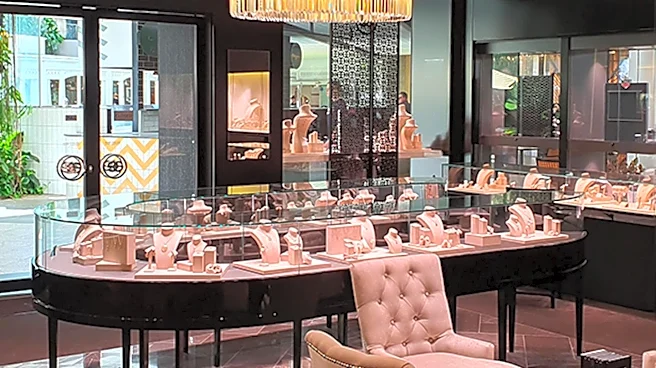
No piece of jewelry should be seen as a get-rich-quick scheme, and resale value is rarely 100% of the retail price. However, compared to more niche or trend-driven items, classic pieces like tennis necklaces hold their ground remarkably well. The enduring demand for diamonds and the timeless nature of the design create a stable secondary market. Natural diamonds, in particular, tend to have a stronger resale value than lab-grown alternatives, as their finite supply helps maintain their price over time. When purchasing, choosing a piece with certified diamonds (from labs like GIA or IGI) and from a reputable jeweler is essential, as this documentation is critical for verifying its quality and securing a fair price if you ever decide to sell.