





The 'Perfect' Ending Problem
Let’s be honest: *Toy Story 3* felt like the perfect trilogy conclusion. Andy, heading off to college, passes his beloved toys to Bonnie, a symbolic transfer of childhood from one generation to the next. Then *Toy Story 4* arrived, surprising many by
delivering another poignant, if different, finale. Woody, realizing his time as a single child’s favorite was over, chose a new life as a “lost toy,” helping others from a carnival outpost. His handshake with Buzz and quiet “so long, partner” felt definitive. It was a story about growing up and letting go. So, the biggest hurdle for *Toy Story 5* isn’t just justifying its existence, but doing so without undermining the emotional weight of its predecessor. The easiest, and worst, path would be to simply reunite the gang for another romp. The stronger, more interesting path is to acknowledge that the world Woody and Buzz now inhabit is fundamentally different from the one they left.
Andy's Room vs. A Kid's Room Today
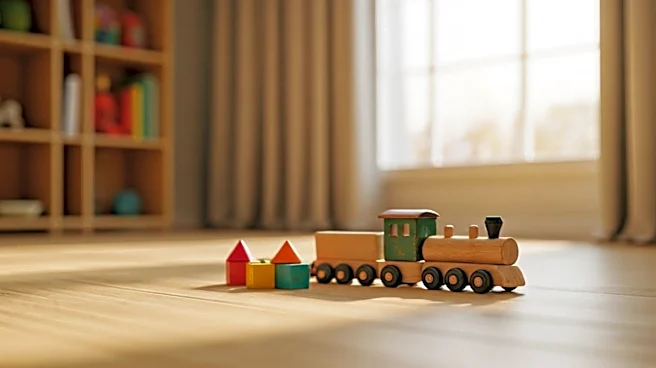
The genius of the original *Toy Story* in 1995 was its reflection of a universal childhood. Andy’s room was an analog wonderland of classics: Slinky Dog, Mr. Potato Head, Etch A Sketch, and army men. Play was imaginative, physical, and self-directed. The biggest threat was a shiny new space ranger who could talk. Fast forward nearly three decades. What does a kid’s room look like now? For many, it’s dominated by a glowing screen. The main source of entertainment isn’t a box of physical toys but an iPad loaded with games, a YouTube Kids app streaming endless “unboxing” videos, and a portal to sprawling digital worlds like Roblox and Minecraft. The nature of play has radically shifted. It’s often passive, curated by algorithms, and lived through digital avatars. A classic cowboy doll and a space ranger feel almost achingly quaint in this new ecosystem. This isn't a judgment on modern kids; it's simply a new reality that the franchise has yet to truly confront.
The New Rules of Being a Toy
This new reality presents a fascinating existential crisis for characters whose entire purpose is to be played with. How does a toy compete with a viral TikTok dance? What is Woody’s purpose when his owner can build entire worlds in a video game? *Toy Story 5* has the opportunity to explore these questions. The conflict is no longer about being replaced by a newer, cooler toy, but by an entirely different form of entertainment. The film could introduce a character that’s a physical manifestation of a digital trend—a toy based on a meme, a TikTok star’s plushie, or even a smart device with a rudimentary AI. This would force Woody, Buzz, and the gang to grapple with their own obsolescence in a way that’s far more profound than just being put in a box. It’s a chance to explore the loneliness and confusion of being an analog object in a digital world, a theme that resonates far beyond the toy chest.
An Opportunity for a Modern Fable
By embracing this change, Pixar can do what it does best: use a simple premise to tell a deep, resonant story about the human condition. A story about physical toys trying to find their place in a digital world is a powerful metaphor for our own struggles with technology, connection, and nostalgia. It allows the franchise to move beyond the simple fear of being forgotten and into a more complex discussion about what it means to be “real” in an increasingly virtual existence. Will the new owner be a kid who livestreams their playtime? Will the toys have to go viral to get attention? These aren't silly questions; they are the narrative bedrock for a potentially brilliant, hilarious, and heartbreaking modern fable. Instead of pretending childhood hasn’t changed, *Toy Story 5* can use our love for these characters as a bridge to understanding what it means to be a kid—and to love a toy—right now.