





A Risky Bet on the Zeitgeist
Coming off the harrowing realism and Oscar-winning success of "Platoon," director Oliver Stone wanted to make a different kind of film: a tribute to his father, a stockbroker during the Great Depression. The idea was to create a morality play set in the world
of 1980s high finance. However, the studio that had backed "Platoon," Orion Pictures, felt a movie dense with financial jargon and corporate raiding was too niche and risky. They passed. Stone eventually secured a moderate $15 million budget from 20th Century Fox, a studio willing to gamble on his vision. The project was far from a guaranteed hit; it was a character-driven drama about a world few understood, making its eventual success all the more stunning.
Casting an Icon of Avarice
The role of Gordon Gekko is now synonymous with Michael Douglas, who won a Best Actor Academy Award for the performance. But he was far from the first choice. The studio wanted a bigger name like Warren Beatty, who wasn't interested. Stone himself first offered the part to Richard Gere, who also passed. Douglas, known more for heroic roles in films like "Romancing the Stone," was actively seeking a darker, edgier character. Even after he was cast, many in Hollywood reportedly advised Stone against it. Douglas embraced the challenge, crafting Gekko from stories of real-life corporate raiders like Ivan Boesky and Carl Icahn. His magnetic, ferocious performance turned what could have been a one-dimensional villain into the compelling, monstrously charming heart of the film.
The Crash and the Box Office Boom
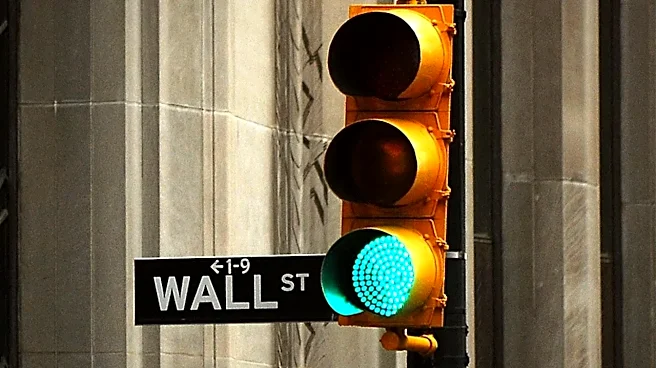
What truly cemented the film's place in history was its uncanny timing. "Wall Street" was released on December 11, 1987, less than two months after "Black Monday," the catastrophic stock market crash of October 19. Suddenly, a film about greed and corruption in the financial world wasn't just a drama; it was an urgent, ripped-from-the-headlines event. While Stone insisted he never predicted the crash, the film's release gave it an explosive prescience. It opened to a solid $4.1 million and went on to gross nearly $44 million domestically, almost triple its production budget. For a dialogue-heavy drama aimed at adults, this was a massive commercial overperformance, shattering the modest expectations for such a specialized film and turning it into a bona fide hit.
The 'Greed Is Good' Legacy
The ultimate irony of "Wall Street" is how its message was received. Stone intended the film as a cautionary tale, a critique of the rampant materialism that defined the era. Gordon Gekko was the villain, a man whose ambition destroyed lives, including his own. Yet for a generation of young, ambitious viewers, Gekko became a hero. His famous speech, where he declares that "greed, for lack of a better word, is good," was meant to be a moment of horrifying clarity about his worldview. Instead, it became a mantra. Over the years, both Stone and Douglas have recounted stories of countless people telling them they became stockbrokers because of Gordon Gekko. The film that was meant to expose the predators of Wall Street inadvertently became their greatest recruitment tool, a testament to its complicated and powerful cultural footprint.