





The Terror of the Wide-Open Frame
Most horror films thrive on claustrophobia, using tight camera angles to make you feel trapped. John Carpenter and his cinematographer, Dean Cundey, did the opposite. They shot 'Halloween' in a widescreen Panavision format, something almost unheard of
for a low-budget horror flick at the time. This choice was a stroke of genius. The wide frame creates vast stretches of negative space within a single shot—darkened hallways, empty street corners, and shadowy lawns. Instead of showing you the monster, Carpenter gives evil a place to hide in plain sight. An ordinary hedge or a dark window suddenly becomes a source of anxiety. Nothing in the frame feels innocent anymore.
Turning Doorways into Portals of Dread
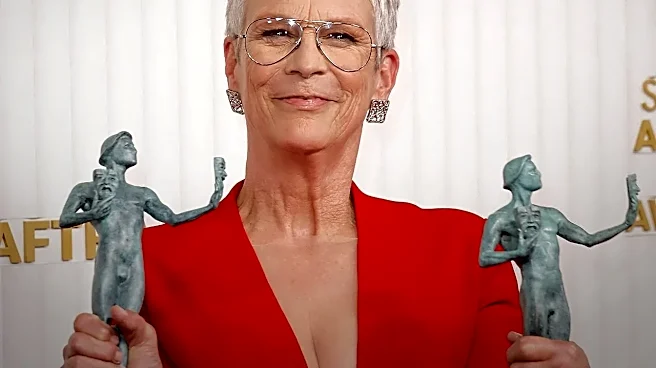
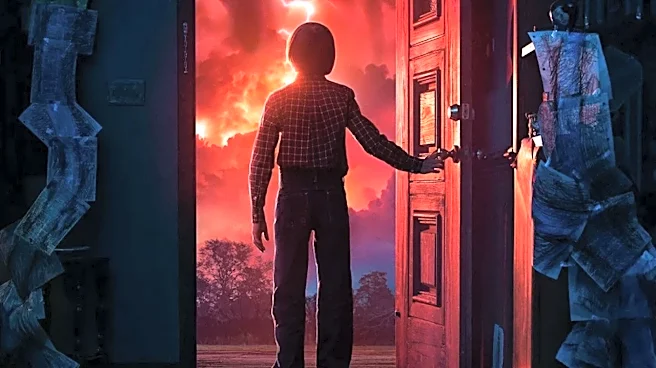
The film is littered with shots of, or through, empty doorways. These aren’t just architectural details; they are psychological torture devices. Each open door is a question mark. Is Michael Myers standing just on the other side? Carpenter uses these frames-within-frames to play with our expectations. When Laurie Strode (Jamie Lee Curtis) is in one room, the camera will often show us the dark, empty doorway leading to another. It becomes a canvas for our deepest fears. We, the audience, start actively scanning the shadows, looking for the pale, blank mask we know is coming. The suspense builds not from what we see, but from the terrifying potential of what we might see next. The home, meant to be a sanctuary, becomes a series of dangerous thresholds.
The Shape in the Background
Carpenter constantly places Michael Myers, credited as 'The Shape', deep in the background. He appears behind a hedge, across the street, or as a ghostly figure seen through a window, only to vanish a moment later. This technique does two things. First, it establishes his almost supernatural ability to be anywhere. He isn’t just a man; he’s an omnipresent force of nature, an 'evil wind' as Carpenter once described him. Second, it trains the audience to be vigilant. After the first couple of sightings, we start looking for him everywhere, in every wide shot of Haddonfield’s serene streets. Carpenter makes us complicit in our own terror; we become paranoid observers, doing Michael's work for him by anticipating his presence in every dark corner.
The Audience as the Stalker
The film’s famous opening sequence, a long, unbroken point-of-view shot from young Michael’s perspective as he murders his sister, establishes a key visual rule: sometimes, we are the killer. This forces an unsettling identification with the predator from the very beginning. The camera’s patient, steady movements mimic Michael's own relentless, emotionless nature. Later, when the camera stalks Laurie and her friends from afar, we are put back in that predatory position. By combining these POV shots with the wide, observational frames filled with empty doorways and dark spaces, Carpenter creates a disorienting and terrifying experience. We are simultaneously the victim, anxiously checking every shadow, and the stalker, patiently waiting within them. This duality is what makes the fear in 'Halloween' so profound and unshakable.