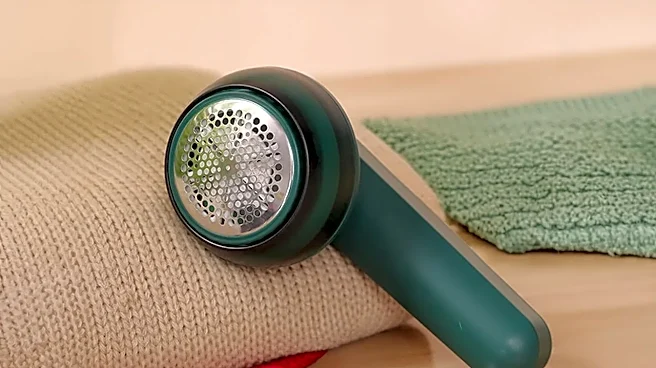


It’s a familiar story: your favorite sweater, once soft and smooth, is now covered in tiny, unsightly fuzz balls. Before you demote it to the donation pile, there’s a tool that can bring it back to life: the fabric shaver.
First, Understand the Enemy: What Is Pilling?
Those little balls, known as
pills, are the result of friction. When you wear and wash a garment, especially one made of softer or shorter fibers like wool, cotton, or certain synthetics, the fibers can break, loosen, and tangle together on the surface. This is common in high-friction areas like under the arms, along the sides where a bag might rub, or on cuffs. Pilling doesn't necessarily mean a sweater is poor quality—even premium cashmere can pill—but removing the pills correctly can make a garment look nearly new again.
The Golden Rule: Always Patch Test First
The most important step is the one right in the headline. Before you take a fabric shaver to the entire front of your sweater, you must perform a patch test. This step is non-negotiable, especially for delicate materials like cashmere or very loose knits where a shaver could potentially snag the yarn. Choose a small, inconspicuous area, like an inside seam, the hem at the back, or under the armpit. Run the shaver gently over this spot. Check the results. Does the fabric look smoother? Is there any sign of thinning or, worse, a snag? If the test area looks good, you can proceed with confidence. If not, a fabric shaver may be too aggressive for that particular garment.
The Step-by-Step Guide to De-Pilling
Once your patch test is successful, it’s time to tackle the rest of the sweater. For the best and safest results, follow a clear process. First, lay the garment on a clean, hard, flat surface like a table or ironing board. Never use a fabric shaver on clothes you are currently wearing or on a soft surface like a bed, as the lack of stability can cause the blades to catch and create a hole. Pull the fabric gently taut with one hand. This creates a smooth, even surface for the shaver to glide over. Turn the shaver on and, using light pressure, move it in slow, circular motions across the pilled sections. Let the tool do the work; pressing too hard is the most common cause of damage and can thin the fabric or create holes. Work in small sections, overlapping your passes for an even finish. Avoid any seams, buttons, zippers, or embellished areas. As you work, the shaver’s lint container will fill up. Empty it frequently, as a full trap reduces the tool's effectiveness.
Know Your Fabrics
While fabric shavers are versatile, some materials require more care than others. Tightly woven cottons, polyesters, and fleece can typically handle a fabric shaver well. For wool and especially delicate knits like cashmere or merino, use extremely light pressure. Some experts suggest that a manual sweater comb or pumice-style stone is a gentler alternative for these very fine materials. Always avoid using a shaver on fabrics with intentional texture, very open or loose weaves, or anything you're unsure about, as the blades can easily catch and cause irreparable damage.
Aftercare and Preventing Future Pills
Once you’ve shaved your sweater, you can help keep it smooth. To prevent pills from quickly returning, reduce friction in the laundry. Turn sweaters inside out before washing, use a gentle cycle with cold water, and place them in a mesh laundry bag. Avoid washing knits with heavy, rough items like denim. Whenever possible, skip the tumble dryer, which adds both heat and friction. Instead, lay sweaters flat to air dry. Proper care won’t stop pilling forever, but it will significantly slow it down, keeping your newly refreshed sweater looking better for longer.