




Why Peppermint Oil? The Science Explained
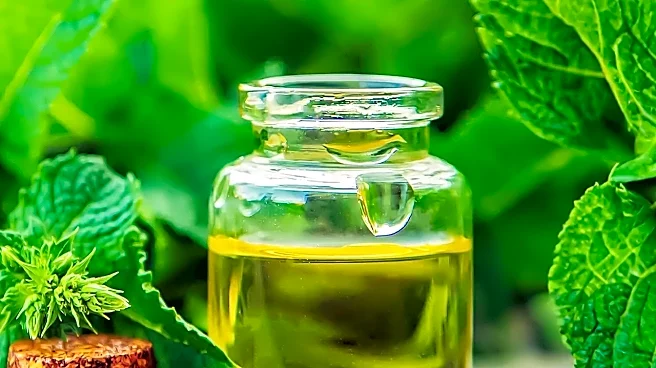
Peppermint essential oil is known for its refreshing scent and a distinct cooling, tingling sensation. That feeling comes from its main active compound, menthol. When applied to the scalp, menthol acts as a vasodilator, meaning it can help widen blood
vessels. The theory is that this increased blood flow can improve circulation to hair follicles, delivering more oxygen and nutrients that are essential for a healthy growth phase. While human studies are still limited, one key animal study from 2014 found that a 3% peppermint oil solution showed more prominent hair growth effects in mice than even minoxidil, a well-known hair loss treatment. The researchers concluded it may help induce the anagen, or active growth, phase of the hair cycle. However, it's important to remember this doesn't make it a guaranteed cure for hair loss, but rather a promising supportive treatment.
The Most Critical Step: Proper Dilution
Before you even think about applying it, know this: you should never put undiluted peppermint essential oil directly on your scalp. It's highly concentrated and can easily cause skin irritation, burning sensations, or rashes. The non-negotiable first step is to dilute it with a carrier oil. Carrier oils are gentler, plant-based oils that safely “carry” the essential oil onto your skin and provide their own moisturizing benefits. Excellent choices include jojoba, coconut, argan, or sweet almond oil. A safe and effective dilution ratio is key. A good starting point is to mix two to three drops of peppermint essential oil for every one tablespoon of your chosen carrier oil.
Your Peppermint Oil Scalp Ritual
Once your oil is safely diluted, you can begin the routine. First, perform a patch test by applying a small amount of the mixture to a discreet area of skin, like behind your ear, to check for any adverse reactions. If your skin is clear after 24 hours, you’re ready to proceed. Part your hair into several sections to ensure you can reach your entire scalp. Using your fingertips, apply the oil mixture directly to your scalp, not just your hair strands. Gently massage it in for two to five minutes using circular motions. This massage is a crucial part of the routine, as it helps stimulate the blood flow that the peppermint oil aims to enhance. Let the treatment sit for at least 15 to 20 minutes before washing your hair as usual with shampoo. Some users leave it on longer or even overnight, but starting with a shorter duration is wise to see how your scalp responds.
Finding the Right Frequency
Consistency is more important than intensity. Overdoing it with peppermint oil won't speed up results and can lead to irritation. For most people, incorporating this scalp treatment two to three times per week is an effective frequency. This allows your scalp to receive the benefits without becoming overwhelmed. Pay attention to how your scalp feels. If you notice any persistent itching or sensitivity, reduce the frequency or the concentration of peppermint oil in your mixture. Alternatively, some people prefer adding a few drops of peppermint oil directly into their shampoo or conditioner bottle—about five drops per ounce of product is a common recommendation—for a less intensive, more regular dose of its benefits.
What to Watch For and When to Stop
While generally safe when diluted, peppermint oil isn't for everyone. The tingling sensation is normal, but it shouldn't be painful or intensely uncomfortable. If the feeling becomes too strong, you should wash it out immediately. Potential side effects include skin irritation, rashes, or, in rare cases, allergic reactions. If you have sensitive skin or are prone to allergies, exercising extra caution is important. You should also avoid getting the oil near your eyes. It's advised not to use peppermint oil on the faces or skin of infants and young children, as inhaling the potent menthol can be harmful to them. If you experience any persistent negative reactions, discontinue use.