




The Age of Monsters and Jump Scares
Childhood horror is simple and direct. The fears are primal: the dark, strange noises, and the literal monster in the closet or under the bed. Movies and shows from our youth, like "Goosebumps" or early Tim Burton films, tap into these symbolic fears.
The antagonists are often non-human—ghosts, ghouls, or creatures—which allows for a safe distance. A study on media fright found that younger children are more afraid of symbolic, supernatural stimuli. You could cover your eyes until the scary part was over, a simple physical coping mechanism for a straightforward scare. The horror was about an external threat you could hopefully escape, providing a clear-cut sense of relief when the credits rolled.
Teenage Nightmares and Slasher Logic
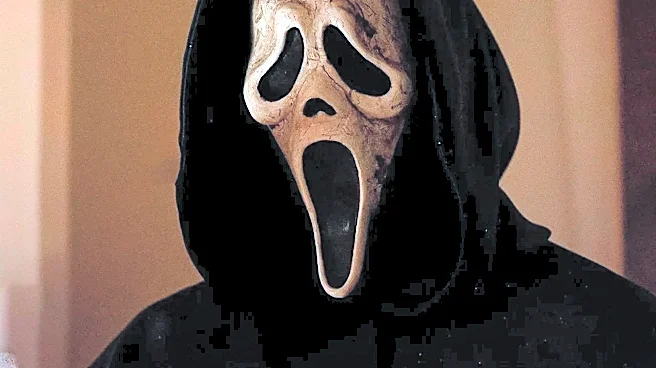
Adolescence introduces a new layer to fear. As we navigate the social horrors of high school, our movie tastes often graduate to slashers. Films like "Scream" and "I Know What You Did Last Summer" bring the danger closer to home, replacing supernatural monsters with human ones. This subgenre serves as a crucial bridge. The threats are more realistic—a masked killer is more plausible than a vampire—but they operate within a set of predictable rules and tropes. This structure provides a sense of order amid the chaos. The horror is less about a monster and more about survival, suspense, and the consequences of actions, mirroring the anxieties of gaining independence and navigating a world with real-life dangers.
When Real-Life Anxieties Take the Lead
Adult horror is where things get truly unsettling, because the monsters are often internal or woven into the fabric of everyday life. The fears are no longer about a creature in the dark, but about plausible, soul-crushing events: debilitating grief, the disintegration of a family, loss of sanity, or insidious societal evils. Films like "Hereditary," "The Babadook," and "Get Out" resonate with adults because they tap into anxieties about trauma, mental illness, and systemic oppression. There is no escape, because the horror is intertwined with the protagonists' reality. You can't just cover your eyes when the fear is rooted in a mother's grief or the slow-burn dread of a relationship unraveling.
From 'What If?' to 'This Is'
So why the change? It’s an evolution from fearing the impossible to confronting the uncomfortably possible. Childhood fears are speculative and fantastical. Adult fears are often reflections of our own lives and the anxieties that come with them: mortality, financial instability, and the well-being of our loved ones. Engaging with mature horror can be a form of emotional regulation and a way to process the chaos of the real world in a controlled environment. We watch a family crumble in "Hereditary" not just for the thrill, but to touch the edges of profound loss from a safe distance. As one's life experience and empathy grow, the on-screen violence can feel more meaningful and, for many, more disturbing than the slashers they enjoyed in their youth.