


The Great Graphic Fade-Out
Remember the peak of streetwear-driven fashion? It was a visual riot of screen-printed hoodies, all-over logo patterns, and jackets that served as walking billboards. To be seen was to be loud. But the pendulum of style always swings, and in Milan, the historic
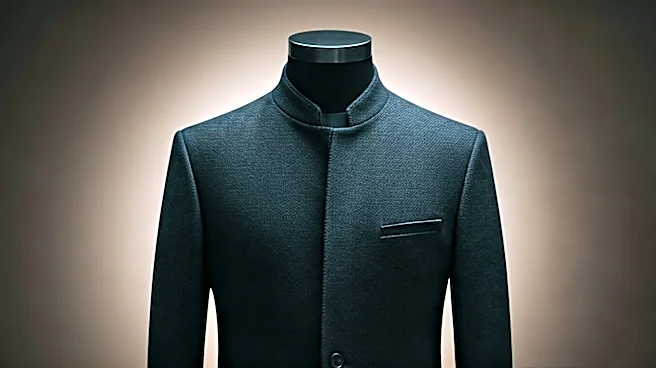
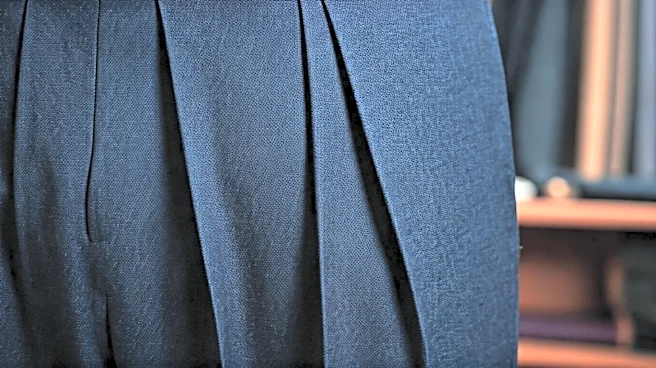
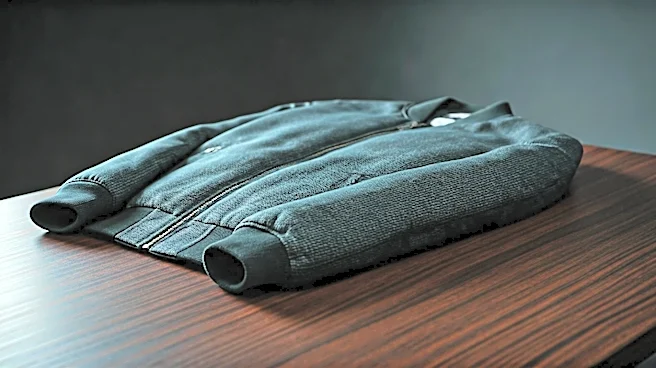
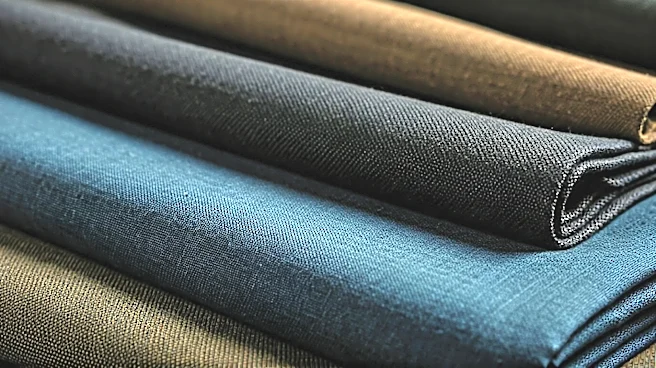
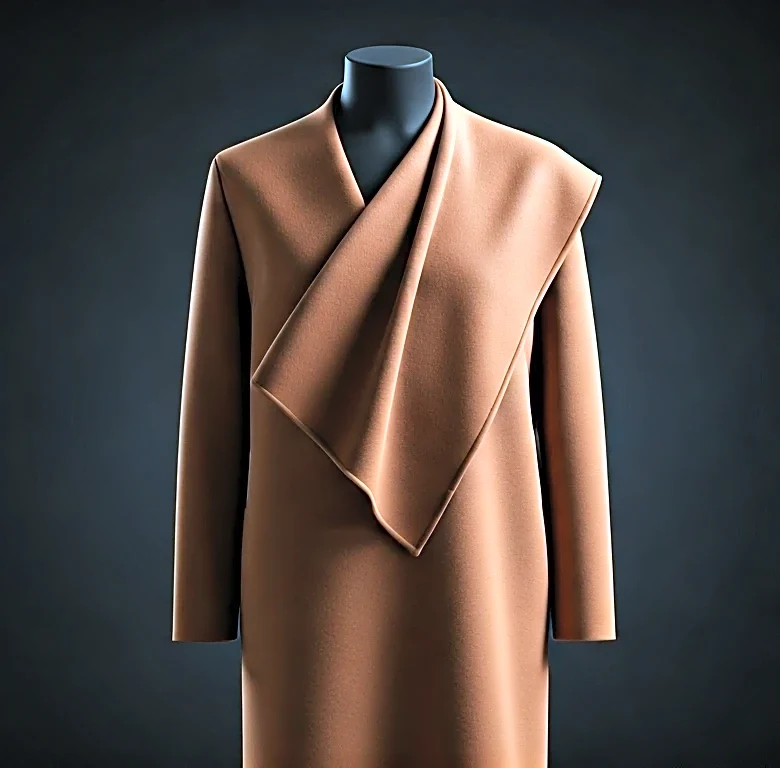
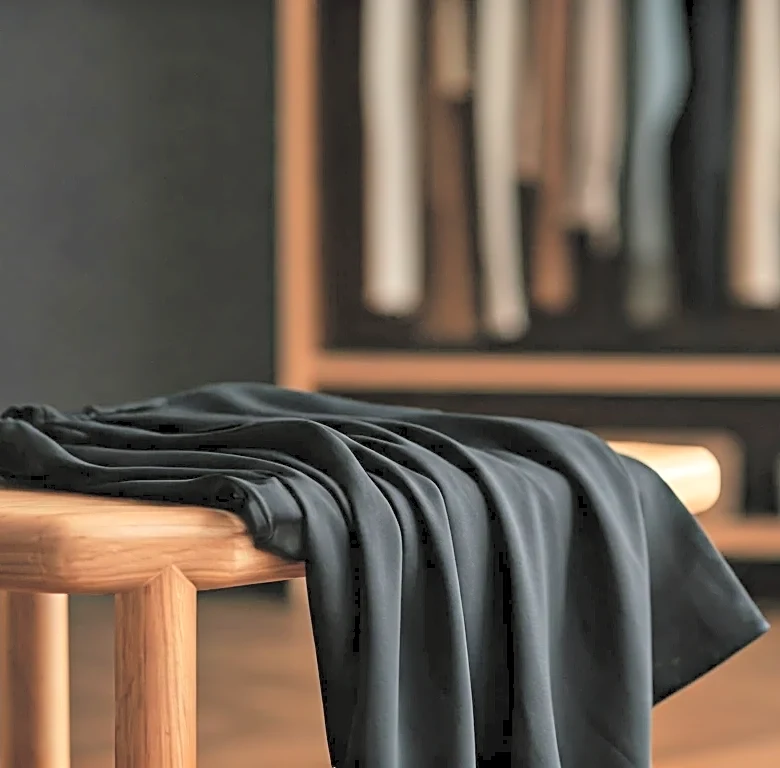
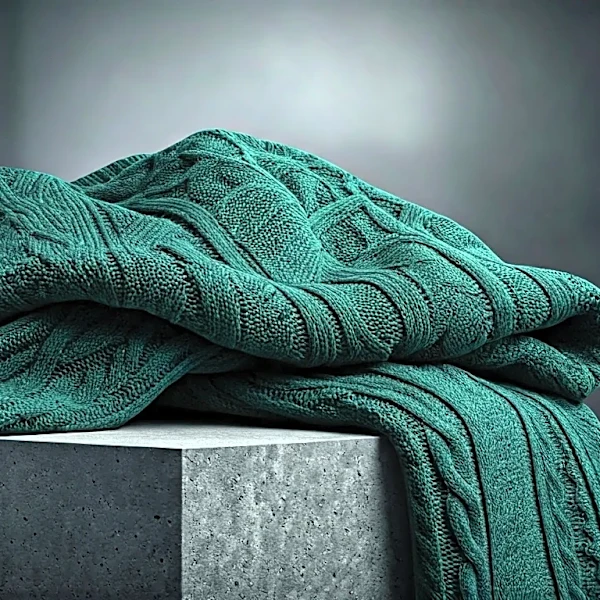
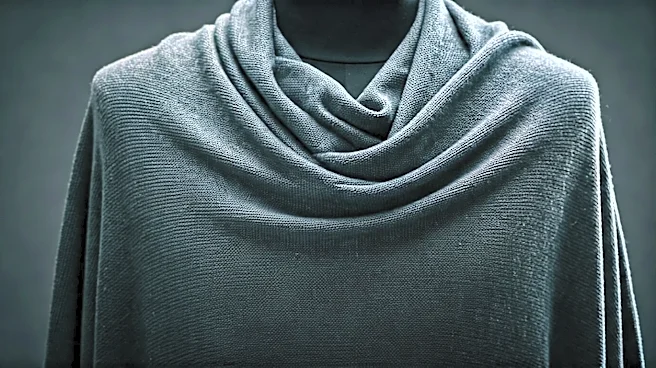
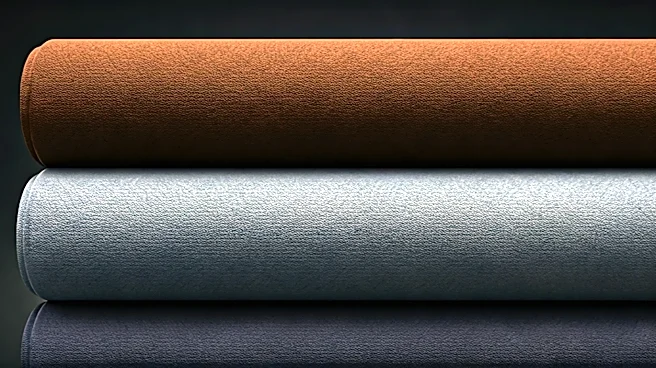
heart of Italian menswear, it’s swinging decisively toward something more subtle and personal. The latest collections presented a unified front, largely turning down the volume on graphic statements. In their place, designers have embraced a new protagonist: texture. It’s a move away from clothing that announces itself from across the room and toward garments that invite you to come closer, to look again, and maybe even to touch.
Speaking the Language of Touch
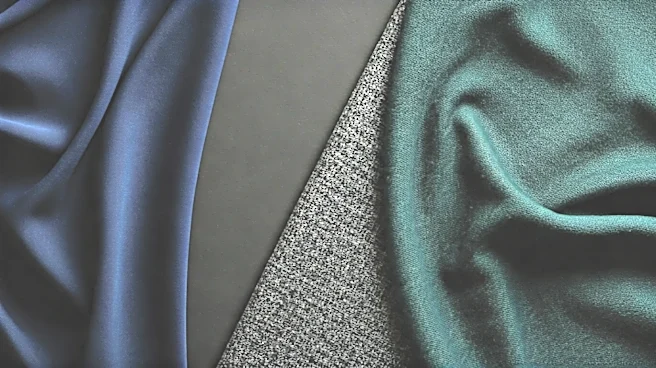
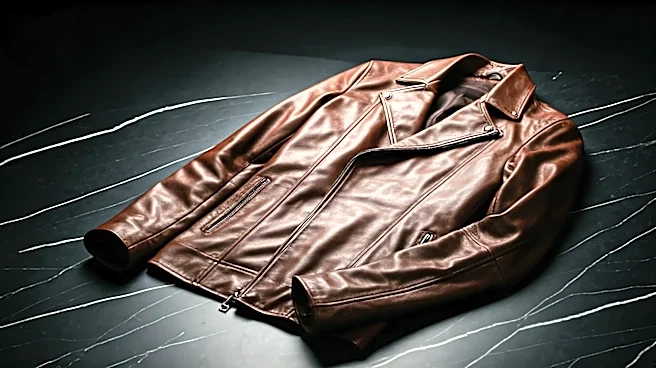
So, what does this textural takeover look like in practice? It’s a feast for the senses. At Zegna, a brand that has made material its core message, it’s about the impossibly soft and plush “Oasi Cashmere,” presented in deep, monochrome colors that let the fabric itself do all the talking. At Prada, Miuccia Prada and Raf Simons explored texture through imperfection—sweaters that looked intentionally pilled, jackets with distressed finishes, and collars that were artificially aged. This wasn't about looking worn-out; it was about creating a sense of history and life within the garment. Fendi, a master of furs and leathers, showcased shearling collars, fuzzy mohair cardigans, and intricately woven leather accessories. The common thread is a focus on surface interest. Whether it’s the rugged nap of a brushed wool, the subtle wrinkle of a silk-linen blend, or the high pile of a teddy-bear coat, the material is the pattern.
The Rise of 'Quiet Luxury'
This shift isn't happening in a vacuum. It’s the sartorial expression of “quiet luxury,” the cultural trend that favors understated quality over conspicuous branding. After years of logomania, consumers and designers alike seem to be seeking a more permanent, less trend-driven form of elegance. A bold print can feel dated within a season, but a beautifully crafted cashmere sweater is timeless. Texture is the ultimate stealth-wealth signal. It communicates expense and craftsmanship to those in the know, without needing a recognizable logo. A jacket made from a unique, slubby wool blend might not scream its price tag, but its weight, drape, and feel convey a sense of considered luxury that a simple printed logo cannot. It’s a return to the foundational principles of good clothing: material, cut, and construction.
More Than Just a Fuzzy Feeling
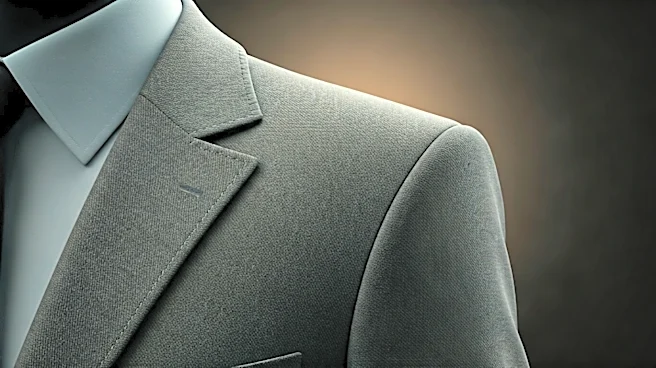
This new emphasis on texture is also deeply connected to our post-pandemic mindset. After a period of valuing comfort and security above all else, we’ve developed a deeper appreciation for the things that make us feel good. Tactile fabrics are inherently comforting. A soft knit, a fleecy collar, or a substantial, weighty coat provides a sense of protection and intimacy. This is clothing designed not just for how it looks in an Instagram photo, but for how it feels to wear throughout the day. Designers are creating a wardrobe that appeals to our emotional and sensory needs. It represents a more mature, introspective masculinity, one that finds confidence in substance rather than show. The new power suit might not have a pinstripe, but it might have a subtle herringbone weave you can only see up close.