






Beyond the Blockbuster Battle
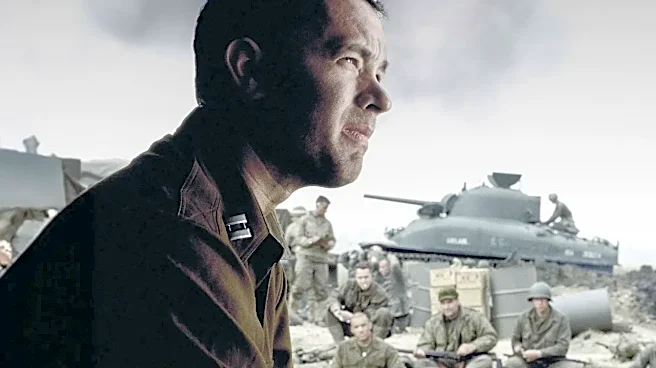
When you think of landmark war movies, titles like Saving Private Ryan likely come to mind—films that shocked audiences with their visceral, brutal depiction of combat. They were events, cinematic behemoths that captured the physical horror of war. But
running parallel to these epics was a quieter, more unsettling tradition. These were the “underrated” films, not because of a lack of quality, but because they refused to give audiences the catharsis of heroism. Films like Elem Klimov's Soviet masterpiece Come and See (1985) or Terrence Malick's philosophical The Thin Red Line (1998) weren't about winning a battle. They were about enduring an inescapable nightmare, often leaving viewers unsettled rather than inspired. This distinction is crucial. While blockbusters showed the external war, these films focused on the internal one, a shift that would ripple through cinema for years to come.
The Real War Was Psychological
So, what was the hidden reason these films were so influential? They traded spectacle for psychology. Instead of focusing on the mission, they zeroed in on the soldier's fraying sanity. The enemy wasn't just a foreign army; it was trauma, moral confusion, and the loss of self. Think of The Deer Hunter (1978), which dedicates much of its runtime to the lives of friends before and after Vietnam, framing the war as a psychological poison that corrupts everything it touches. Or consider Jarhead (2005), a film about the Gulf War where the primary conflict is the maddening boredom and anticipation of a battle that never truly arrives for its characters. These movies argue that the most profound wounds of war aren't physical. This focus on the mind—the way trauma rewires a person—offered filmmakers a new, more complex way to explore conflict that went far beyond battlefield heroics.
A Legacy of Moral Ambiguity
By turning inward, these films shattered the simple good-versus-evil narrative that defined earlier war movies. Propaganda films of the 1940s presented a clear moral universe, but the post-Vietnam era introduced a deep-seated skepticism that filmmakers began to explore. Films like Apocalypse Now (1979) presented war as a surreal descent into madness, where the lines between right and wrong dissolve completely. More recent movies about modern warfare, such as The Hurt Locker (2008) and Zero Dark Thirty (2012), continued this legacy. They portray characters who are not simple heroes but complicated, sometimes deeply flawed individuals grappling with morally ambiguous choices. The Hurt Locker’s protagonist seems more at home in the chaos of defusing bombs than in a grocery store, a haunting look at an addiction to the adrenaline of conflict itself. This shift forced audiences to confront uncomfortable questions about the nature of war and the people who fight it.
From the Battlefield to Every Genre
The influence of this psychological approach wasn't confined to the war genre. The DNA of these underrated films is everywhere. The lone, traumatized protagonist, the morally gray anti-hero, the story that prioritizes internal struggle over external plot—these are now staples of modern prestige television and cinema. The slow-burn tension and focus on a character's unraveling in a thriller, the existential dread in a sci-fi film, or the quiet desperation in a modern drama all owe a debt to the war films that dared to look past the explosions. They taught a generation of storytellers that the most compelling conflicts are the ones fought within. By making war a personal, psychological horror, they didn't just redefine a genre; they gave cinema a new language to explore the human condition in its most extreme state.