
The Sound of Brutal Grace
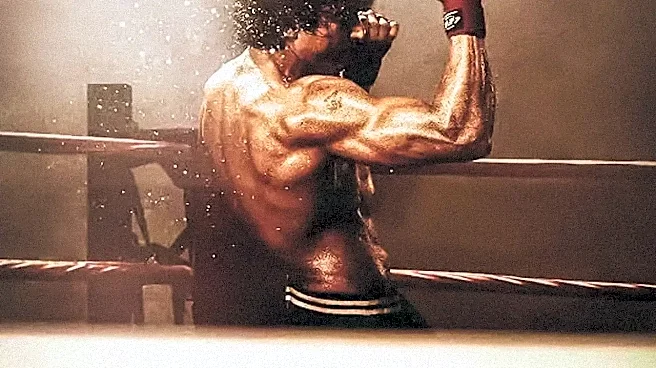
Picture it: Robert De Niro as Jake LaMotta, shadowboxing in slow motion. The ethereal, tragic strings of Pietro Mascagni's 'Cavalleria Rusticana' Intermezzo swell, elevating a brutal sport into something akin to ballet. This opening sequence is one of modern
cinema's most revered moments. Director Martin Scorsese is a master of the needle drop, using music not just as background, but as a core storytelling element. For Raging Bull, he and his team curated a soundscape of 1940s and 50s pop, jazz, and classical pieces that feel inseparable from the film's DNA. The music perfectly captures the world Jake LaMotta moved through, from big band hits in smoky clubs to the Italian opera that echoes his inner tragedy. But this celebrated soundtrack was actually Plan B.
A Different Vision Entirely
Initially, Scorsese's vision for the film's music was far more conventional, yet also chaotic. His first idea was to use no traditional score at all, relying solely on pop songs from the era. He even considered using the upbeat, lyrically dark tune "Stone Cold Dead in the Market" by Ella Fitzgerald and Louis Jordan as a potential theme, a choice that seems almost comically mismatched in retrospect. The alternate path, however, involved hiring a composer to write a dedicated, original score—a standard practice Scorsese largely avoided. While the name of a specific composer hired for this initial purpose remains elusive in production lore, the intent was clear: to give the film a traditional musical underpinning. This approach was ultimately abandoned in a moment of creative inspiration.
A Fateful Moment in the Edit Bay
The turning point came during the editing process. Scorsese, alongside his legendary editor Thelma Schoonmaker and producer Irwin Winkler, was struggling to find the right tone. As an experiment, they placed Mascagni's 'Cavalleria Rusticana' over the slow-motion opening credits. The effect was immediate and profound. The operatic piece, full of sorrow and grandeur, transformed the footage, giving LaMotta's lonely dance a sense of tragic destiny. It was a lightning-in-a-bottle moment. Scorsese later recalled that it just felt right, and the decision was made to abandon the idea of an original score or a purely pop-based soundtrack. The film had found its true musical voice, not in a newly composed theme, but in a piece of soaring 19th-century Italian opera.
Enter Robbie Robertson
With the new direction set, Scorsese turned to his friend and recent collaborator, Robbie Robertson of The Band. Fresh off their work together on the concert film The Last Waltz, Robertson was brought on as a music consultant, a role that quickly expanded. Scorsese described him as having an "encyclopedic knowledge of popular music." Robertson's task was twofold: help Scorsese select the perfect period-appropriate songs and create original source music—the tunes that play live within scenes, like in nightclubs. For this, Robertson enlisted his former Band-mates Garth Hudson and Richard Manuel, creating raw, authentic tracks like "Webster Hall" to seamlessly blend into the film's world. Robertson's input was crucial, helping to build the rich musical tapestry that defines the movie.
A Legacy Forged in Serendipity
The choice to use existing music over a traditional score ultimately defined Raging Bull's legacy. The juxtaposition of violent, gritty realism with sublime opera and nostalgic pop created a powerful emotional dissonance. It’s hard to imagine the film having the same impact with a conventional score underlining every punch and argument. The curated soundtrack provides context, irony, and a haunting sense of time and place that a new score might have overwritten. This creative pivot showcases the magic of filmmaking, where an inspired accident in the editing room can lead to an artistic choice that resonates for decades. It wasn't the original plan, but it was undoubtedly the right one.