






An Idea Born from Conversation
The concept for the London Film Festival (LFF) was sparked in 1953 over dinner at the home of Dilys Powell, the influential film critic for The Sunday Times. Guests, including British Film Institute (BFI) director James Quinn, lamented that a global city
like London lacked a major film festival on par with Cannes or Venice. Taking the idea to heart, Quinn and the BFI established the festival, launching the first edition in October 1957. It opened just one day after Princess Margaret inaugurated the National Film Theatre, the BFI's new cinema on London's Southbank, which remains its home base. The first-ever film shown was Akira Kurosawa’s 'Throne of Blood'.
The 'Festival of Festivals' Niche
From its inception, the LFF wasn't designed to compete for world premieres. Instead, it was conceived as a 'festival of festivals'. Its purpose was to give UK audiences a chance to see the best films that had already won acclaim at other international festivals. The inaugural event screened just 15 films, including works from legendary directors like Ingmar Bergman, Federico Fellini, and Satyajit Ray. For decades, this curated approach was its defining feature. It was a public-facing event focused on discovery, bringing global cinema to Londoners that they might not otherwise get to see. For many years, it didn't even have a competitive strand, solidifying its identity as a showcase rather than a contest.
Finding Its Place in a Crowded Autumn
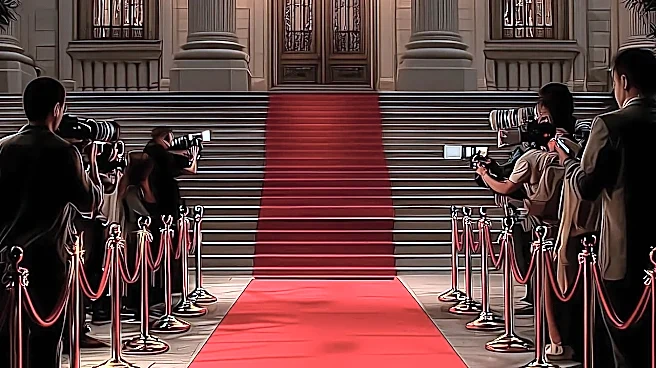
The festival's October timing places it directly after the powerhouse trio of Venice, Telluride, and Toronto—festivals that often dominate the start of awards season buzz. Rather than being a disadvantage, LFF strategically turned its calendar position into a strength. It became the UK's premier platform for the most talked-about films from that circuit, building anticipation for their British release. While still primarily a festival for the public, its industry profile began to grow significantly. Over the years, it expanded beyond the Southbank to venues across London and the UK, adding gala screenings and red-carpet events that attracted more stars and media attention.
Evolving into an Awards Season Player
A major shift occurred in the 21st century as the festival leaned more into its role as an awards season launchpad. In 2003, it was officially rebranded as the BFI London Film Festival. A significant transformation came in 2009 with the introduction of a formal awards ceremony and a Best Film competition. This move helped raise the festival's international profile, signaling its ambition to be more than just a public showcase. Winning at the LFF can now provide a crucial boost for films heading into the BAFTAs and Oscars. While it has grown to screen hundreds of films annually, the programming is now structured into thematic strands like 'Love', 'Debate', and 'Thrill' to help audiences navigate the vast selection, maintaining its accessibility even as its industry clout has soared.