



The Original's Rock-Solid Foundation
Before a studio invests in a remake, it starts with a proven winner. The 2016 animated film Moana is a perfect example. The movie grossed over $680 million worldwide on a production budget estimated around $150-$175 million. It was a critical and commercial
smash, embedding itself in the cultural consciousness with a beloved hero, a charismatic co-star in Dwayne Johnson's Maui, and an Oscar-nominated song, "How Far I'll Go." This initial success is the bedrock of the entire remake strategy. It establishes a massive, multi-generational fan base that significantly lowers the marketing risk for a new film. The audience already knows and loves the characters, which is a priceless advantage in a crowded market.
The High-Stakes Remake Gamble
Recreating these worlds isn't cheap. Disney’s live-action remakes have production budgets that often soar past $200 million. For the Moana remake, reports suggest a budget in the $200-$250 million range. That's a staggering figure before a single dollar is spent on marketing, which can often equal half the production budget. So why take such a massive financial risk on something you've already made? Because the potential reward isn't just big; it's astronomical. Top-tier remakes like The Lion King (2019) and Beauty and the Beast (2017) each sailed past $1.2 billion in global box office receipts, proving the model's incredible power when it connects with audiences.
It's Not Just About Box Office
Here's the real secret to the math: the theatrical run is only one piece of a much larger financial puzzle. The true goal is to re-ignite an entire franchise ecosystem. A successful remake breathes new life into everything associated with the brand. This concept, known as ancillary revenue, is where the bulk of the long-term profit lies. We're talking about new lines of toys and apparel, renewed interest in the original animated film on Disney+, new attractions at theme parks, and new musical cast recordings. Each stream feeds the others. The movie acts as a two-hour commercial for the merchandise, the streaming library, and the theme park, ensuring the intellectual property (IP) remains a top earner for decades.
Nostalgia, New Tech, and New Audiences
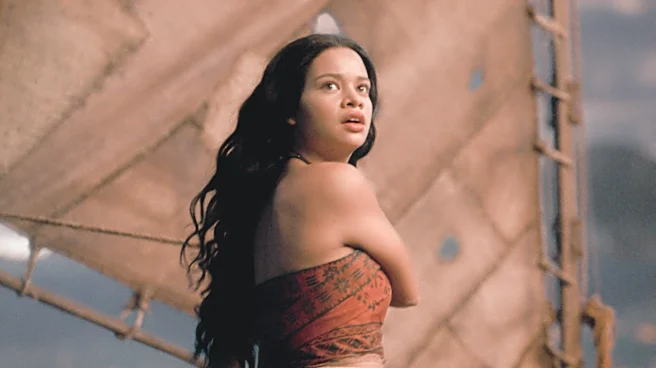
The business model masterfully targets two distinct audiences simultaneously. For adults who grew up with the original, it's a powerful dose of nostalgia, offering a chance to share a beloved story with their own children. For the kids, it’s an entirely new adventure. The live-action format, with its cutting-edge CGI and big-name stars, presents the story as a premier event. In the case of Moana, the return of Dwayne Johnson—a global superstar in his own right—acts as a massive insurance policy, bridging the gap between the animated original and the new production. This dual-audience appeal creates a family-centric event that's hard for other original films to compete with.
The Risk of Diminishing Returns
Despite the compelling math, the strategy isn't foolproof. Audience fatigue is a real concern, and not every remake has been a slam dunk. Some, like Dumbo, underperformed, while others received lukewarm critical receptions. The live-action Moana, releasing just ten years after the original, is testing the limits of how soon is too soon. Early tracking and reviews for the 2026 film have been softer than expected, showing that even with a beloved property, success isn't guaranteed if audiences feel they're being served a carbon copy. The challenge is to make the film feel both comfortingly familiar and excitingly new—a balancing act that determines whether the box office math adds up to a billion-dollar hit or a costly miscalculation.