



The Multiverse of Representation
The night's biggest story was the absolute dominance of Everything Everywhere All at Once. Its seven wins, including Best Picture, felt like a political act. For years, the Academy has faced criticism for a lack of diversity. This film, centered on a Chinese-American
immigrant family, wasn't just a token nominee; it was a juggernaut. Michelle Yeoh became the first Asian woman to win Best Actress, a landmark moment for an industry that has long overlooked Asian performers. Ke Huy Quan's emotional win for Best Supporting Actor, after decades away from the screen, was a powerful narrative of resilience and a critique of an industry that had no roles for him. The film's success was a seismic event, signaling a powerful demand for authentic, multicultural stories and proving they could be both critically acclaimed and commercially successful.
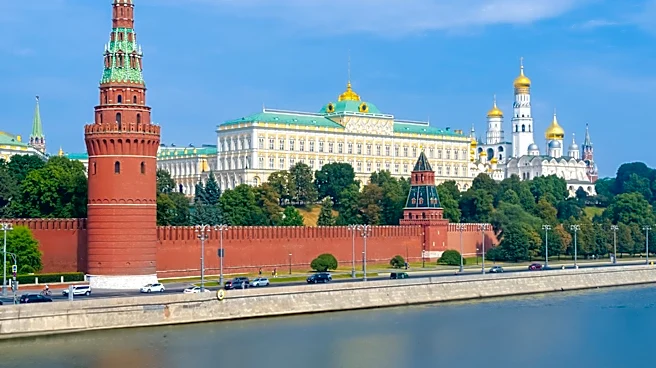
A Direct Message to the Kremlin
The most overtly political moment of the ceremony was the win for Navalny as Best Documentary Feature. The film chronicles the investigation into the poisoning of Russian opposition leader Alexei Navalny. Director Daniel Roher used his speech to condemn Vladimir Putin and the war in Ukraine. The moment was made even more powerful by the presence of Navalny's wife, Yulia Navalnaya, on stage. Her speech, addressed to her imprisoned husband, was a raw and defiant plea for his freedom and a message to the world about the stakes of the fight against authoritarianism. In a room celebrating fiction, it was a stark and sobering reminder of real-world courage and tyranny.
The Ghost of the Slap
While new political statements were being made, the Academy was still dealing with the fallout from the old ones. Host Jimmy Kimmel was tasked with navigating the aftermath of Will Smith slapping Chris Rock the previous year. His monologue was filled with jokes about the incident, both to lance the tension and to reassert control. He quipped that anyone committing violence would be awarded Best Actor and a 19-minute speech, a direct jab at Smith. The Academy even instituted a new "crisis team" for the event. This focus on control was its own political statement: an institution trying to prove it could police itself and protect the sanctity of its brand after a moment of profound vulnerability.
The Somber Echo of War
The success of Germany's All Quiet on the Western Front provided a thematic echo to Navalny's win. The film, which won four Oscars including Best International Feature, is a brutal and visceral anti-war epic. Its depiction of the senseless slaughter of World War I felt unnervingly relevant with a major land war raging in Europe. Unlike many Hollywood war films that glorify heroism, this adaptation of Erich Maria Remarque's novel focuses on the futility and horror of conflict. Its success suggested a global weariness with war and a desire for art that confronts its grim reality rather than sanitizing it for entertainment.
The Quiet Victories
Beyond the major headlines, smaller moments carried political weight. Sarah Polley, winning Best Adapted Screenplay for Women Talking, cheekily thanked the Academy for "not being mortally offended by the words 'women' and 'talking' being so close together." It was a pointed remark in a year where no women were nominated for Best Director. Her speech celebrated the film's theme of democratic dialogue and listening as a way to build a better future. These moments, combined with the larger wins of the night, painted a picture of an industry grappling with its own power structures and its role in reflecting a world in constant flux. The 2023 Oscars tried to be a quiet, orderly affair, but its choices spoke volumes.