







First, What Is a High Press?
In soccer, “pressing” is the act of putting pressure on the opposing player who has the ball, hoping to force a turnover. A “high press” is simply doing this far up the field, or “high” in the opponent’s defensive territory. Instead of retreating into
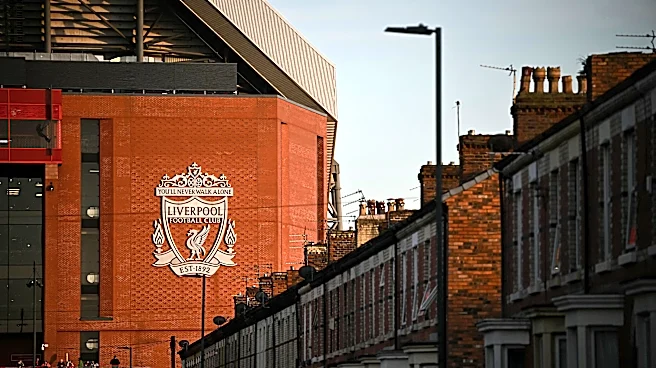
a defensive shell and letting the other team advance, a pressing team pushes forward when they lose possession. The goal isn’t just to defend; it’s to attack while defending. The idea is to win the ball back as close to the opponent's goal as possible, creating a short, direct path for a scoring opportunity before the defense can get organized. Teams like Liverpool under Jürgen Klopp or Manchester City under Pep Guardiola have turned this into a devastating art form. It’s not just mindless running; it’s a coordinated, triggered system where one player’s pressure signals others to close passing lanes and hunt the ball down as a pack.
Now, Let’s Talk Basketball Traps
Think back to Rick Pitino’s Kentucky teams in the ‘90s or any time an NBA team is desperate for a late-game steal. They implement a full-court press or a half-court trap. The principle is identical: instead of giving the offense space to operate, you aggressively challenge the ball handler. The “trap” is the key moment. Two defenders sprint to corner the player with the ball, typically near the sideline or a corner of the court. The sideline acts as a third defender. The ball handler, now suffocated by multiple bodies and with limited space, has their vision obscured and their passing options choked off. The defense is betting they can force a panicked, errant pass, a five-second violation, or a steal. It’s a proactive, high-risk defensive gamble designed to dictate the terms of engagement.
The Shared DNA: Shrinking Space and Inducing Panic
This is where the two tactics feel like spiritual cousins. Both the high press and the basketball trap are fundamentally about manipulating space and time. They weaponize geometry. In both sports, the sideline is your best friend; it’s an immovable defender that can’t be beaten. The objective is to steer the opponent toward this boundary, cut the playing area in half, and then overwhelm them with superior numbers at the point of attack. The immediate goal is the turnover, but the psychological goal is just as important: to induce panic. A player facing a well-executed press or trap has seconds, maybe fractions of a second, to make a decision. The defense is trying to overload their brain, forcing them to deviate from their practiced, comfortable patterns and into a rushed, instinctual, and often incorrect action. The feeling of suffocation is the entire point.
The High-Wire Act of Risk vs. Reward
The other reason the analogy works so well is that both tactics are incredibly risky. They are a high-wire act without a net. If a single player in a soccer press fails to do their job—doesn't rotate, presses at the wrong time, or is easily beaten—the entire system can collapse. One simple, clever pass can unlock acres of open green grass behind the pressing line, leaving the defense exposed to a dangerous counter-attack. It’s the same in basketball. If the offense manages to pass out of the trap, they suddenly have a 4-on-3 or 3-on-2 advantage heading toward the basket for an easy layup or an open three. This is why watching these systems is so thrilling. You’re not just watching a team defend; you’re watching them gamble, and every possession holds the potential for either a spectacular success or a catastrophic failure.