





The Myth of Off-the-Cuff Charm
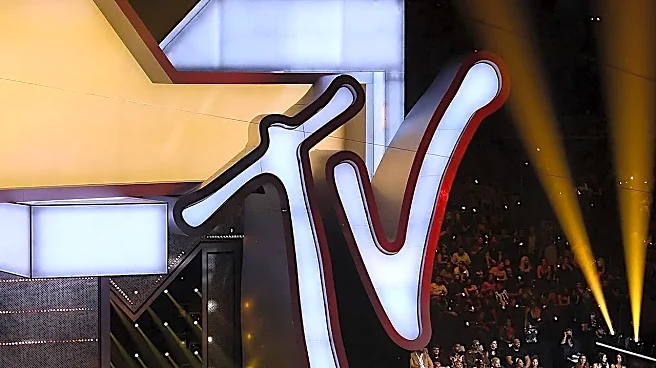
When two celebrities walk onto the VMA stage and share a laugh over a supposedly improvised joke, it feels like a genuine, chaotic moment—exactly what the show is famous for. Viewers lean in, anticipating a viral incident or a refreshingly candid interaction.
This illusion of spontaneity is carefully crafted. While the VMAs certainly have a history of unscripted drama, the majority of the dialogue you hear, especially the quick back-and-forth between presenters, is anything but accidental. It's the product of a finely tuned machine that leaves almost nothing to chance, all in the service of keeping the broadcast moving at a relentless pace.
It Starts in a Writer's Room
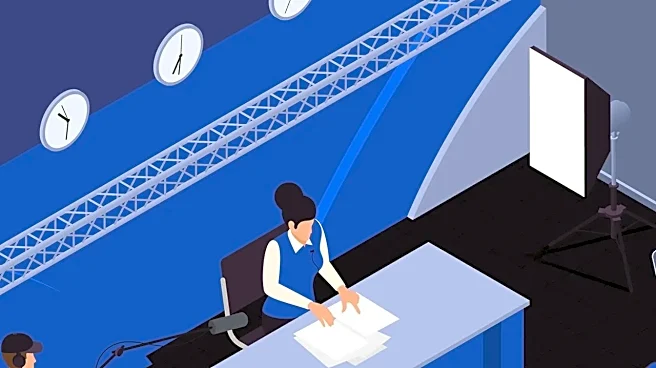
Long before the first celebrity hits the red carpet, a team of comedy and television writers is hired to script the show. Their job is to craft the host’s monologue, the presenters' introductions, and, most importantly, the banter. These writers work to match jokes to the specific personas of the stars who will deliver them, creating dialogue that sounds natural and effortless. The goal isn't to create a stiff, theatrical script, but to produce lines that give the illusion of being thought up on the spot. Presenters get their lines in advance, rehearse them, and work with the production team to nail the timing and delivery, ensuring the banter lands with the intended mix of humor and personality.
The All-Seeing Teleprompter
The most crucial tool for keeping the show on script is the teleprompter. While most people associate them with acceptance speeches or news anchors, they are essential for presenter banter. These devices—often large screens positioned out of the television camera's view or subtle glass panes near the podium—display the pre-written dialogue for the presenters to read. This allows them to maintain eye contact with the audience and each other, creating a conversational feel even as they read every word. An operator scrolls the text at the natural speed of their speech, making it appear seamless. If you ever see a presenter's eyes subtly shift to a fixed point off-camera, you’re likely seeing the teleprompter in action.
The Stage Manager as Timekeeper
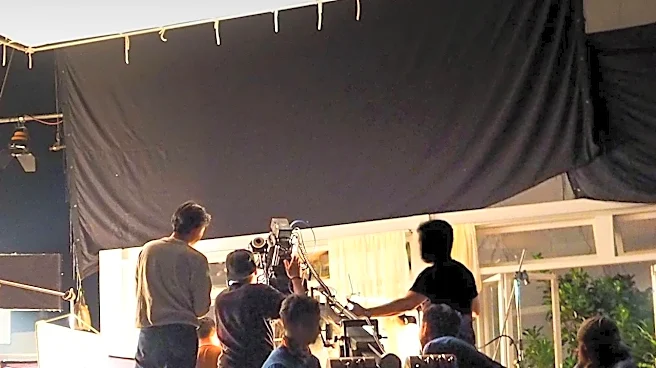
While writers and prompters handle the words, the real-time enforcement of brevity falls to the stage manager. This person is the unseen commander of the show, communicating with presenters and crew through earpieces and off-stage signals. They are responsible for keeping every single segment on schedule, down to the second. When a winner's acceptance speech runs long, it's the stage manager who cues the orchestra to play them off. When presenters are on stage, the stage manager ensures they hit their marks and deliver their lines within the allotted time. Their job is to be the human clock, protecting the broadcast from costly overruns.
Why Every Second Counts
The ultimate reason for this strict control is simple: money and time. A live broadcast like the VMAs has a fixed runtime dictated by the network and commercial breaks sold for enormous sums. Every minute the show runs over can have a domino effect, disrupting network schedules and costing the production a fortune. The entire apparatus—the writers, the teleprompters, the stage managers—is a professional system designed to deliver a product that feels wild and unpredictable while being, in reality, a meticulously choreographed and timed event. The banter is kept short not just for pacing, but because in live television, time is the most valuable commodity of all.