





The Psychology of Twelve Yards
A penalty kick during a match is one thing; a shootout is another beast entirely. Research shows that while players convert around 85% of penalties in regular time, that number drops significantly in a shootout. The reason is pure psychology. Studies
have found that players who have to score to keep their team in the tournament convert less than 60% of the time, whereas those taking a kick to win it all succeed over 90% of the time. It’s the fear of loss, a concept psychologists call “loss aversion,” that weighs more heavily than the desire for glory. The pressure becomes all-consuming, a mental battle where superstars can suddenly look unnervingly human. The focus shifts from the simple act of scoring to the overwhelming thought of not wanting to be the one who misses.
The Ghost of Pasadena
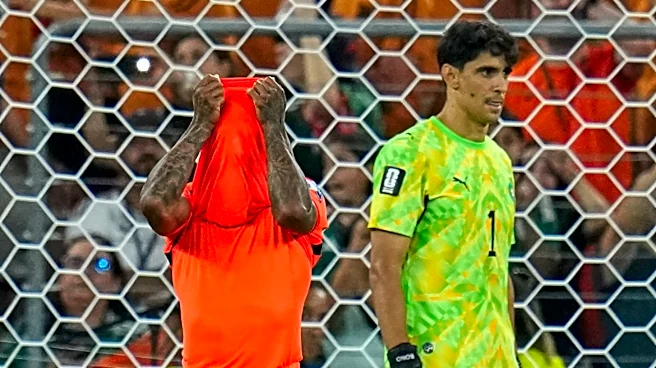
No player embodies this cruel turn of fate more than Roberto Baggio. The Italian forward, known as “Il Divin Codino” (The Divine Ponytail), was the hero of the 1994 World Cup, single-handedly dragging his team to the final against Brazil with a series of brilliant goals. He was Italy's talisman, their savior. But after a tense 0-0 draw, the final went to penalties for the first time in history. When Baggio stepped up, Italy needed him to score to stay alive. He skied his shot over the crossbar, and in an instant, the hero became the tragic figure of the tournament. The image of him standing, head bowed in disbelief, became an iconic symbol of sporting heartbreak. “It affected me for years,” Baggio later wrote in his autobiography. “If I could erase a moment from my career, it would be that one.” For many, that single miss unfairly overshadowed a magnificent career.
England’s Generational Scars
For England, the penalty shootout is a source of national trauma, and Gareth Southgate was once its unwilling poster boy. At the Euro 1996 semifinal, held on home soil, Southgate’s penalty was saved, and Germany went on to the final. The miss followed him for decades; years later, on vacation in Bali, a monk recognized him not just by name, but by his failure: “You Gareth Southgate,” the monk said, “You England penalty drama.” That moment of personal failure, however, later informed his empathetic management style. When his young players—Jadon Sancho, Marcus Rashford, and Bukayo Saka—missed in the Euro 2020 final, Southgate was the first to console them, having walked in their shoes. The misses unfortunately led to abhorrent racist abuse online, showing the ugliest side of what happens when hero-worship turns to blame.
The Modern Burden
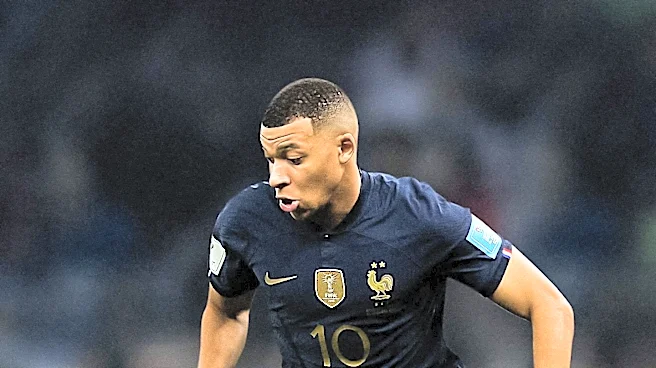
Even the brightest modern stars are not immune. At Euro 2020, French superstar Kylian Mbappé, a world champion at 19, saw his decisive penalty saved against Switzerland, sending the tournament favorites crashing out. The then-22-year-old was so distraught by the miss and subsequent criticism that he considered stepping away from the national team. For USWNT icon Megan Rapinoe, her missed penalty in the 2023 World Cup shootout against Sweden, her final act in an illustrious international career, was a moment of what she called “dark comedy.” It proved that no amount of experience or past glory can fully insulate a player from the unique, agonizing pressure of the penalty spot. It remains football’s ultimate crucible, where even the greatest players are forced to confront the fine line between immortality and infamy.