
The Setting is the Star
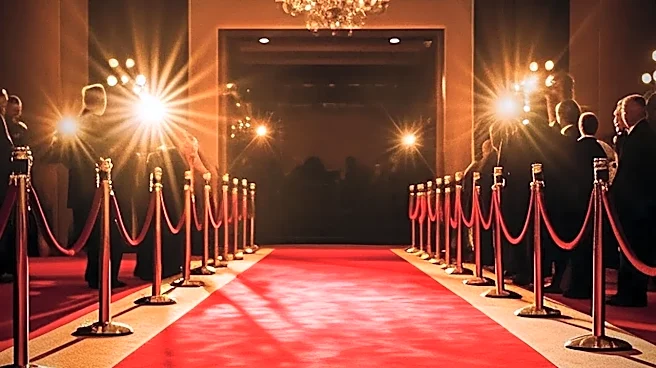
First, consider the geography. An awards show like the Oscars takes place in the highly controlled, almost sterile environment of a Los Angeles theater. Celebrities arrive via a closed-off street and walk a carpet flanked by a wall of photographers. In
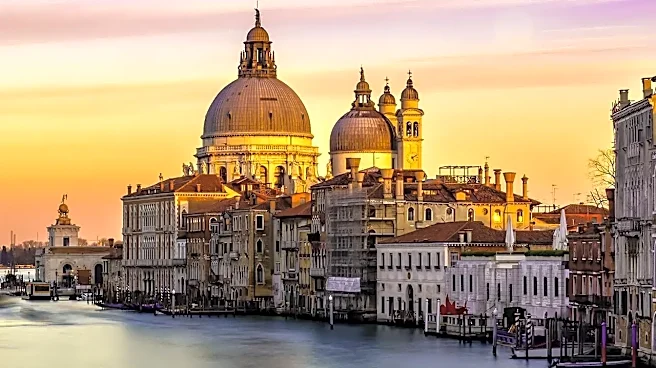
Venice, the entire city is the set. Stars arrive by water taxi, creating iconic, cinematic photo opportunities against the backdrop of historic canals long before they ever set foot on the red carpet. This infuses the entire event with a sense of romance and old-world glamour that a Hollywood boulevard simply can't replicate. The daytime looks—elegant dresses, linen suits, and sunglasses—get as much attention as the evening gowns, creating a narrative of lived-in style rather than a single, high-pressure red carpet moment.
Art-House Energy vs. Oscar Campaigns
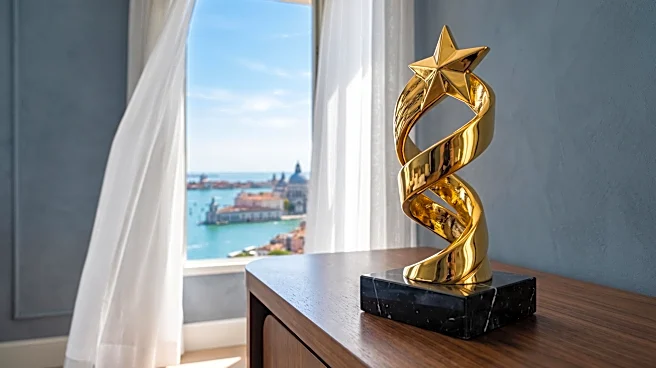
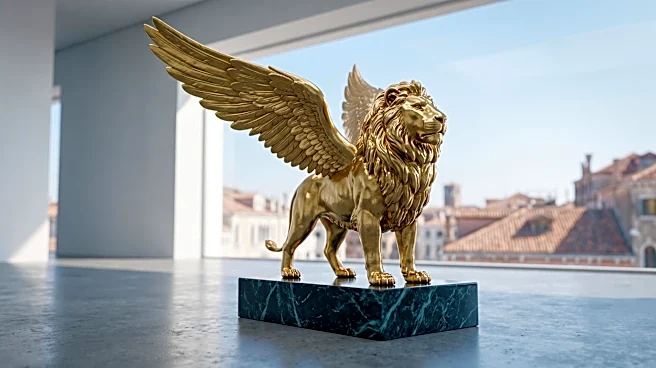
The Venice Film Festival is, at its heart, a festival for cinephiles. It has a long history of celebrating international and art-house cinema, and its top prize, the Golden Lion, is one of the most prestigious honors in film. This artistic focus changes the fashion equation. Unlike the Oscars, which is the final, high-stakes battle of a months-long, multi-million-dollar awards campaign, Venice is more of a launching pad. The atmosphere is less judgmental, allowing for more playfulness and experimentation. Stars and stylists feel a greater freedom to take risks, choose avant-garde pieces, or support emerging designers because the goal is less about playing it safe for a potential nomination and more about making a personal, artistic statement.
A Red Carpet Runway
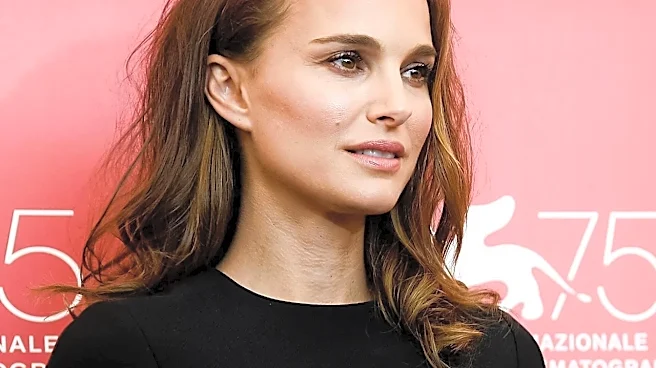
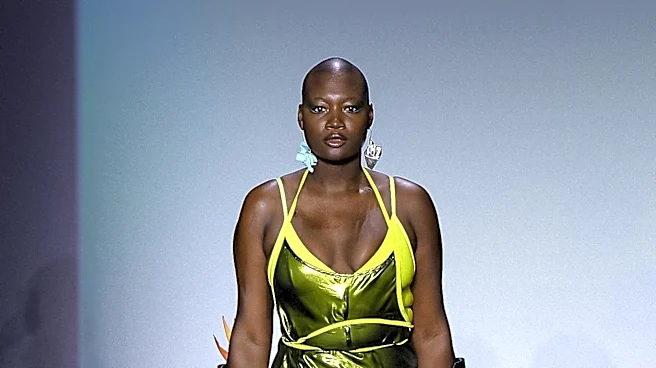
Timing is everything. The festival’s early September slot places it just before the major fashion weeks in New York, London, Milan, and Paris. This unique positioning has turned the Venice red carpet into a de facto runway. Major fashion houses, especially those with new creative directors, often use the festival to “soft launch” key looks from their upcoming collections. Instead of waiting for a controlled runway show, brands get to see their designs on a global celebrity in a real-world, high-glamour context. This makes Venice a critical preview of the season's aesthetic, where the choices feel like genuine personal endorsements rather than just brand obligations.
The Italian Sensibility
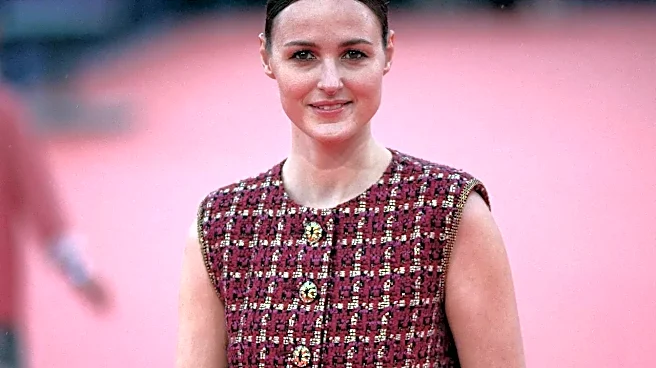
You can’t talk about Venice without talking about the powerhouse Italian fashion houses. Brands like Armani, Valentino, Prada, and Versace have a home-field advantage, and their distinctly Italian sensibility—a blend of drama, romance, and impeccable craftsmanship—defines much of the festival's style. There is a powerful connection between Italian cinema, culture, and fashion that is on full display. This gives the Venice red carpet a different dialect than its American counterparts. While Hollywood glamour is often about polished perfection, Venetian style embraces a more relaxed, yet equally dramatic, approach that feels both timeless and modern.