

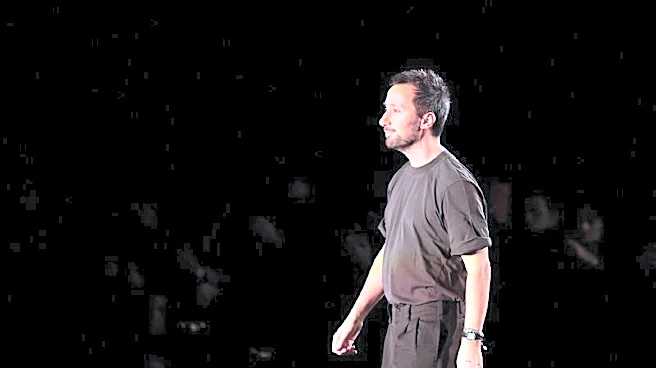
The High Cost of 15 Minutes of Fame
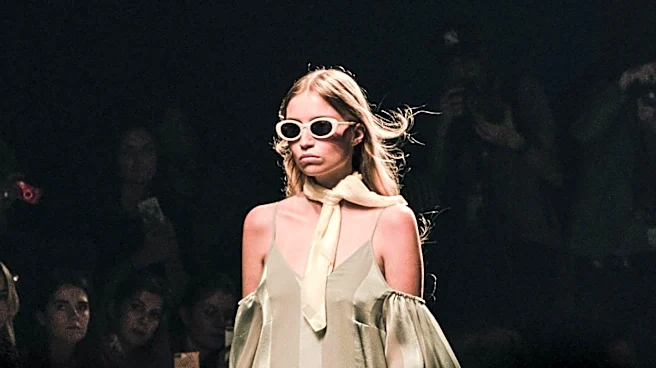
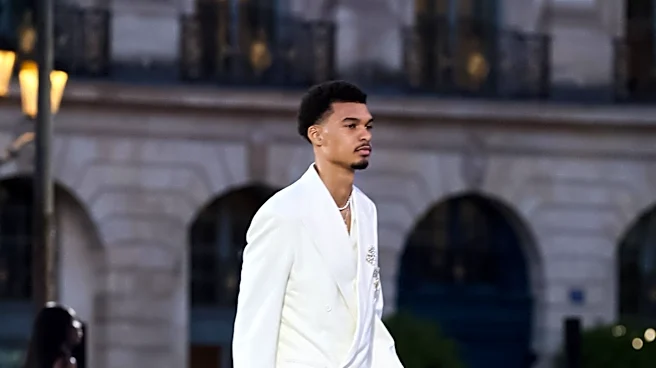
A full-scale runway show is one of the most potent marketing tools in fashion, capable of creating iconic moments and catapulting a collection into the cultural conversation. It’s a performance, a statement, and a declaration of a brand's vision. But
that performance comes at a staggering price. A basic show at New York Fashion Week can easily cost a minimum of $200,000 for a 10 to 15-minute event. That figure covers essentials like venue rental, production, lighting, and model fees. For major houses like Chanel or Marc Jacobs, that number balloons into the millions, funding elaborate sets and A-list talent. For emerging and mid-tier designers, this six-figure gamble on visibility is becoming increasingly hard to justify, forcing them to question if the return on investment is truly there when the goal is to sell clothes, not just create buzz.
The Quiet Power of the Showroom
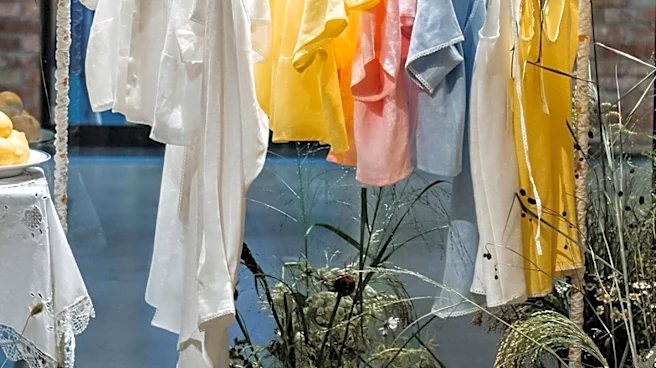
Enter the private appointment. Instead of a massive, public-facing event, designers host key individuals—top editors and, most importantly, retail buyers—in a controlled, intimate setting like a showroom or a hotel suite. Here, away from the chaos of the runway, the real work gets done. A runway show generates desire, but the showroom is where the deals are actually closed. In these meetings, a buyer from a major department store or a curated boutique can see the collection up close, feel the fabrics, and inspect the craftsmanship. This tactile, unhurried experience is something a fast-paced runway show simply cannot offer. The focus shifts from theatrical presentation to the product itself, allowing for a deeper, more practical understanding of the collection.
Building Relationships, Not Just Buzz
The single greatest advantage of private appointments is the quality of the interaction. In a showroom, a designer has the undivided attention of the most important people for their business. They can personally walk a buyer through each piece, explaining the story behind a print, the complexity of a silhouette, or the reasoning for a specific fabric choice. This direct conversation builds a relationship founded on mutual respect and understanding. Buyers, in turn, can give immediate feedback and ask detailed questions about pricing, materials, and production timelines. These are the commercial conversations that lead to orders. A buyer for a luxury retailer is responsible for a massive budget and needs to be confident that a collection will resonate with their specific customer base. An intimate appointment provides that confidence far more effectively than a fleeting look on a runway.
Control Over the Narrative and the Sale
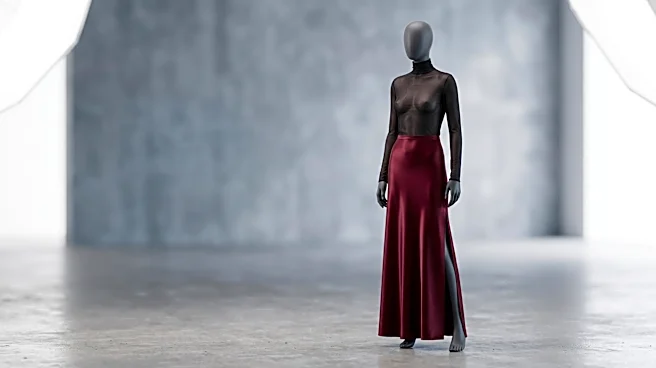
In a private appointment, the designer controls everything: the pace, the lighting, and the story. There are no distractions, no bad photos from a guest’s smartphone, and no risk of being overshadowed by a bigger show happening at the same time. This controlled environment ensures the collection is seen exactly as intended. It also allows for a more strategic and personalized sales approach. For instance, a stylist can prepare a curated selection in advance based on a client's known preferences. This level of personalization dramatically increases the likelihood of a sale; some retailers report that customers in personal shopping appointments spend up to four times more than the average transaction. By removing the pressure of a public setting, designers create a space where buyers can make considered, strategic decisions, leading to larger, more thoughtful orders that align with the brand's identity.