
The Pop-Up Power Grid
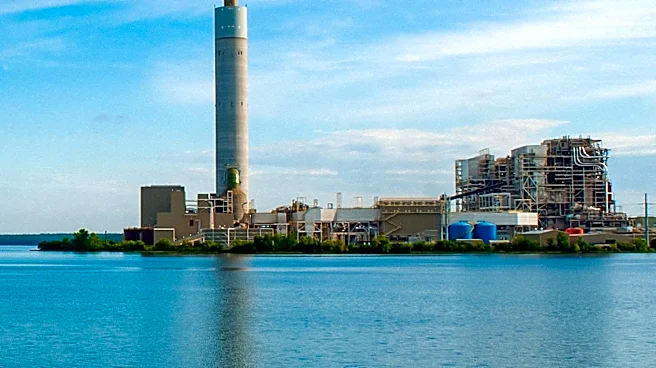
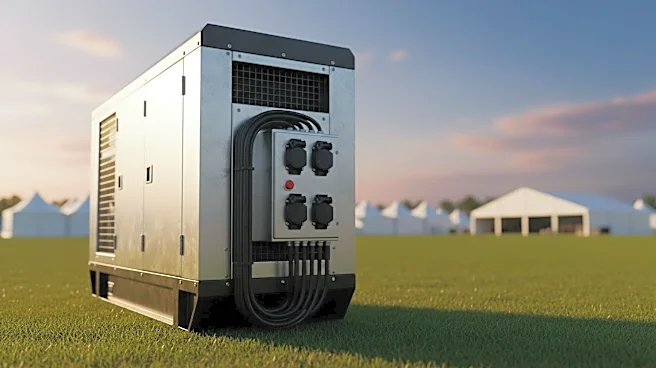
Every thumping speaker, glowing art installation, and food vendor's cash register runs on electricity. Festivals are often built on empty fields, requiring organizers to construct a private, temporary
power grid from scratch. This involves massive generators, miles of heavy-duty cables, and a team of engineers who act as the event's private utility company. They balance massive power loads—ensuring the headliner's pyrotechnics don't knock out the medical tent's refrigerators—and have backup systems ready for instant deployment. Without this invisible electrical skeleton, the festival would be silent and dark.
Waste Management and Sanitation
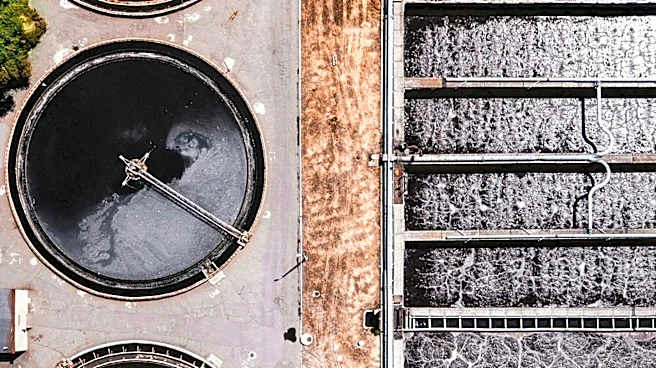
A three-day festival with 50,000 attendees can generate hundreds of tons of waste. A small army of workers and volunteers operates around the clock, particularly overnight, to manage this. They empty thousands of bins, sort recycling from compostables and landfill waste, and clean the grounds to make them look fresh each morning. Equally critical is sanitation: the planning and maintenance of restroom facilities and hand-washing stations for a population the size of a small city. The goal is to make the immense challenge of human waste management feel as seamless and unnoticeable as possible.
Water, Water Everywhere
Hydration is a major safety and health concern at any large gathering. Behind the scenes, a massive plumbing operation ensures that free water refill stations are constantly supplied with potable water. This temporary infrastructure can involve hooking into municipal water mains or bringing in massive water tankers and filtration systems. It's a logistical puzzle of pressure, purity, and placement, all designed to make grabbing a free, safe drink of water an easy and obvious choice for every single attendee.
The Artist & Crew Transit System
Getting the talent to the stage is far more complex than a single black SUV pulling up backstage. A festival might have over a thousand performers, each with their own crew, travel needs, and schedules. A dedicated logistics team manages a fleet of vehicles, coordinating airport pickups, hotel transfers, and precise on-site movements between green rooms, press tents, and stages. They handle everything from international customs clearance for equipment to last-minute schedule changes, ensuring every artist gets where they need to be, exactly when they need to be there.
Connectivity and Data
If you can post a selfie or check an artist's set time on the festival app, it’s because of a temporary communications network. With tens of thousands of people in one concentrated area, local cell towers would instantly become overloaded. Organizers work with providers to bring in COWs (Cells on Wheels) or install temporary Wi-Fi networks to handle the immense data load. This invisible infrastructure is crucial not only for fan selfies but also for the operational teams who rely on it for real-time communication, from security to stage management.
Crowd Science and Security
The feeling of safety in a massive crowd isn't an accident; it's by design. Before the gates even open, experts use software to model crowd flow, predict movement patterns, and design the site layout to prevent bottlenecks and ensure accessibility. During the event, a central command center monitors crowd density and communicates with security personnel on the ground. This team is responsible for everything from the friendly faces at the gate to implementing emergency evacuation plans, all guided by the science of keeping large groups of people moving freely and safely.
The Pop-Up Medical System
Within the festival grounds exists a fully functional emergency medical system. This often includes one or more main medical tents that act as field hospitals, smaller first-aid stations scattered throughout the site, and teams of roving medics on foot or in carts. These teams are equipped to handle everything from dehydration and minor injuries to life-threatening emergencies, providing a critical safety net that most fans will thankfully never have to use but is essential for any large-scale gathering. Their presence and preparedness are a core part of the event's duty of care.