







The Teenager's Blockbuster Diet
In your teen years, movies are often less about the film and more about the experience. It’s a social activity, a topic of conversation, and a way to build identity. The summer movie season is a landscape of high-octane spectacle: superhero showdowns,
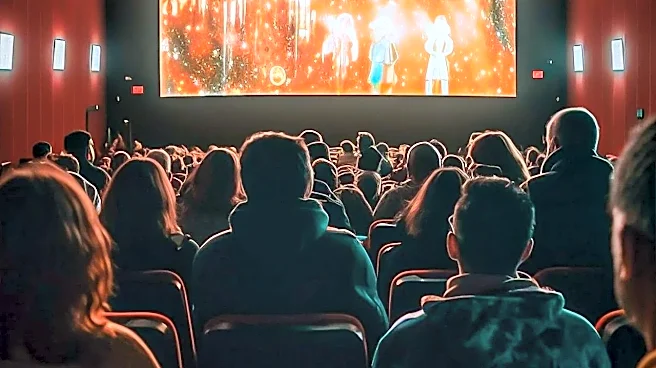
explosive action flicks, and broad comedies. Recent studies show that while teens are often perceived as only caring about social media, they watch a significant amount of traditional media and discuss it with friends. Their choices are frequently driven by a desire for escapism and relatable content, particularly stories centered on friendships. This is the era of the cinematic event, where being part of a massive opening weekend audience provides a sense of belonging.
The Big Shift: From Social to Personal
The transition to adulthood is where the first major shifts in taste begin. As life fills with new responsibilities like college, careers, and moving away from home, movie-watching often becomes a more personal and less frequent activity. The group dynamic that dictated many teenage film choices starts to fade. You're no longer seeing a movie just because your entire friend group is going. Instead, you begin to actively choose what you want to watch based on personal interest. This is when you might find yourself exploring genres you once ignored, seeking out films that challenge you or offer a different kind of emotional payoff than the sugar rush of a summer blockbuster.
The Adult's Cinematic Palate
As an adult, what you seek from a film often mirrors what you're navigating in life. Character-driven dramas that explore complex relationships, careers, and moral ambiguity suddenly feel more resonant. The simple, idealized romances common in teen films can lose their appeal, replaced by a preference for stories with more nuance and emotional depth. Horror might evolve from jump scares to psychological thrillers that explore the complexities of the human mind. And then there's the powerful pull of nostalgia; as we get older, we often find comfort in re-watching films from our youth, not necessarily because they were cinematic masterpieces, but because they evoke happy memories and simpler times.
An Expansion, Not a Replacement
It’s a misconception that your taste simply gets “more serious” or “boring” with age. It’s more accurate to say it expands. You don’t necessarily stop loving the high-energy action films of your youth; you just add more layers to your cinematic preferences. An adult can appreciate both a thoughtful, slow-burn indie film and the pure, uncomplicated joy of a giant robot fight. The change isn't about trading one for the other. It’s about building a richer, more diverse library of what you enjoy, where a foreign-language drama can sit comfortably on your watchlist next to a beloved 90s comedy. Your taste becomes a reflection of your own multifaceted life experience.