








1. Choose Your Battles
The first rule of tournament survival is accepting you can’t watch everything. A month-long event with multiple games a day is a marathon, not a sprint. Before the tournament begins, pull up the schedule and create a personal viewing plan. Circle the non-negotiable
matches: every USA game, the heavyweight clashes you’ve been waiting for, and maybe the knockout stage fixtures of your favorite superstar. For the less-critical group stage games—like that 3 a.m. matchup between two teams you have no stake in—give yourself permission to skip them live. This isn't failure; it's strategy. Knowing which nights you’ll be up late allows you to plan your recovery, rather than making impulsive, sleep-depriving decisions every single day.
2. Master the Strategic Nap
Napping is your new superpower, but it must be wielded with precision. A poorly timed nap can disrupt your nighttime sleep even more. The ideal nap is either a short “power nap” of 20-30 minutes or a full 90-minute sleep cycle. A short nap will boost alertness without causing grogginess, or “sleep inertia.” A 90-minute nap allows you to cycle through both light and deep sleep, so you wake up feeling genuinely refreshed. The best time for a pre-game nap is in the early afternoon, well before your regular bedtime. Avoid napping for 45-60 minutes; this often wakes you up during the deepest stage of sleep, which is what leads to that disoriented, worse-than-before feeling. Think of it as banking a little rest before a late-night withdrawal.
3. Re-Engineer Your Game-Watching Rituals
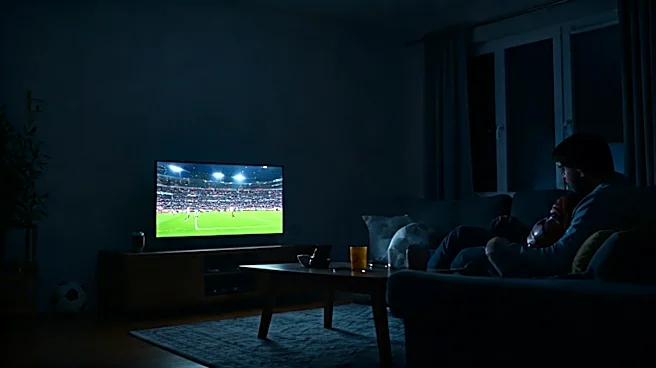
Watching a game at 2 p.m. with friends, beers, and wings is one thing. Watching at 2 a.m. requires a different approach. Your body associates certain cues with sleep, and you need to avoid confusing it. First, manage light exposure. The blue light from your TV, phone, and tablet screens signals to your brain that it’s daytime, suppressing melatonin production. Use your device’s “night mode” or a blue-light-filtering app. Second, be mindful of what you eat and drink. A heavy, greasy meal late at night can disrupt sleep, as can alcohol. While a beer might feel like a game-day essential, it fragments sleep later in the night. Opt for lighter snacks and hydrating drinks like water or herbal tea. The goal is to enjoy the game without sending your body into a state of high alert.
4. Use Caffeine Wisely, Not Desperately
Coffee is the obvious crutch, but timing is everything. Caffeine has a half-life of about five to six hours, meaning half of it is still in your system that long after you drink it. If you have a 10 p.m. game and need to be sharp, a cup of coffee around 9 p.m. can work wonders. But if you’re trying to get a few hours of sleep after a midnight final whistle, that late-night espresso is a recipe for staring at the ceiling. A better strategy for the day after a late game is to save your caffeine for when you truly need it—like that 10 a.m. work meeting. A single, well-timed coffee can be far more effective than chugging it all morning, which often leads to jitters and an inevitable crash.
5. Go on The Record
Don’t suffer in silence. Let your boss, your team, and your family know what’s up. You don’t need to give a play-by-play of your viewing schedule, but a simple heads-up can manage expectations. Saying something like, “Just a warning, I might be a little slow tomorrow morning—stayed up for a big World Cup game, but I’ll be back to 100% after some coffee,” does two things. It explains any potential dip in your usual energy and shows you’re being proactive. Most reasonable colleagues and family members will understand the cultural significance of a major sporting event. This is especially true at work, where you might find other fans who are in the same boat, fostering a bit of camaraderie instead of creating friction.
6. Embrace the Highlights and Replays
Here's the most liberating tip of all: you don’t have to watch every game live to be a true fan. In the modern media landscape, you can wake up, avoid spoilers by putting your phone on airplane mode, and watch a full replay on a streaming service over your morning coffee. The experience of watching a recorded game without knowing the outcome is nearly identical to watching it live, but it fits your schedule. For less crucial games, a 10-minute extended highlight package often gives you all the key moments, goals, and drama without the 90-minute commitment. Following a tournament is about the story, the upsets, and the glory. You can absorb all of that without sacrificing your sanity.