


From a Basement to the Big Time
In 1970, the first Comic-Con, then called San Diego's Golden State Comic-Con, was held in the basement of the U.S. Grant Hotel. It drew about 300 people who came to celebrate comic books and science fiction with guests like artist Jack Kirby and author
Ray Bradbury. From the very beginning, there was an ambition to think beyond just comics. Kirby, a co-creator of the Avengers and X-Men, advised the founders to include movies and other media, presciently noting that fans' interests were wide-ranging. The event grew steadily, moving through various larger venues during the '70s and '80s before finding its permanent home at the San Diego Convention Center in 1991, setting the stage for a major expansion.
Hollywood Takes Notice
The first seeds of Hollywood's takeover were planted in 1976 when a marketing director for a little-known film called Star Wars gave a presentation, hoping to generate buzz among a core audience of sci-fi fans. It was an early, tentative step. The relationship truly began to accelerate in the early 2000s. The box office success of films like X-Men (2000) and Sam Raimi's Spider-Man (2002) made studios realize the convention's attendees weren't just a niche market; they were influential tastemakers whose enthusiasm could launch a blockbuster. Suddenly, what was once a fan-centric gathering became an essential marketing stop for any genre film with blockbuster aspirations.
The Rise of Hall H
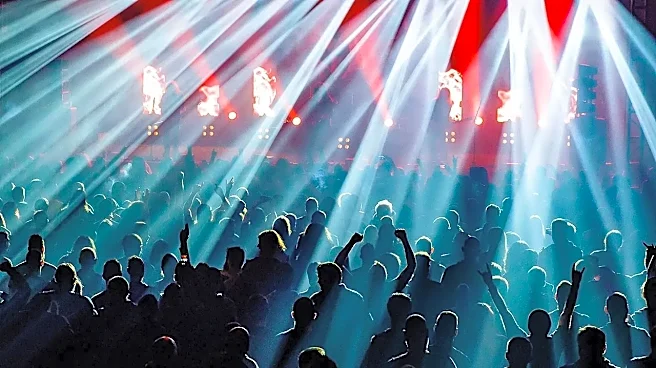
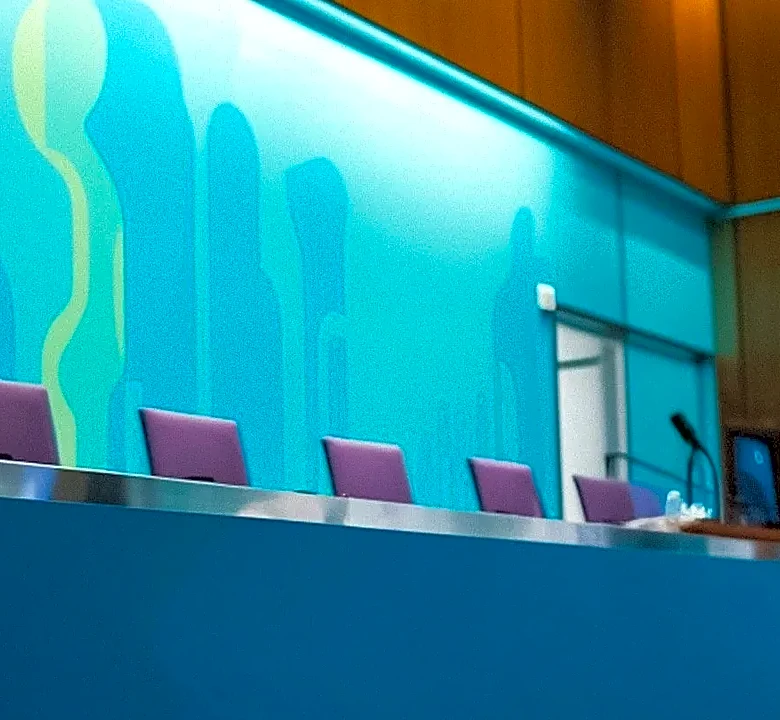
If there’s a single ground zero for Comic-Con's transformation, it's Hall H. Opened in 2004, the cavernous, 6,500-seat hall became the convention's main stage. It wasn't just a bigger room; it was a symbol of a new era. Studios turned their panels into high-production-value events with exclusive footage, surprise celebrity appearances, and major announcements. The room's acoustics became legendary, with the roar of 6,500 fans serving as an instant verdict on a trailer or a casting choice. Gaining entry became a competitive sport, with fans lining up for hours, sometimes overnight, just to be in the room where it happens. The hall is where the entire cast of The Avengers assembled on stage for the first time in 2010 and where the Twilight phenomenon reached a fever pitch.
The Marvel Cinematic Universe Perfects the Formula
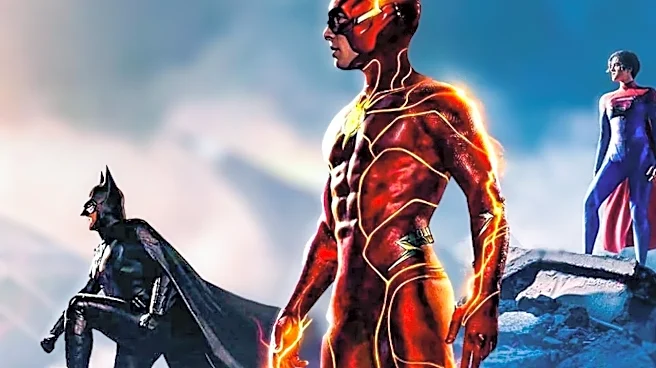
No studio understood or leveraged the power of Hall H better than Marvel Studios. Starting with Iron Man in 2007, Marvel used its annual Saturday night panel to build a relationship with its most ardent supporters. President Kevin Feige became the ultimate master of ceremonies, orchestrating a decade-spanning narrative not just on screen, but live on stage. He unveiled entire phases of the Marvel Cinematic Universe, introduced new heroes, and brought out dozens of stars, creating moments of collective fan ecstasy that would dominate social media for days. For years, the Marvel panel wasn't just a marketing presentation; it was a victory lap and a promise of bigger things to come, cementing Hall H's reputation as the most important room in pop culture.
More Than Just Movies
While superhero films drove the initial explosion, the celebrity focus quickly expanded. Major television shows like Lost, Game of Thrones, and The Walking Dead discovered that Comic-Con was the perfect place to engage with their passionate fanbases, turning their own panels into can't-miss events. The rise of streaming services brought new players like Netflix and, more recently, Apple TV+ into the fold, all vying for the attention of the 130,000-plus attendees. Even when major players like Marvel or DC sometimes skip a year, the void is quickly filled by other studios and networks, proving the platform's enduring power. The convention has become a sprawling, four-day festival celebrating every corner of modern entertainment.