



The Red Carpet's Job Interview
An awards show red carpet isn't just a party; it's a high-stakes job interview broadcast to the world. The 'job' is to be a respected, bankable star. The clothing worn here is about communicating professionalism, success, and a harmonious relationship
with the luxury fashion industry. Stylists and artists select gowns and suits from major houses like Chanel, Versace, or Tom Ford, not just because they're beautiful, but because they signal prestige. A musician's look is carefully curated to project an image of gravitas and elegance, speaking to industry voters, brand partners, and the establishment. The goal is to look iconic yet appropriate, fitting into a tradition of Hollywood glamour. The risk is less about creative expression and more about misjudging the room and appearing anything less than a serious, successful artist.
The Festival as a Creative Playground
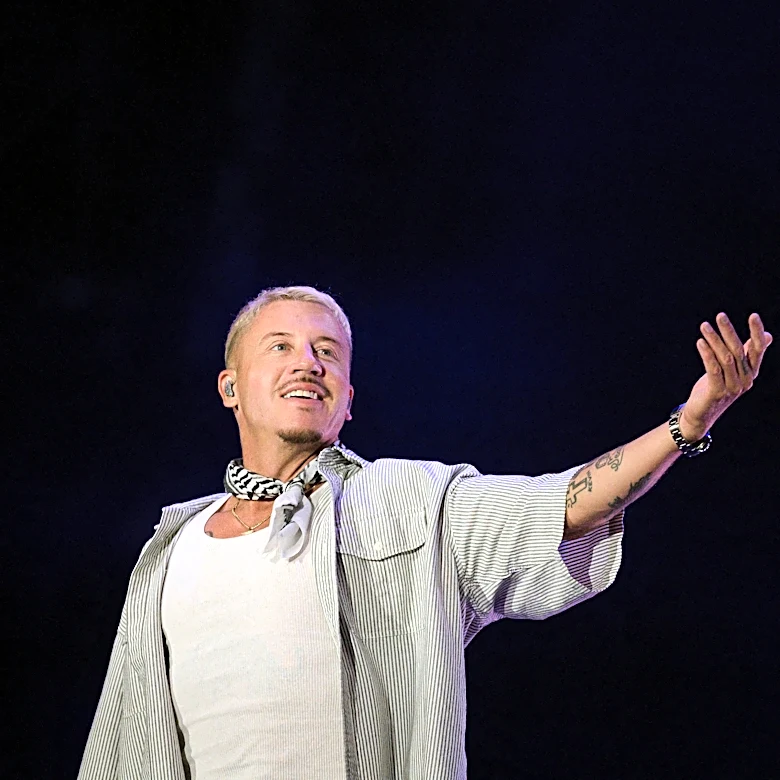
Music festivals are a different universe. The audience isn't a room of industry peers; it's tens of thousands of dedicated fans who have come for an experience. Here, fashion isn't an accessory to the music; it's part of the performance. The vast, open-air stage becomes a playground where an artist's visual identity can be as loud and experimental as their sound. Think of Harry Styles in a custom Gucci sequined jumpsuit at Coachella—a look designed for movement, spectacle, and pure, unadulterated joy. This environment encourages and rewards risk. The primary goal is to create a memorable, immersive world for the audience, and a bold, theatrical outfit is a key part of that storytelling.
An Audience of Fans, Not Voters
The fundamental difference lies in the audience. Award shows are about peer recognition, while festivals are about fan connection. On the red carpet, an artist's outfit is often scrutinized for its adherence to trends and its 'best-dressed' potential. At a festival, the outfit is for the fans. It’s a way to visually embody the spirit of the music and deepen the artist-audience bond. This is where artists can lean into their authentic brand, whether it's bohemian, futuristic, or pure rock-and-roll. They are free from the pressure to conform to the sometimes-stuffy expectations of a formal event. This freedom allows for a more direct, personal, and often more daring form of self-expression that resonates with their core community.
Fashion Built for Spectacle and Sweat
Practicality also plays a huge role, albeit in opposite ways. Red carpet attire is designed to be photographed while standing still. It’s often structured, delicate, and not built for a two-hour, high-energy performance. In contrast, festival clothing is part of a costume. It has to withstand movement, sweat, and the elements while being visible from hundreds of feet away. This leads to choices that prioritize dramatic silhouettes, durable or flowing fabrics, and a sense of theatricality that can read across a massive field. The outfits are less about intricate, close-up details and more about creating a powerful, dynamic stage presence that enhances the energy of a live show.