
Why Your Current Contour Fails
Most online tutorials show a simple method: draw a dark line directly along your jawbone and blend. The problem? This technique often backfires. Instead of creating the illusion of a sharper jaw, it can result in what celebrity makeup artist Melissa Murdick
calls a "weird shadow beard." A visible line of makeup, no matter how well blended, doesn't look like a natural shadow. Real shadows don't sit on top of the bone; they exist in the space underneath it. The goal of contouring is to create an illusion so believable that the product itself is invisible. When you can see the contour, the magic is lost.
Choose Your Tools Wisely
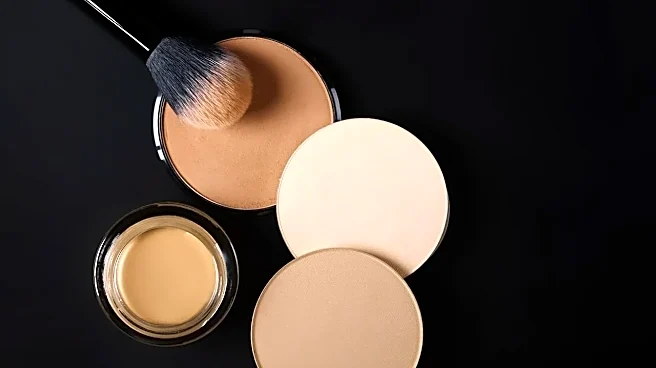
Before we get to the technique, a quick tool check is essential. The most common mistake is using a shimmery, warm-toned bronzer for contouring. Bronzer is designed to mimic where the sun would tan your face, adding warmth. Contour, however, is meant to mimic natural shadows. Shadows are not warm or shimmery. For a believable effect, you need a matte product that is one or two shades deeper than your skin tone with a cool or neutral undertone. Think of the color of a real shadow—it’s grayish, not orange. This distinction is the foundation of a successful contour.
The Hidden Step: The Triangle Method
Here is the professional secret: forget drawing a line along your entire jaw. Instead, you're going to create a targeted shadow directly beneath your chin using what makeup artists call the "triangle method." Tilt your head up slightly and look in the mirror. Identify the area directly under your chin. Using your contour product, draw a 'V' shape. Start at the outer edge of your chin on one side, drawing a line back toward your neck at an angle. Repeat on the other side, so the two lines meet in the middle of your neck, creating a V. Then, fill in this V-shape to form a small triangle of product directly centered under your chin. This places the shadow exactly where it will be most effective.
The Art of the Invisible Blend
Placement is only half the battle; the blend makes it believable. The most important rule for jawline contour is to blend down and back, onto the neck. Never blend upwards onto your jawline or chin. Using a damp sponge or a dense brush, gently tap and buff the edges of the triangle you created. The goal is to diffuse the product, creating a soft, gradual shadow that disappears into your neck. There should be no harsh lines. You want the deepest part of the shadow to be right under the chin, fading out seamlessly. The final result should look like a natural shadow, not a patch of makeup.
Complete the Illusion with Highlights
A shadow is most effective when it has a light source to contrast with. To make your newly sculpted jawline pop, you need to complete the picture. Take a subtle, non-shimmery highlighter and lightly dust it along the actual high point of your jawbone—the bone you were previously told to contour. This small touch of light creates contrast with the shadow underneath, enhancing the sculpted effect. Furthermore, by drawing attention to other features, you can balance the face. Apply a bit of blush to the apples of your cheeks and a touch of highlighter to your cheekbones. This draws the eye upward and away from the chin area, making the overall effect more harmonious and natural.