

The Cardinal Rule of Color
The first and most significant hurdle is color symbolism. For Lunar New Year, red is king, symbolizing luck, joy, and good fortune. Gold is its wealthy cousin, representing prosperity. But the real trip-up for first-time shoppers isn't about what to wear,
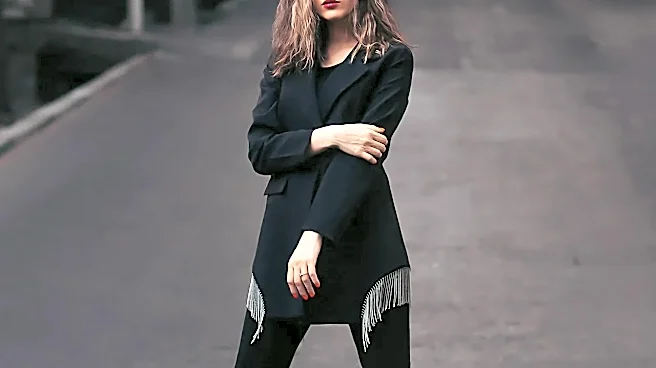
but what to avoid. Your chic, goes-with-everything black or white winter coat is a major cultural misstep. In many East Asian cultures, black and white are the colors of mourning and funerals, embodying sadness and loss. Wearing them during a celebration focused on new beginnings and good fortune is considered highly inauspicious. So, that trusty black peacoat or elegant white wool trench? They directly contradict the joyful, prosperous energy you’re supposed to be cultivating. Even if you see modern party-goers bending the rules, showing up to a more traditional family gathering in a black coat is, at best, a fashion faux pas and, at worst, seen as inviting bad luck for the year ahead.
The Silhouette Struggle
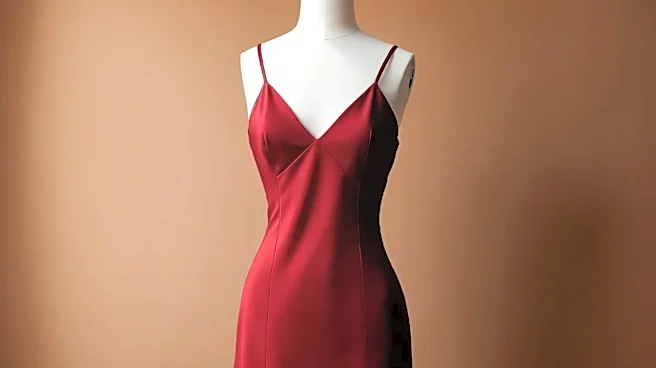
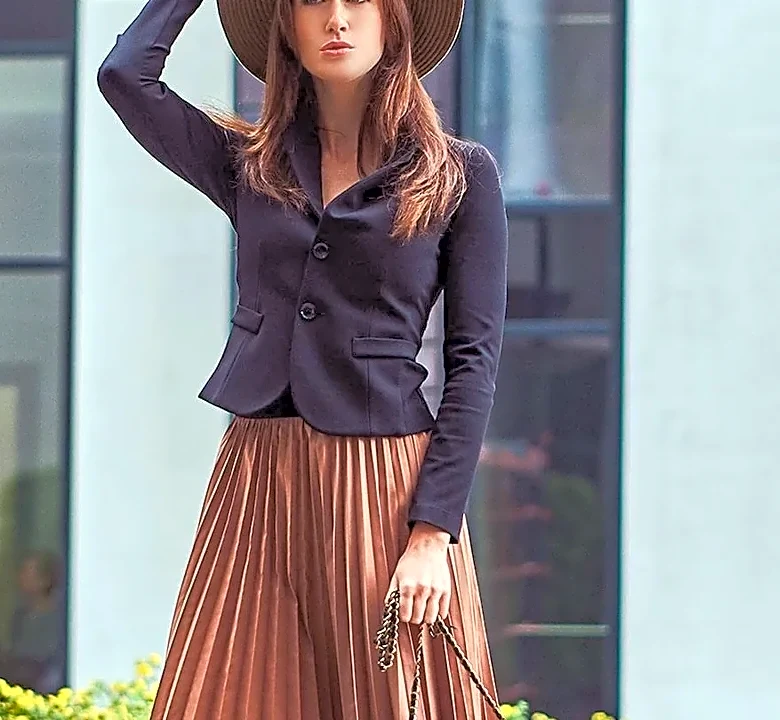
Let’s say you have a coat in an acceptable color—a festive burgundy, a sophisticated camel, or even a bold red. The next challenge is the silhouette. Many traditional Lunar New Year garments, like the elegant cheongsam (also known as a qipao), are defined by their unique cut. A qipao is often form-fitting with a high mandarin collar, delicate frog buttons, and specific lines designed to create a graceful shape. Throwing a bulky, shapeless parka or a casual, structured blazer over it can completely ruin the effect. The high collar of the dress might bunch awkwardly under the lapels of a coat, and the stiff fabric of a winter jacket can crush the delicate drape of the silk or brocade. The goal is to stay warm without obscuring or distorting the outfit's intended silhouette. The outerwear should complement the lines of the traditional garment, not fight against them.
A Clash of Fabrics and Formality
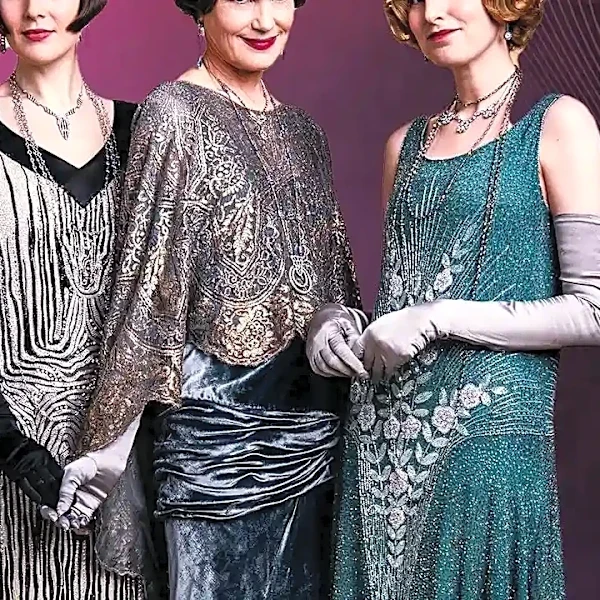
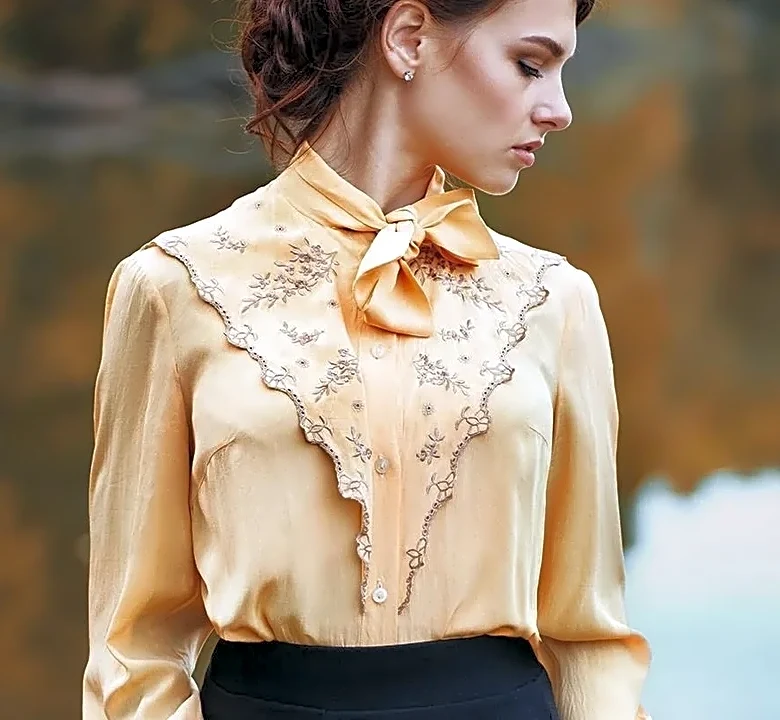
Lunar New Year outfits are inherently special. They are often made from luxurious fabrics like silk, satin, velvet, or intricate brocade. These materials have a certain sheen and formality. Your everyday puffer jacket or denim coat, designed for utility and casual wear, creates a jarring contrast in both texture and tone. It’s the equivalent of wearing hiking boots with a cocktail dress. The fabrics can literally clash, with a rough wool or nylon snagging the delicate threads of an embroidered dress. More importantly, the difference in formality sends a mixed message. A utilitarian coat can make a carefully chosen festive outfit look accidental or under-dressed. The outerwear isn’t just a practical layer; it’s the first thing people see and a part of the total look. It should honor the celebratory nature of the garment underneath, not downplay it.
Finding the Perfect Outerwear Match
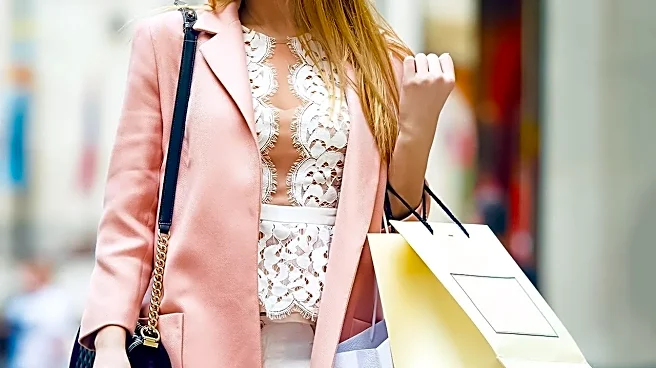
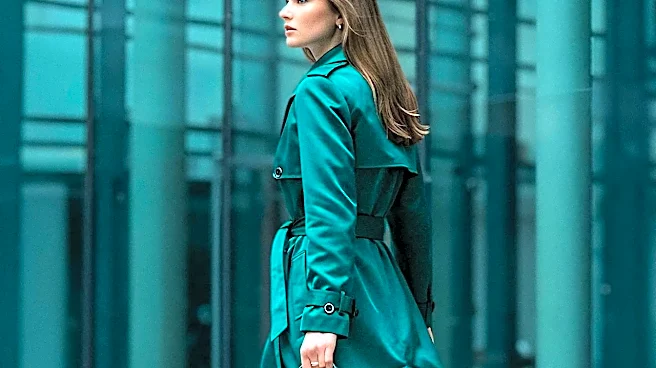
So, what is the solution? It lies in choosing outerwear that respects the three C's: color, cut, and class. Look for long wool or cashmere coats in auspicious or complementary colors like beige, cream, camel, or a rich burgundy. These tones are neutral enough not to clash but warm enough to feel celebratory. A well-chosen red coat is, of course, a showstopper if you're ready to embrace the festive spirit fully. In terms of cut, consider styles that drape rather than constrict. A cape or a shawl-collar coat can flow beautifully over the shoulders of a qipao without crushing the mandarin collar. A wrap coat offers a flexible fit that can accommodate the silhouette underneath. For fabrics, think soft and elevated. Faux fur stoles or jackets add a touch of glamour and warmth. A tailored wool blend coat provides structure without being overly rigid. The key is to think of the coat as the final piece of the outfit, one that enhances the elegance and festive spirit, ensuring you make an entrance for all the right reasons.