
Breaking Free from the September Crush
For decades, the television industry marched to the beat of the broadcast networks. The third week of September was the sacred, ironclad launch for the fall season. It was a predictable flood of new sitcoms
and procedurals, all debuting at once in a chaotic scramble for attention. But the rise of streaming didn't just give viewers more to watch—it completely shattered the calendar. Platforms like Netflix, HBO Max, and Apple TV+ aren't bound by a traditional school-year schedule. They release content year-round, forcing everyone to think differently about when a show can make the biggest impact. As a result, the September logjam has become something for savvy networks to avoid. Why compete with dozens of returning network shows when you can claim a clearer lane just a few weeks later? October offers a strategic advantage: the initial fall buzz has settled, and viewers are actively looking for their next big series to follow into the holiday season.
The Strategic Path to Awards Gold
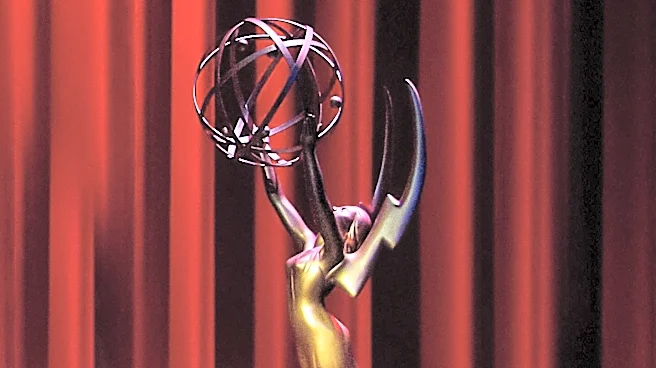
In Hollywood, the calendar is often dictated by one thing: awards season. For television, the Emmy Awards are the ultimate prize, and their eligibility window is a crucial factor in scheduling. To qualify for the main Primetime Emmy Awards, the bulk of a series' episodes must air before May 31 of that year. A show that premieres in September or October is perfectly positioned. It can run its course through the fall and winter, building critical acclaim and audience buzz. By the time Emmy nomination voting begins in the spring, the show is still fresh in the minds of Television Academy members. A series that launches too early in the calendar year risks being forgotten, while a late spring release can feel like a last-minute scramble. An October premiere, like Netflix's literary epic 'East of Eden' or HBO's legal drama 'War', hits the sweet spot, allowing for a sustained campaign that keeps the show in the cultural conversation right up until voting begins.
Dominating the Cultural Conversation
In today's fractured media landscape, the hardest thing for a new show to do is capture our collective attention. A successful prestige drama needs more than just good reviews; it needs to become a topic of conversation, a source of memes, and a weekly appointment for viewers. Launching in a less crowded month provides the space for that to happen. Instead of being one of ten new shows debuting in a week, a high-profile October release can dominate headlines and social media feeds. Streamers are increasingly adopting weekly or hybrid release models, a shift from the full-season 'binge drop' that Netflix popularized. This strategy, seen with shows like HBO's 'War', is designed to build momentum and keep a series in the zeitgeist for months, not just a single weekend. An October start allows this slow burn to build through the fall, ensuring the show is a major topic of discussion as the year comes to a close.
The Holiday Binge-Watch Windup
Audience behavior is the final piece of the puzzle. An October premiere gives a series time to establish itself just before the major holiday corridor begins. As people gather for Thanksgiving and take time off for the winter holidays, they are actively looking for shows to binge-watch with family or catch up on what they've missed. A drama that launched in October will have aired most or all of its season by this point, making it a perfect, self-contained package for holiday viewing. It has accumulated weeks of reviews, word-of-mouth recommendations, and 'best of the year' accolades. This long-tail strategy turns an initial launch into a sustained viewership event, capitalizing on a period when people have more free time to devote to television. The crowded October 2026 calendar, featuring the return of major shows like 'The Diplomat' and 'Tulsa King', shows that nearly every major platform is banking on this very strategy.