


More Than Just Bubblegum Pop
Let’s get one thing straight: the pop culture icons of the new millennium absolutely shaped its fashion. The entire aesthetic is intertwined with images of Britney Spears, Destiny’s Child, and the cast of “Mean Girls.” Their wardrobes—a mix of crop tops,
baggy pants, and an unapologetic amount of denim—became the uniform for a generation. Music videos on TRL and the glossy pages of teen magazines were the primary distribution channels for these trends, cementing a specific, celebrity-driven image of the era in our collective memory. But this mainstream look is only half the story. While pop stars were the public face of Y2K style, the design DNA came from less visible, more experimental scenes that were bubbling up from the underground. Focusing only on the pop-centric surface means missing the futuristic and subversive currents that made the era's fashion truly unique.
The Rise of Techno-Optimism
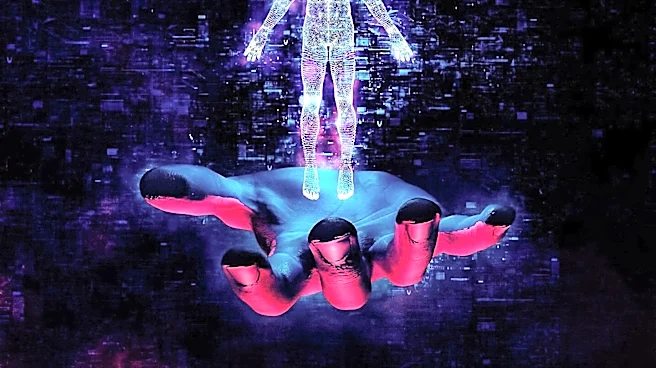
The turn of the millennium was defined by a unique cultural mood: a widespread, almost giddy optimism about technology. The dot-com boom was in full swing, the internet was becoming a household utility, and the future felt shiny, sleek, and digital. This techno-utopianism was directly reflected in what people wanted to wear. Fashion designers and stylists embraced a futuristic vision characterized by metallic and iridescent fabrics, PVC, and a clean, almost aerodynamic silhouette. Think glossy, liquid-like textures and chrome finishes that mimicked the era's popular gadgets, like the iMac G3. This wasn't just clothing; it was a costume for entering a new digital age. The aesthetic was less about everyday wear and more of a high-concept look, most visible in media and music videos that created self-contained, spaceship-like worlds.
From Underground Raves to Mainstream Style
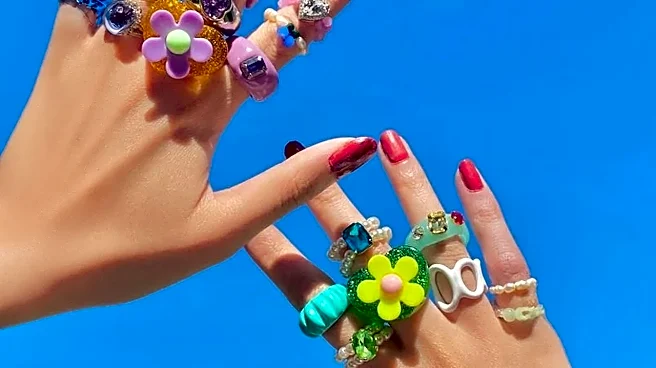
While mainstream culture was looking toward a polished, digital future, a grittier, more chaotic aesthetic was brewing in underground rave scenes across the U.S. and Europe. 90s rave fashion was built on self-expression and comfort, favoring oversized silhouettes, neon colors that popped under blacklights, and wide-legged pants from brands like JNCO. As electronic music gained mainstream traction in the early 2000s, these elements began to merge with futuristic cyber-goth influences: PVC skirts, platform boots, and industrial-looking goggles became part of the look. This fusion of DIY rave culture and sci-fi theatricality bled into mainstream fashion, influencing everything from the fit of pants to the sudden popularity of playful, childlike accessories and bold, bright colors. The commercialization of rave culture brought its once-niche styles to a much wider audience, forever linking it to the Y2K aesthetic.
The Uncredited Influence of Afrofuturism
Perhaps the most significant and overlooked influence on Y2K’s futuristic style was Afrofuturism. This cultural movement, which explores the Black experience through a sci-fi lens, found a powerful outlet in the music videos of the late 90s and early 2000s. Directors like Hype Williams created iconic, otherworldly visuals for artists such as Missy Elliott, Busta Rhymes, and TLC. These videos featured artists in custom-made silver and leather outfits, inhabiting fantastical, spaceship-like sets. In TLC's "No Scrubs," the group commands a futuristic space station. Missy Elliott’s videos for songs like "Supa Dupa Fly" and "Sock It 2 Me" presented a bold, innovative vision of Blackness and technology that was years ahead of its time. The metallic sheen, architectural silhouettes, and imaginative concepts pioneered by these Black artists became a cornerstone of the Y2K futuristic look, powerfully shaping the visual language of the entire millennium era, even if they weren't always given the credit.