





The Rarest Show on Earth
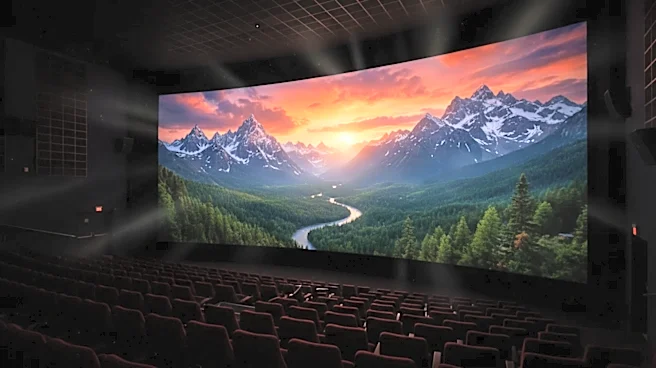
First, let's clarify what we’re talking about. True 70mm IMAX isn't just a big screen; it's the pinnacle of analog film presentation. The film cells are gigantic, running horizontally through a projector to create an image of staggering size and clarity,
with a resolution estimated to be as high as 18K. For Oppenheimer, the film prints were 11 miles long and weighed 600 pounds. This is the format that fills your entire field of vision, creating what Nolan calls a “3D effect without the glasses.” The problem? It’s incredibly rare. As of 2023, only about 30 theaters in the entire world were equipped to project it. Most venues branded “IMAX” use a digital projection system, which is excellent, but not the same immersive, analog experience. Maintaining these specialized film projectors is expensive and requires trained technicians, making it a risky investment for theaters.
The Oppenheimer Effect
Until recently, 70mm IMAX felt like a glorious but fading novelty, championed almost single-handedly by Christopher Nolan. Then came Oppenheimer in 2023. The film wasn't just a blockbuster; it was a cultural phenomenon that drove audiences to specifically seek out the 70mm IMAX experience. Tickets for these limited screenings sold out for weeks, and those 30 theaters generated a hugely disproportionate amount of the film’s box office revenue. It proved that a significant number of moviegoers are willing to pay a premium and even travel for a truly unique presentation that can't be replicated at home. Oppenheimer didn't just make money; it re-ignited a mainstream conversation about the power of theatrical spectacle and put 70mm IMAX back on the map as the undisputed gold standard.
So, What Is 'The Odyssey'?
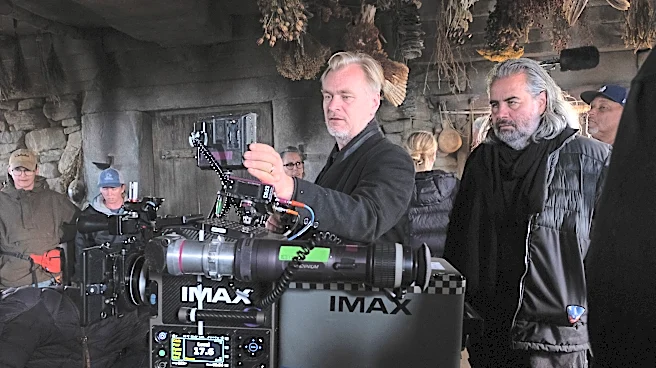
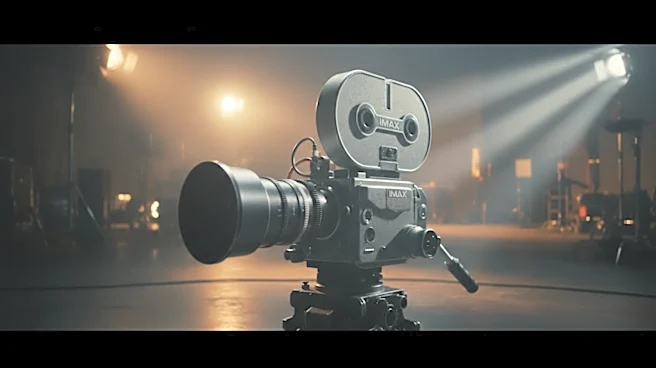
The headline refers to the next great hope for the format: Christopher Nolan's upcoming epic, The Odyssey, slated for a July 17, 2026 release. While the title might bring to mind Homer's epic poem, details on Nolan's film are, as usual, tightly under wraps. What we do know is that it marks a historic milestone: it is the first feature film to be shot entirely using 70mm IMAX cameras. Nolan has been pushing the technology for years, but loud camera noise made it difficult to shoot dialogue-heavy scenes. After Oppenheimer, new camera-quieting technology was developed, making a fully IMAX-shot feature possible. The industry is betting that another Nolan-helmed summer event film, designed from the ground up for this format, will create another Oppenheimer-level demand surge.
One Film Is Not a Business Model
While The Odyssey is poised to be another massive win for the format, its long-term survival can't rest on a single director, no matter how successful. For a theater owner to invest in or maintain a costly 70mm IMAX projector, they need a pipeline. The success of Oppenheimer and the anticipation for The Odyssey have already sparked positive developments. Cinemark, for example, announced an agreement to activate three additional IMAX 70mm film systems specifically ahead of the film's 2026 release. But beyond Nolan's work and occasional re-releases, the calendar for new 70mm IMAX productions is thin. Directors like Paul Thomas Anderson, with his upcoming film rumored to have a large-format release, represent other potential champions. However, for the format to truly have a stable future, more filmmakers and studios need to commit to producing content for it. Without a consistent slate, these projectors will mostly gather dust, making them an unsustainable luxury for all but a few flagship locations.