



A Building Full of Strangers
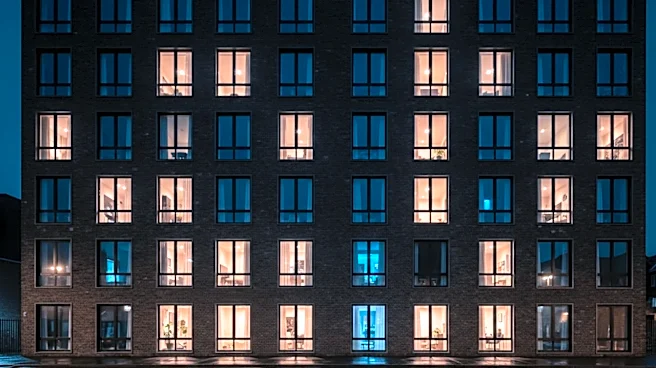
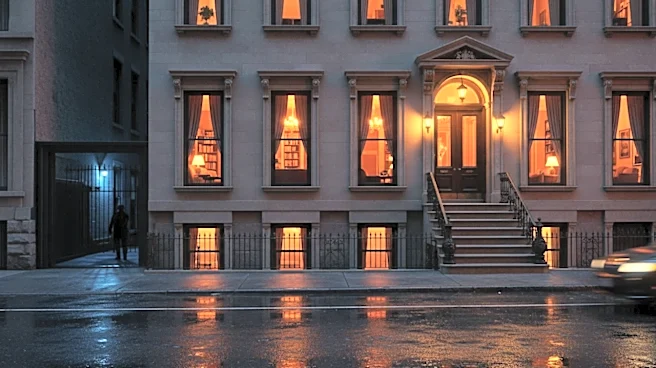
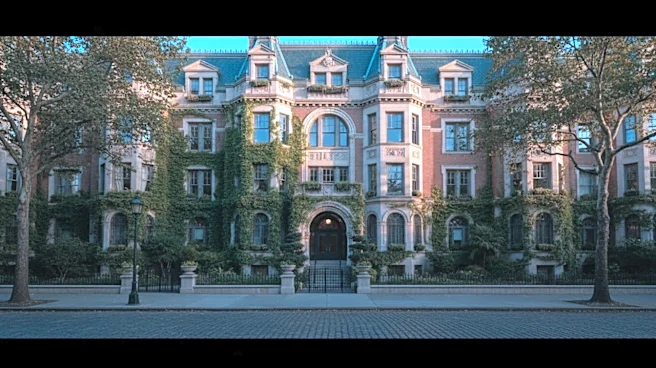
The Arconia, the show's grand, pre-war Upper West Side apartment building, is a character in its own right. Before the chaos begins, it’s a perfect microcosm of New York life. It's a place where neighbors share an elevator in silence, headphones on, eyes
averted, constructing invisible walls that are as real as the physical ones separating their apartments. Charles-Haden Savage (Steve Martin), Oliver Putnam (Martin Short), and Mabel Mora (Selena Gomez) are prime examples: three lonely souls living floors apart who would have happily never spoken. Composer Siddhartha Khosla noted that New York apartment buildings are “incredibly lonely places.” The Arconia promises safety through exclusivity and prestige, but what it really delivers is elegant isolation. Its residents, stacked on top of each other, have every opportunity to form a community, yet they actively choose not to. This isn't a flaw in the system; it's the feature.
All It Takes Is a Murder
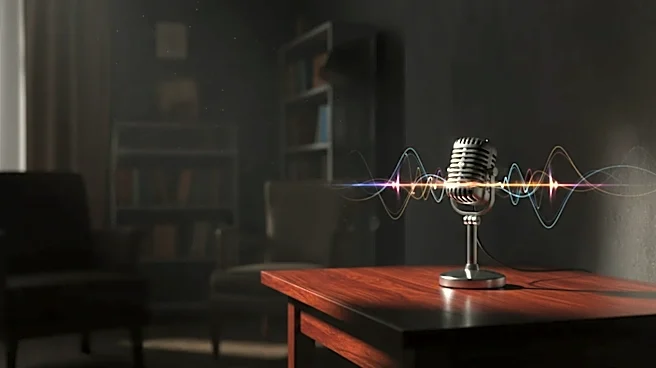
The social contract of mutual ignorance is shattered by a fire alarm and the discovery of a dead neighbor, Tim Kono. Police rule it a suicide, an explanation most residents accept because it preserves the fiction that the Arconia is immune to violence. But for Charles, Oliver, and Mabel, their shared obsession with a true-crime podcast becomes a sudden, bizarre bond. The death of a neighbor they barely knew becomes the catalyst that forces them out of their self-imposed bubbles. Murder, it turns out, is a hell of an icebreaker. It transforms the building from a mere collection of private residences into a crime scene, and a crime scene has no room for privacy. Suddenly, everyone is a suspect, every closed door is a potential clue, and every resident is a person of interest. The anonymity they once cherished becomes an obstacle to the truth they now desperately seek.
The Making of a Makeshift Family
The community that forms in the wake of the murder is by no means a wholesome neighborhood watch. It’s awkward, nosy, and fueled by suspicion and a desire for podcast content. The central trio’s friendship is born not of affection but of a shared, morbid hobby. They break into apartments, eavesdrop on conversations, and treat their neighbors as potential characters in their narrative. Yet, through these questionable pursuits, something genuine begins to form. They are, as the show beautifully illustrates, three lonely people who have finally found their people, even if the circumstances are macabre. This “forced community” isn't about potlucks and friendly greetings; it’s about having someone to text when you have a breakthrough at 3 a.m. and knowing they’ll care. It’s a reluctant, dysfunctional, and deeply loyal found family.
Reflecting a Real-World Longing
The appeal of the Arconia’s transformation extends beyond clever plotting. It taps into a distinctly modern loneliness and a concurrent fascination with true crime. The show acknowledges that the desire to solve a mystery is often a proxy for a deeper desire to connect and make sense of the world. In an age of curated digital lives and increasing physical isolation, the idea of a dramatic event forcing real-world, high-stakes collaboration is a potent fantasy. The show suggests that while we prize our privacy, we also harbor a deep-seated longing to belong, to be part of an exclusive group, even one forged by tragedy. The Arconia becomes a village within the city, offering the promise of living in both simultaneously. It suggests that maybe, underneath our headphones and our desire to press the “close door” button, we’re all just waiting for a reason to talk to each other.