


From the Diamond to the Dugout
The baseball cap’s story begins, unsurprisingly, on the baseball field. In the mid-19th century, players needed a way to keep the sun out of their eyes. Early versions were worn by teams like the Brooklyn Excelsiors around 1860, but it took decades for
the design to standardize. By the early 1900s, teams began adopting official caps, often made of wool, with logos stitched on the front. The Detroit Tigers were among the first to add a graphic logo in 1901, an innovation that turned a functional piece of gear into a symbol of team loyalty. For decades, that’s what the cap was: a piece of the uniform for players and a souvenir for die-hard fans.
The Pop Culture Takeover
The 1980s changed everything. The cap's migration from sports to mainstream fashion was supercharged by pop culture. A pivotal moment came from the TV series Magnum, P.I., where Tom Selleck frequently wore a Detroit Tigers cap, not as a fan in the stands, but as a core part of his character's iconic, casual look. Around the same time, hip-hop artists were adopting the cap as a symbol of identity and regional pride. Groups like N.W.A. and Run-D.M.C., along with filmmakers like Spike Lee, turned team caps from the likes of the Yankees and Dodgers into essential streetwear. The cap was no longer just about sports; it was about style, music, and cultural affiliation.
The Off-Duty Uniform
By the 1990s, the baseball cap solidified its status as the go-to accessory for effortless cool. Youth culture embraced wearing it backwards as a small act of rebellion, a trend quickly adopted by celebrities. It became part of the unofficial uniform for off-duty stars trying to achieve a low-profile look while dodging paparazzi—think Princess Diana in a simple cap and blazer, or the endless stream of actors and musicians seen at airports. This cemented the idea of the cap as a tool for cultivated anonymity, ironically making it even more of a style statement. If you looked like you were trying to hide, you were probably someone worth looking at.
Athleisure and the Rise of the 'Dad Hat'
The 2010s brought the athleisure boom, a trend that blurred the lines between workout clothes and everyday fashion. The baseball cap was a natural fit. It became the finishing touch for an outfit of leggings, a hoodie, and stylish sneakers. This era saw the rise of the “dad hat”—a softer, unstructured cap, often with a simple logo or no logo at all. Celebrities like Rihanna, Gigi Hadid, and Kendall Jenner were frequently photographed wearing them, proving the cap could be paired with everything from high-fashion ensembles to casual errands-running outfits. Its versatility became its greatest strength.
The Modern Beauty Tool
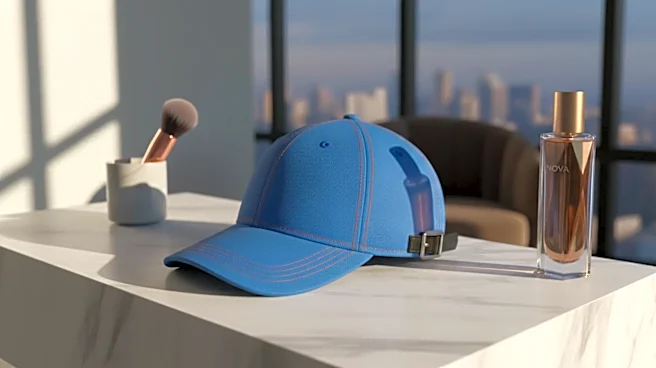
Today, the baseball cap's function has expanded into the beauty realm. It’s the universally acknowledged solution for a bad hair day, instantly hiding uncooperative locks or greasy roots. But it’s more than just a cover-up. Minimalist beauty brands like Merit have even offered them as promotional items, framing the cap as part of a “less is more” aesthetic. It’s a key component of the “clean girl” look—paired with slicked-back hair, dewy skin, and gold hoops. Furthermore, technology is literally turning the cap into a beauty device, with companies developing caps that incorporate red light therapy to stimulate hair growth. From a simple sun shield to a high-tech hair-growth tool, the cap has completed its transformation from a sports accessory to a multifaceted beauty essential.