



Bart Simpson: The Crudely Drawn Rebel
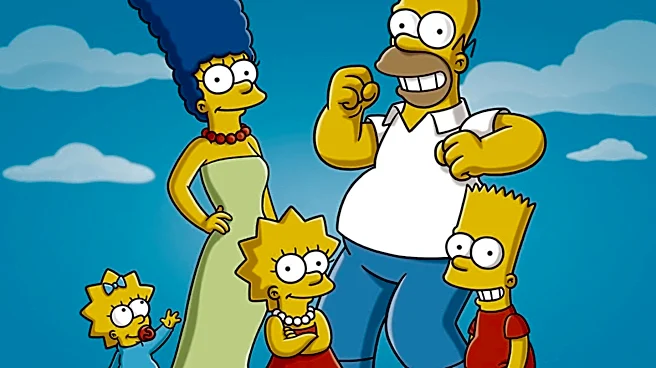
It’s hard to imagine Bart Simpson looking any other way, but the iconic troublemaker started as a much rougher sketch. When creator Matt Groening first pitched The Simpsons as shorts for The Tracey Ullman Show, he hastily drew the family in a waiting
room. Those initial designs were crude, and the animators, assuming they were supposed to clean them up, instead just traced over them, preserving their raw energy. Early Bart had spiky hair of varying lengths, which was later standardized to the nine identical spikes we know today. Groening designed the characters to be recognizable in silhouette, and Bart's spiky head—conceived in black and white as an extension of his skull—was a key part of that philosophy. While the core of his rebellious nature was there, the visual was far less refined than the globally recognized icon he would become.
Chuckie Finster: From 'Strange' to Lovably Anxious
Before Nancy Cartwright took over the role in 2001, Chuckie Finster's anxious chatter was a hallmark of Rugrats. The show's creators, Arlene Klasky and Gábor Csupó, wanted a visual style that broke from typical cute cartoons, leaning into a 'strange' and unique European-inspired look. Chuckie, the perennial scaredy-cat, was designed to embody that anxiety. His wild, untamed hair, oversized glasses, and mismatched clothes were all carefully chosen to reflect his nervous disposition. The design process for Rugrats was intentionally unconventional to mirror the messy, chaotic world of toddlers. While specific early drafts are less public, the philosophy was clear: move away from polished and perfect. Chuckie's final design is a masterclass in character-driven aesthetics, a visual representation of the worrywart personality that Cartwright would eventually voice so perfectly.
Nelson Muntz: The Evolving Bully
Nancy Cartwright doesn't just voice heroes and neurotic toddlers; she's also the unmistakable voice behind Springfield's resident bully, Nelson Muntz. Like Bart, Nelson's design had to fit into the distinctive Simpsonian universe. While he was always conceived as a bully, his specific look helped define his brand of simple, brutish antagonism. Character design in The Simpsons often relies on simple shapes, and Nelson’s stocky build, flat-top haircut, and signature vest create an instantly readable silhouette. Cartwright was actually a last-minute replacement to voice Nelson after the original actress missed the recording session, and she developed his signature 'throat-ripper' voice on the spot. This synergy between a quickly established voice and a distinct design cemented Nelson not just as a generic tough kid, but as the iconic 'Ha-ha!' shouting bully we love to hate.
Rufus the Naked Mole-Rat: Designing the Un-Designable
How do you make a creature famous for being pink, wrinkly, and buck-toothed into a beloved Disney sidekick? That was the challenge for the creators of Kim Possible. Nancy Cartwright voiced Rufus, the hairless pet of Ron Stoppable, and her performance was key to making him a standout character. For the role, Cartwright researched naked mole-rats extensively. The design process had to walk a fine line. A realistic depiction would have been off-putting for a kids' show, so the artists had to find a way to stylize the creature into something appealing. They simplified his features, gave him large, expressive eyes, and focused on his actions and Cartwright’s squeaky vocalizations to convey his personality. Early concepts for such a unique character undoubtedly explored more animalistic or perhaps even more cartoonishly absurd versions before settling on the perfectly pocket-sized companion who stole every scene he was in.