

Obsession: The Campaign That Stared Back
The horror hit Obsession became one of the summer's biggest word-of-mouth successes, and its marketing began with a simple, unsettling idea. Billboards in New York and Los Angeles appeared with messages like "text me," seemingly from a romantic admirer.
But with each passing day, the tone of the messages on the billboards grew more desperate and creepy, mirroring the film's plot. The hook was turning a static advertisement into a live, evolving narrative. People who texted the number were drawn into the story. It wasn't just an ad; it was an interactive mystery unfolding in public, creating a dedicated online community that investigated every change. The campaign was designed to build a sustained community, not just a big opening weekend, which resulted in the film's box office surging in its second and third weeks as the story spread.
Backrooms: The Power of Authenticity
The found-footage horror film Backrooms was based on a viral YouTube series, and studio A24 made the smartest possible marketing decision: they hired the original creator, Kane Parsons, and let the campaign grow from the community he had already built. Instead of a glossy, mainstream ad blitz, the marketing relied on minimalist, in-universe content that would excite existing fans. This included a cryptic wallpaper-style poster and a fake TV commercial that felt like another piece of the mythology. The hook was respecting the source material and its audience. By empowering the original creator, the studio signaled to millions of fans that the movie was an authentic extension of the world they already loved, turning them into evangelists before the film even opened and fueling its surprise box office run.
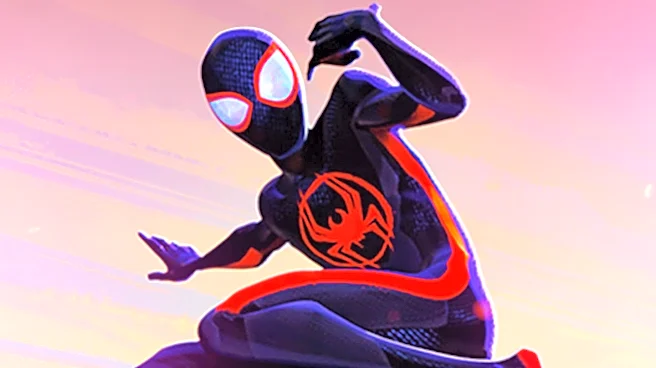
Spider-Man: Brand New Day: The Art of the Reveal
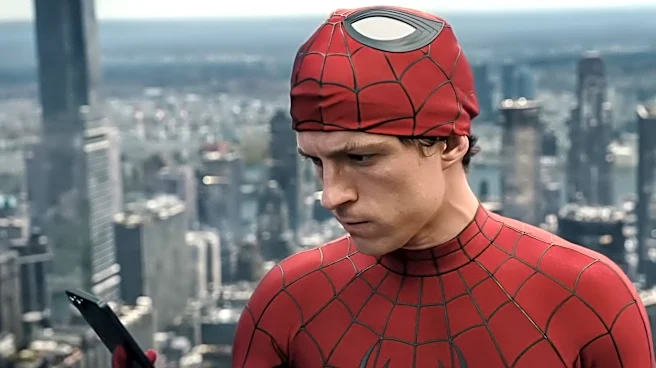
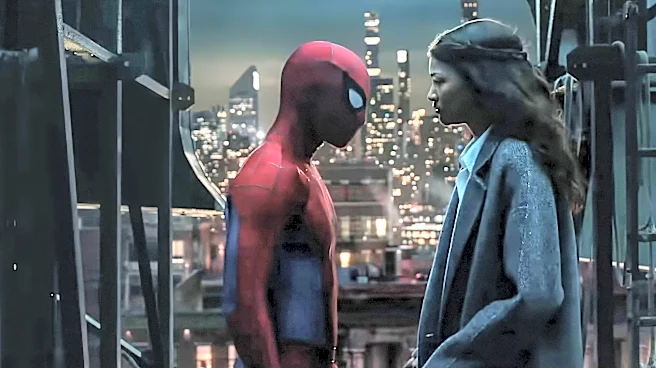
How do you market one of the most recognizable superheroes in the world? For Spider-Man: Brand New Day, Sony did the opposite of what most studios do: they showed less. The campaign's central hook was strategic mystery. Knowing the audience already had a deep connection to Tom Holland's character, the trailers were masterfully edited to withhold crucial plot details, raising more questions than they answered. This tactic transformed the pre-release window into a global guessing game. Every trailer drop sparked billions of views and endless fan theories online, with audiences dissecting every frame for clues. The campaign trusted the audience's investment, making the act of waiting for the film—and speculating about its secrets—an event in itself, which paid off with a record-shattering opening weekend.
Scary Movie: The Meme as Marketing
In a summer crowded with sequels and superheroes, the new Scary Movie installment needed a way to feel relevant. Its hook was simple: make fun of everyone else. The campaign rolled out a series of parody posters, each one mercilessly spoofing another major summer 2026 film. Every new poster launch became its own miniature media event, designed specifically to be screenshotted, shared, and go viral on social media. It was a campaign built for audience participation. By borrowing the cultural relevance of other, more serious blockbusters, Scary Movie generated constant, laugh-driven buzz. This approach didn't just announce the film was coming; it performed its core comedic promise in real-time, helping it significantly overperform its box office projections.