

The on-screen Thanksgiving dinner is a work of art: a sprawling, chaotic, yet heartwarming portrait of family. But behind the camera, creating that cozy chaos is one of the most grueling and technically demanding tasks in all of filmmaking.
1. The Tyranny of Continuity
A single dinner
scene might take days to film, covering multiple camera angles and dozens of takes. Every single object must remain in the exact same position from shot to shot. Did a character take a bite of turkey in the wide shot? That bite needs to be gone in their close-up, filmed hours later. Is a wine glass half-full? It must stay half-full. Script supervisors and prop masters become forensic accountants, tracking every fork, every crumpled napkin, and every disappearing green bean. The slightest error, like a slice of pie vanishing and reappearing, can break the illusion. As one Reddit thread on the topic noted, keeping track of props like drinks and food is a 'nightmare'. This is why you’ll often see actors pushing food around their plates rather than actually eating; it’s easier to replicate moving a pea than it is to replace a half-eaten one.
2. Herding Cats, But With Dialogue
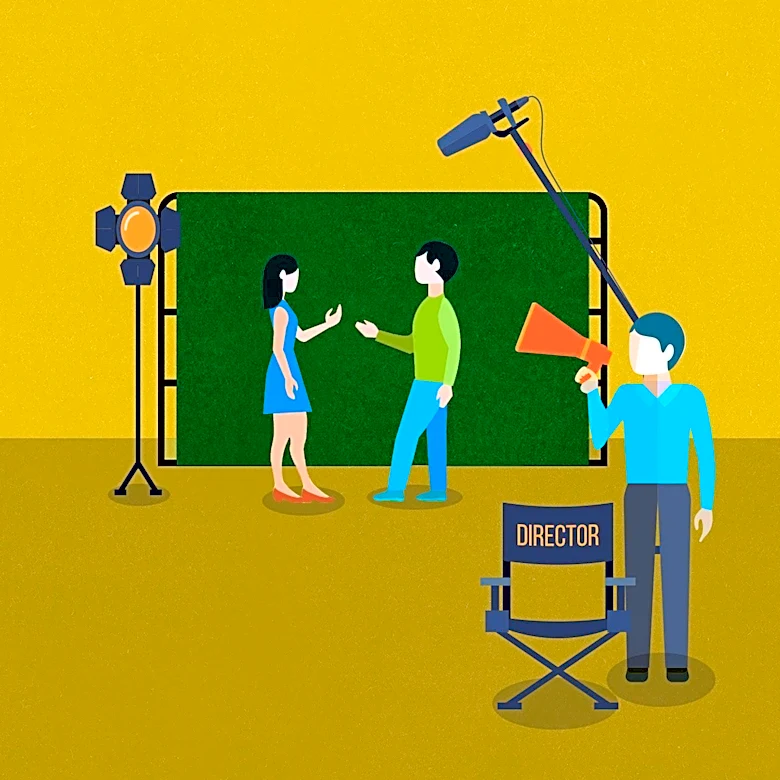
Directing a large ensemble is a monumental challenge. Getting a dozen actors to hit their emotional beats, deliver lines perfectly, and react to each other—all while navigating the technical demands of the scene—requires immense focus. Directors must ensure every actor is 'making the same movie' tonally, even those who are just listening in the background. Energy levels can dip over hours of repetitive takes for a scene that lasts only minutes on screen. Actors waiting for their close-up can get bored or rusty on their lines, making it difficult to maintain the high emotional stakes of a family argument or a heartfelt confession. It’s a delicate dance of choreography and performance management that can feel less like directing and more like air traffic control.
3. The Unappetizing Truth About Screen Food
That glistening, perfect turkey you see on screen? It’s probably been sitting under hot lights for hours and may not even be fully cooked. Food stylists are the unsung heroes of these scenes, tasked with creating food that not only looks delicious but can withstand a long shoot. Real food wilts, discolors, and becomes unappetizing. To combat this, stylists use an arsenal of tricks, like spraying food with a mix of oil and water to keep it looking fresh or using stand-in ingredients like oatmeal colored with cocoa powder to mimic ground meat. Actors who do have to eat often use a spit bucket between takes to avoid getting sick after consuming the same bite for the tenth time. Furthermore, with large casts, stylists must account for potential allergies, sometimes creating entirely different dishes that look identical to the real thing.
4. An Audio Nightmare of Epic Proportions
Capturing clean audio when a dozen people are talking, clinking silverware, and shifting in their chairs is incredibly complex. Each principal actor typically wears a hidden lavalier (lav) microphone to isolate their dialogue. However, the sound mixer also has to contend with the rustle of clothing, the scrape of a chair, and overlapping lines. Blending all these audio sources together into a clear, balanced soundscape without it becoming a muddy mess is a huge post-production challenge. Sound engineers must ensure every line of dialogue is intelligible, even when it competes with the ambient noise of the dinner itself, a process that can involve micro-adjusting the timing of individual sounds to ensure clarity.
5. The Camera Doesn't Eat
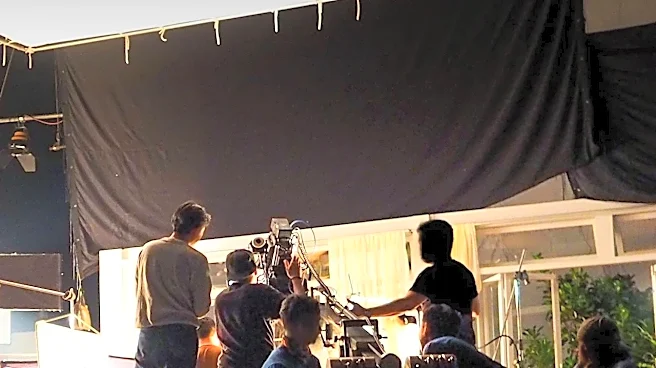
Covering a dinner table scene requires an exponential number of camera setups compared to a simple two-person conversation. A director needs a wide master shot to establish geography, then medium shots of different groups, and finally individual close-ups for key lines and reactions. Maintaining correct eyelines is a major hurdle; with so many people at the table, it’s easy for a camera angle to make it look like an actor is talking to the wrong person. Each time the camera is moved, the lighting must be tweaked, and all the continuity details must be double-checked. A single page of a script can translate into a full day or more of meticulous, repetitive shooting just to ensure the editor has all the pieces needed to construct a seamless and emotionally resonant scene.