




The Tale of Two Teams in One
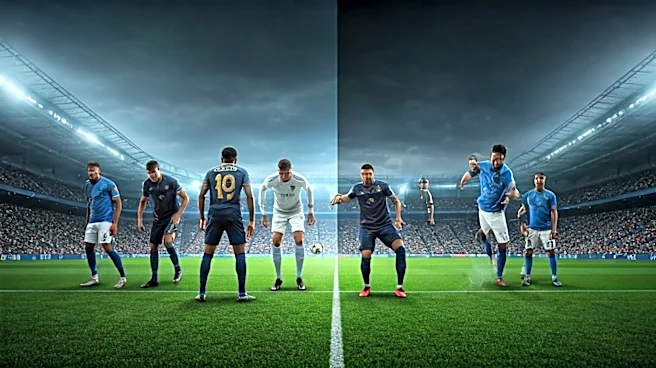
In modern sports, particularly soccer, the formation announced at kickoff is just a starting point. The real tactical genius lies in how that shape transforms based on one simple variable: who has the ball. Teams operate with two distinct shapes: one for when
they are “in possession” (attacking) and another for when they are “out of possession” (defending). When a team has the ball, the goal is to create space. Players spread out, fullbacks push up the sidelines, and wingers drift into attacking channels to stretch the defense and open passing lanes. The shape becomes expansive and fluid, designed to create numerical advantages in key areas of the field. Conversely, when a team loses the ball, the objective instantly flips. The priority is to deny space, become difficult to break down, and protect the goal. Players contract into a more compact, rigid structure, often dropping into two solid banks of four or five to close gaps and limit the opponent's options.
The Classic Morph: 4-3-3 into 4-5-1
One of the most common and clearest examples of this is a team that officially lines up in a 4-3-3. In possession, this formation is aggressive and attack-minded, with three forwards pressing the opposition's back line and creating multiple attacking threats. However, the moment they lose the ball, that 4-3-3 will almost instantly morph. The two wide forwards will drop back to join the midfield, transforming the shape into a 4-5-1. The purpose of this change is defensive solidarity. A flat five-player midfield is incredibly difficult to pass through, clogging the center of the park and forcing the opponent into less dangerous wide areas. By having their attackers pull double duty as defensive midfielders, teams can be adventurous in their attack while remaining structurally sound when they have to defend.
Every Player Has Two Jobs
This tactical fluidity means that players in the modern game have dual roles. A winger isn't just an attacker; they are also a crucial part of the team's defensive structure. A central midfielder might be tasked with orchestrating attacks one moment and then dropping between the center-backs to help play out from the back the next. This is why coaches covet players with high “tactical intelligence.” It’s not enough to be technically skilled; players must understand when to press, when to drop, and how their movement affects the team's overall shape in both phases of play. A fullback who bombs forward to join the attack must have the awareness and discipline to sprint back and fill their defensive slot the second possession is lost.
The Game Within the Game: Winning the Transition
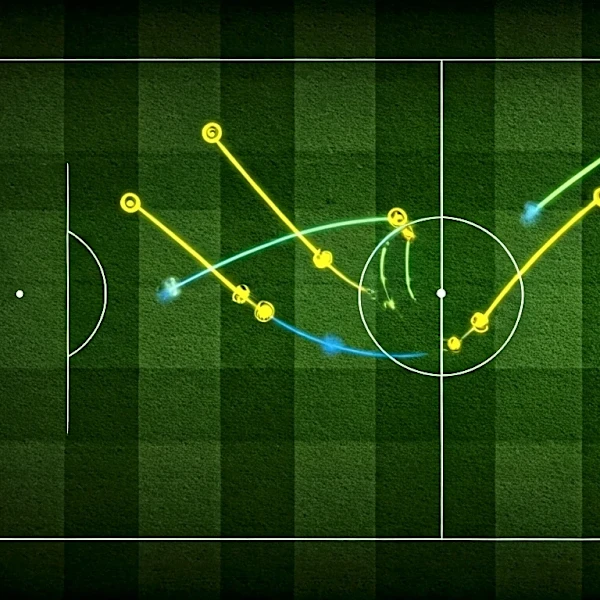
The most chaotic—and often decisive—moments in a match happen in the seconds it takes for a team to switch from its attacking shape to its defensive one, and vice-versa. This is called the “transition.” A team that is slow to get back into its defensive shape after losing the ball is vulnerable to a devastating counter-attack. Conversely, a team that can instantly switch from a compact defensive block to an expansive attacking formation can catch its opponent out of position. This is the essence of coaching philosophies like “gegenpressing,” popularized by managers like Jürgen Klopp, which involves pressing opponents immediately after losing possession to win the ball back high up the field before the other team can get organized. It turns the defensive transition into an attacking weapon.