






A Haircut Rooted in Rebellion
Before the 1920s, long hair on women wasn't just a style; it was a societal expectation symbolizing femininity and modesty. Cutting it was an act of defiance. The bob's rise to fame is tied to pioneering women who broke from tradition. While actress Irene
Castle accidentally popularized her "Castle Bob" in 1915 after an appendectomy, the style truly exploded with the flappers of the Roaring Twenties. For these women, bobbing their hair was a radical declaration of independence. Fresh off gaining the right to vote and entering the workforce during World War I, they shed the heavy, restrictive styles of the Victorian era for a look that was practical, modern, and unapologetically bold. It was a visible sign that they were claiming control over their lives and identities, a statement of equality that horrified the establishment and empowered a generation.
The Bob's Evolution Through the Decades
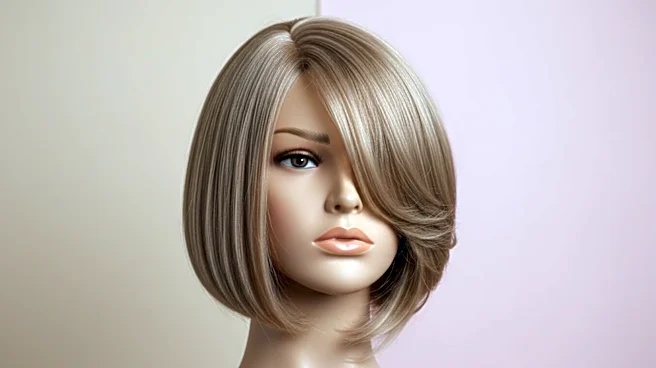
The bob never really went away; it just kept reinventing itself. In the 1960s, it re-emerged with a futuristic edge thanks to hairstylist Vidal Sassoon. His geometric, five-point cuts on figures like fashion designer Mary Quant were revolutionary, freeing women from the high-maintenance, roller-set styles of the 50s. The Sassoon bob was wash-and-wear art, a low-maintenance look that perfectly suited the era's social and sexual revolution. The style took on a grittier, edgier feel in the 80s and 90s, seen on everyone from punk rockers to Uma Thurman in "Pulp Fiction." The 2000s saw the rise of the sleek, angled "Pob" (Posh Spice bob), which became a symbol of sharp, confident professionalism. Each era adapted the bob to reflect its own definition of modernity, proving its timeless versatility.
Finding Your Perfect Bob: A Practical Guide
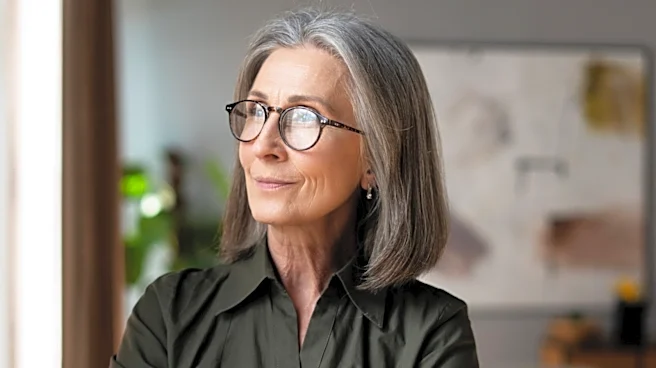
Beyond its rich history, the bob is one of the most versatile cuts available. Finding the right one is about balancing your face shape and hair texture. For those with oval faces, nearly any bob will work, from a classic chin-length cut to a shaggier, layered style. Round faces benefit from bobs that create angles and elongate the face, like an A-line or an asymmetrical cut that's longer in the front. If you have a square face, softer styles with wispy layers or waves can soften a strong jawline. Heart-shaped faces are beautifully balanced by chin-length bobs that add volume around the narrower jaw. Don't be afraid to consider texture, either. A curly bob adds softness and bounce, while a sharp, blunt cut delivers a powerful, modern statement.
The Psychology of the Big Chop
The feeling that a new haircut can change your life isn't just a myth; it's a psychological phenomenon. Making a significant change to your appearance, especially cutting your hair, can provide a sense of control and renewal, particularly after a major life event or during a period of stress. It's an immediate, visible result of your own decision-making, which can be incredibly empowering when other aspects of life feel uncertain. For many, cutting hair short is a symbolic shedding of the past—a way to release old identities and embrace a new chapter. This act connects modern women directly to the bob's rebellious roots: it’s a personal declaration of freedom, confidence, and the power to define yourself on your own terms.