



More Than Just Old Movies
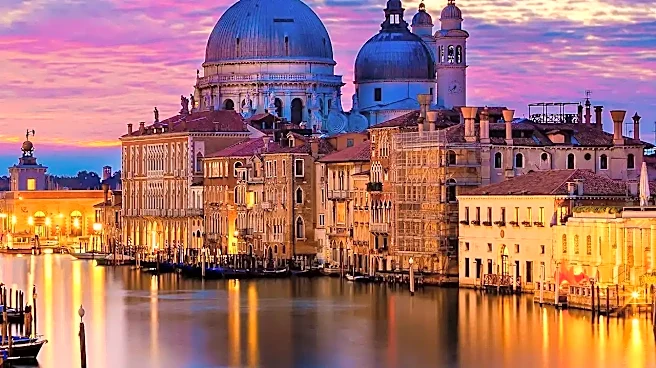
Each year, the Venice Film Festival carves out a special section called Venice Classics, dedicated to screening newly restored versions of cinematic masterpieces from around the globe. This isn't just about nostalgia; as festival director Alberto Barbera
notes, the goal is to nourish the cinema of tomorrow with the lifeblood of the past. It provides a major platform for film archives and studios to showcase painstaking work that brings classics back to life. But the moment a restorer decides to clean up a frame of film, they face a crucial philosophical question that splits the film world: what exactly are you trying to save? The original object, or the original experience?
The Purist's Case for 'Original Grain'
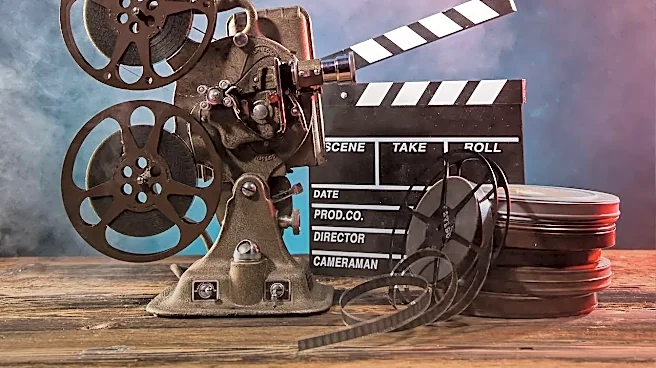
For one side of the debate, the answer is clear: preserve everything. That includes the film grain, the random texture of tiny particles in the film emulsion that is an inherent part of the image. This isn't digital noise or an imperfection; it's the very fabric of the movie, like the brushstrokes on a Monet. Proponents of this approach argue that removing this grain with digital tools—a process called Digital Noise Reduction (DNR)—is like sandblasting a vintage piece of furniture. You might get a smoother surface, but you strip away the character and texture that made it unique. Directors like Christopher Nolan and Quentin Tarantino continue to shoot on film specifically for this textured, organic look. For the purists, the goal is archival: to preserve the film as it was created, limitations and all, for historical accuracy.
The Modernist's Push for 'Digital Polish'
The other camp argues that restoration should focus on recapturing the feeling of seeing the film on its opening night. They contend that audiences in the 1950s weren't admiring the film grain; they were lost in the story. Today's digital tools allow restorers to remove scratches, stabilize shaky frames, and correct color fading that has occurred over decades. Martin Scorsese, a passionate advocate for film preservation through his Film Foundation, has spoken about how digital cleanup makes the actors' faces and performances come to life again. For these modernists, the goal isn't to create something new, but to remove the accumulated damage of time, effectively wiping the dust off a masterpiece so it can be appreciated by a new generation accustomed to pristine high-definition images.
When Digital 'Improvement' Goes Wrong
The debate intensifies because digital polishing can easily go too far. Overly aggressive DNR can scrub away not just grain, but fine detail, making actors appear waxy and unnatural, almost like plastic figures. Early Blu-ray releases of films like Terminator 2 and The Lord of the Rings trilogy faced criticism from fans for this very reason, with some arguing the digital scrubbing made the films look artificial and, in some ways, worse than previous versions. It’s a fine line between cleaning a film and changing its fundamental aesthetic. The fear is that in an attempt to make a film look “perfect,” restorers will erase the very film-ness that gave it its soul.
Finding a Middle Ground
Increasingly, the answer isn't a stark choice between film and digital, but a hybrid approach. Many of today's best restorations use a combination of photochemical and digital processes. A film is scanned at high resolution, digital tools are used to meticulously repair specific damages frame by frame, and then a decision is made on how much grain to leave in or even re-apply to ensure the final product feels authentic. The involvement of the original director, if possible, can help guide these choices, though that can introduce its own controversies if a director decides to revise their past work. Ultimately, the passionate debate itself is a sign of health—a signal that our cinematic heritage is valued not as a dusty relic, but as living art worthy of fierce protection and careful consideration.