



It's All About the Timing
In the world of Oscar campaigns, which are grueling, months-long marketing marathons, timing is everything. A film can’t peak too early, or the buzz will fade by the time Academy members cast their votes. It also can’t arrive too late, or it will get
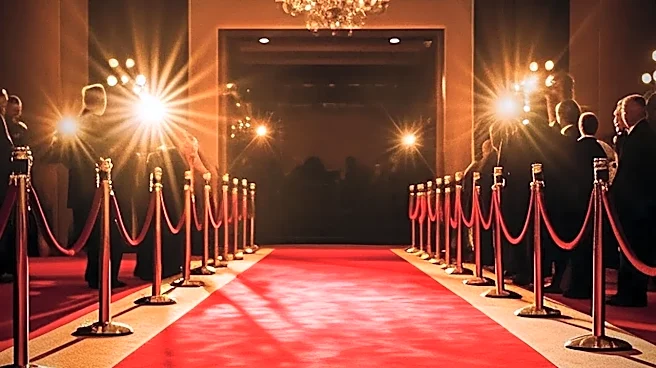
lost in the holiday season shuffle. The Venice Film Festival, which kicks off in late August or early September, occupies the strategic sweet spot. It’s the first major autumn festival, allowing a film to premiere to a global audience, generate critical praise, and set the media narrative before its rivals even get out of the gate. This initial wave of excitement is designed to carry a film through subsequent festivals in Telluride and Toronto, and then into the heart of awards season. A strong debut on the Lido ensures a contender is part of the conversation from the very beginning.
A Legacy of Prestige Money Can't Buy
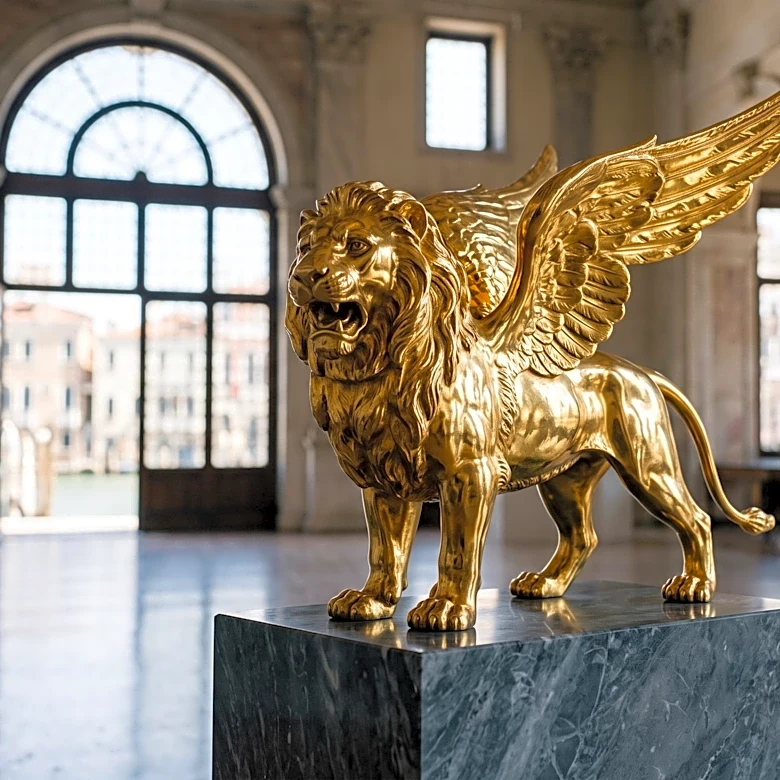
Founded in 1932, the Venice Film Festival is the oldest in the world, a fact that lends it an air of historical importance that newer festivals can't replicate. This legacy creates a powerful halo effect. A premiere at Venice isn't just a screening; it's an anointment. The festival has long celebrated international cinema as a high art form, a value system that aligns perfectly with the Academy's increasing recognition of auteur-driven films. While its early years were complicated by political influences that even led to the creation of Cannes as an alternative, Venice re-established its artistic credibility after World War II, introducing the prestigious Golden Lion award in 1949. Winning—or even just being selected for—this historic festival signals to the industry that a film is a serious work of art, not just commercial entertainment.
The Kingmaker Effect in Action
The proof of Venice's influence is in the long list of films that started their journey on the Lido and ended it on the Oscar stage. Festival director Alberto Barbera points to the 2013 premiere of "Gravity," which went on to win seven Oscars, as a turning point that solidified Venice's status as an awards launchpad. The trend has only accelerated since. Best Picture winners like "Birdman" (2014), "Spotlight" (2015), "The Shape of Water" (2017), and "Nomadland" (2020) all had their world premieres at Venice. The festival also launched major acting and directing campaigns for films like "La La Land," "Joker," and "Poor Things." This consistent track record has created a self-fulfilling prophecy: studios now strategically bring their most ambitious, awards-focused films to Venice, knowing it's their best shot at generating the initial momentum needed for a successful Oscar run.
Setting the Narrative for a Global Audience
Venice doesn't exist in a vacuum. It serves as the opening act for the critical fall festival season, often followed in quick succession by the Telluride and Toronto International Film Festivals (TIFF). While Telluride offers an exclusive, boutique setting and TIFF boasts a massive public audience and media presence, Venice provides the glamour and critical seal of approval that sets the initial tone. A film that lands well in Venice arrives in North America with pre-existing buzz, making it an instant must-see for critics and industry voters. Furthermore, as the Academy of Motion Picture Arts and Sciences has expanded its membership to be more international, a European premiere has become more strategically valuable than ever. A film celebrated in Venice demonstrates global appeal, a key ingredient for success with the modern, diverse body of Oscar voters.