
The 60th Annual CMA Awards was a night of big wins and fresh faces, with Ella Langley dominating the winner’s circle. Yet, it was the show’s established titans, Tim McGraw and Miranda Lambert, who delivered its most resonant moments.
A Night for the New Guard
Hosted for a third
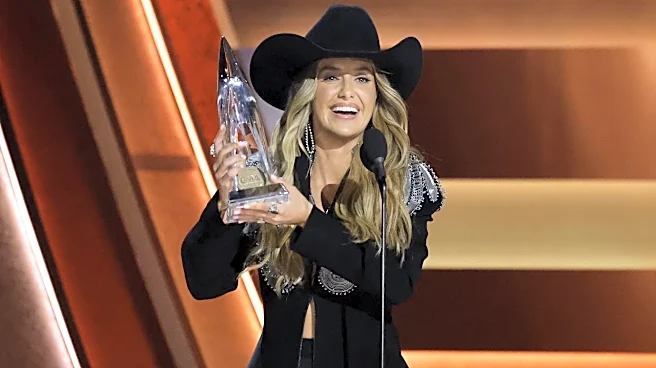
consecutive year by the ever-charismatic Lainey Wilson, the 2026 ceremony felt squarely focused on the future. The night’s top nominee, Ella Langley, turned her impressive nine nominations into a history-making sweep, capping a phenomenal year and cementing her status as one of country's brightest new stars. With other rising talents like Zach Top and Tucker Wetmore also taking the stage, the broadcast seemed intent on showcasing the genre's evolution. The message was clear: a new generation has arrived and is ready to lead. But in a show celebrating six decades of country music, the past had something powerful to say.
Tim McGraw's Masterclass
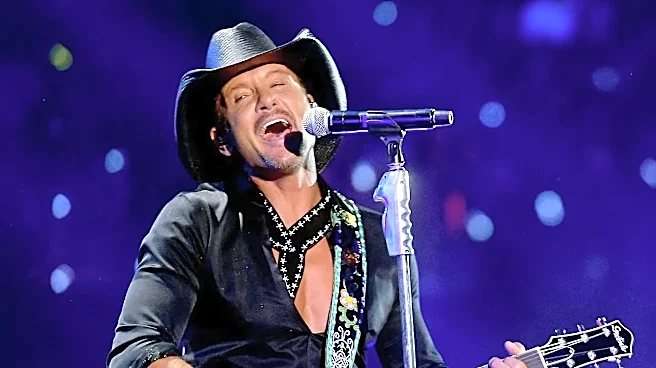
Fresh off his induction into the Country Music Hall of Fame, Tim McGraw took the stage not just as a performer, but as a living embodiment of country music history. Celebrating his 40th career CMA nomination, he delivered a performance that served as a masterclass in stage presence and enduring artistry. Rather than relying on flashy production, McGraw commanded the arena with a medley of his biggest hits, including the emotionally charged 'Live Like You Were Dying'. The performance was a powerful reminder of his three-decade career, connecting the '90s country boom—an era the show was deliberately celebrating—with the present moment. In a night focused on what's next, McGraw’s set was a grounding force, proving that true star power is timeless.
Miranda Lambert's Unwavering Fire
Not to be outdone, Miranda Lambert, the most nominated female artist in CMA history, brought her signature fire and flair. With a record-extending 70 career nominations under her belt, her performance was less a victory lap and more a declaration of continued dominance. She lit up the stage with a fiery rendition of a fan-favorite, reminding everyone why she remains one of country's most vital and compelling artists. Her presence was particularly poignant; Lambert helped produce some of Ella Langley's breakthrough work, bridging the gap between her own generation of hitmakers and the new class. It was a moment that showed her influence not just as a performer, but as a mentor shaping the genre's sound.
Why Nostalgia Won the Night
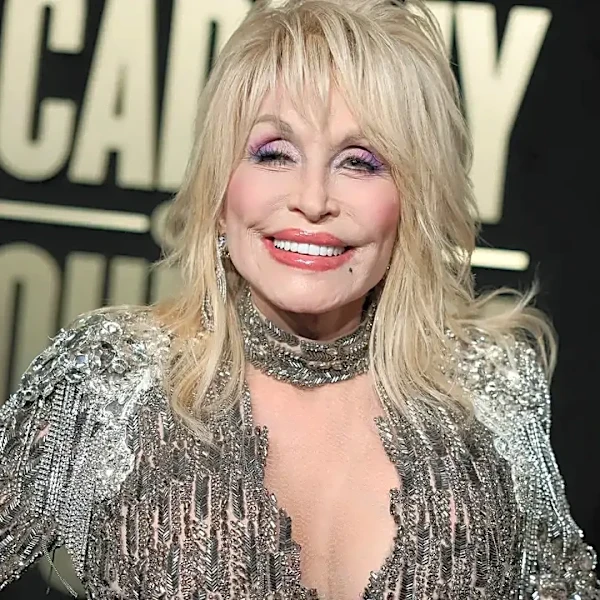
So why did these performances resonate so deeply? It wasn't just about hearing familiar songs. In a year of rapid change, the presence of McGraw and Lambert provided a sense of stability and authenticity. Their sets were built on masterful storytelling, emotional depth, and an undeniable connection with the audience that can only be honed over decades. This year’s show intentionally nodded to the genre's history, with a special tribute to the late Dolly Parton and an emphasis on the influential '90s era. In that context, McGraw and Lambert weren't just legacy acts; they were the connective tissue, linking the genre’s foundational artists with the stars of tomorrow. They proved that while trends come and go, a great song performed with heart is forever.