


The Guest Verse as a Trojan Horse
A killer guest verse is hip-hop's ultimate cheat code. It's a direct-to-consumer audition in front of another artist's established fanbase. For the price of a single feature, a rapper can showcase their lyrical skill, charisma, and unique style on a track
that's already poised for success. Think of it as a Trojan Horse; the song gets listeners to open the gates, but the memorable verse inside is what conquers their attention. The history of rap is filled with these moments. Kendrick Lamar’s verse on Big Sean’s “Control” was so seismic it’s remembered more than the song itself, putting the entire industry on notice. Similarly, Lil Wayne built a whole era of his career, the 'Mixtape Weezy' phase, by hopping on countless tracks and consistently delivering standout performances that made him impossible to ignore. A great feature doesn't just add to a song; it can hijack the narrative, spark debate, and make a rising artist the main character, even if their name isn't at the top of the title.
Mastering the 20-Minute Opening Set
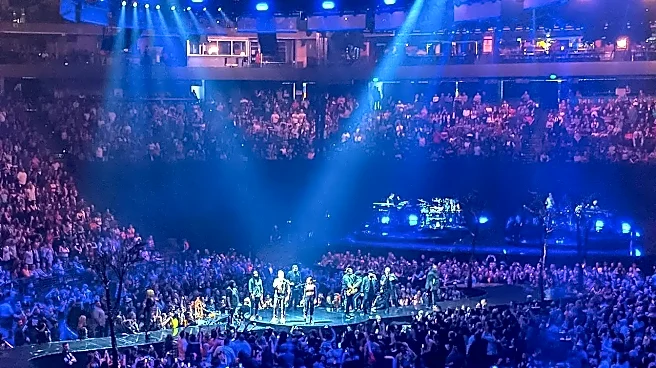
Being an opening act isn't a consolation prize; it's a high-stakes opportunity. You have a captive audience—there to see someone else—and a short window to make an impression. The smartest rising artists don't treat it like a miniature version of a headlining show. Instead, they curate a short, high-energy set designed to create one or two unforgettable moments. The goal isn't to play all their B-sides; it's to deliver a concentrated blast of charisma and talent that leaves the crowd asking, "Who was that?" An opener’s job is to energize the audience and build anticipation. This means a performance needs to be tight, engaging, and memorable. Meek Mill’s explosive intro track “Dreams and Nightmares” became so iconic for its dramatic beat switch and raw energy that it functions as a perfect blueprint for an opening act: start with a story, then unleash chaos. By focusing on peak energy over a long-winded introduction, an opener can effectively steal a slice of the headliner's spotlight and convert curious onlookers into new followers.
The Digital Pre-Show and Afterparty
Long before the stage lights hit, and long after they dim, the real work is happening online. Today’s rappers build momentum by creating a whole universe around their music through social media, mixtapes, and consistent content. This strategy allows them to cultivate a loyal fanbase independent of any tour or official release schedule. Artists can use platforms to share freestyles, behind-the-scenes footage from the studio, or snippets of upcoming tracks, keeping their audience engaged and invested. This constant stream of content creates a sense of community and makes fans feel like they are part of the journey. Free mixtapes or EPs, a foundational element of hip-hop, serve as a low-risk way for listeners to dive into an artist's world. By the time that artist appears on a festival bill or as an opener, they aren't starting from zero; they're activating a digital fanbase that's ready to show up in real life.
Winning the Side Stage at a Festival
A massive festival lineup can be overwhelming, with dozens of artists competing for attention. For an up-and-coming rapper, a 2:00 PM slot on a side stage might seem minor, but it's a golden opportunity. While the main stage draws the masses, smaller stages offer a more intimate setting where an artist can connect directly with curious festival-goers and industry professionals. Success here isn't about having the biggest crowd; it's about having the most engaged one. Artists who thrive in these environments know how to stand out visually and sonically, creating a performance that feels like a discovery. Many seasoned festival attendees actively seek out undercard acts, hoping to find their next favorite artist before they blow up. By delivering a polished, high-impact performance and following up with strong social media engagement, an artist can turn a 30-minute set into a career-building campaign that generates more genuine buzz than a fleeting main-stage appearance.