




More Than a Movie, It's a Pilgrimage
For a certain kind of movie lover, the annual return of classic horror films to theaters is less a programming gimmick and more a seasonal pilgrimage. While streaming offers endless convenience, it can't replicate the intentionality of buying a ticket,
settling into a dark room with strangers, and surrendering to a film you know by heart. This isn't just about watching a movie; it's about participating in an event. The tradition often involves specific theaters, from local arthouses to major chains that lean into the Halloween spirit. These screenings transform a simple movie night into a shared cultural moment, a space where fans can celebrate the stories that shaped their love of the genre. It’s a deliberate act of community, reinforcing social bonds through a shared appreciation for the macabre. The entire experience, from the anticipation to the post-movie discussion, becomes part of the ritual itself.
The Unmatched Power of the Big Screen
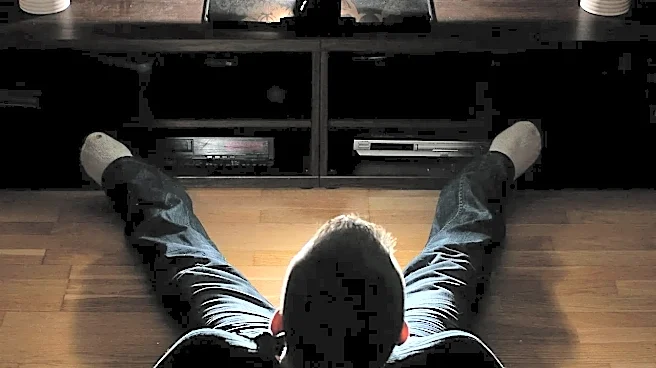
Horror is a genre uniquely amplified by the theatrical experience. The booming, immersive sound design makes every floorboard creak and jump scare feel more potent. The massive screen engulfs your vision, leaving no corner of your brightly lit living room to offer a comforting distraction. Directors use tilted camera angles, extreme lighting, and distorted space to create unease, and these techniques are most effective in a theater designed for total immersion. The difference between watching a classic slasher at home and in a packed theater is the difference between looking at a postcard of a storm and actually being in one. The controlled environment of a theater allows viewers to confront anxieties in a safe space, providing a sense of psychological relief and catharsis that's harder to achieve alone.
The Psychology of Screaming Together
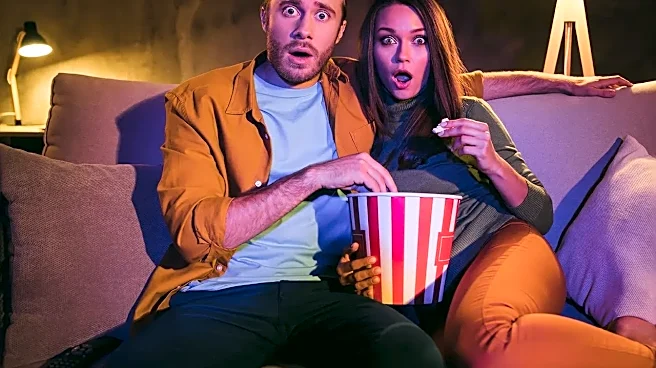
There's a powerful psychological component to communal fear. When you're surrounded by people who are all there for the same reason, screaming isn't just acceptable—it's expected. This social contract allows for a more authentic, uninhibited reaction. Scientists refer to this as emotional contagion; our mirror neurons fire when we see and hear others react, amplifying our own feelings of fear and excitement. A jump scare that might make you flinch on your couch can cause an entire auditorium to levitate. This shared emotional release creates a feedback loop of fear, making the experience more intense for everyone involved. It fosters a palpable sense of camaraderie and relief when the lights come up, turning individual anxiety into a collective adventure.
A Different Kind of Nostalgia
While nostalgia is a huge driver, this trend isn't just about reliving the past. For many, it's about experiencing these films in a new context. Parents who grew up watching horror on VHS are now introducing their children to the genre in a theater. Younger viewers, with no firsthand memory of the original releases, are drawn to the grainy textures and practical effects of retro horror as an authentic alternative to polished, modern blockbusters. Anniversary screenings, often featuring restored 4K versions and new bonus content, give fans a reason to see a familiar film in a fresh light. It’s a way for studios to capitalize on their back catalogs, but for fans, it's a chance to see a movie they love as it was originally intended—or maybe even better.