





From Setting to Sentient Being
For decades in cinema, the ocean was a stage. It was the terrifying, indifferent backdrop for a shark attack in Jaws, the obstacle in The Perfect Storm, or the watery grave in Titanic. It was powerful, yes, but passive. In recent years, however, storytellers
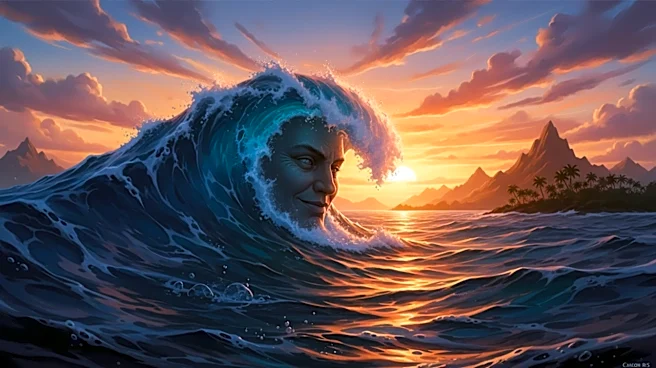
have started to give the ocean agency. The most prominent example is in Disney’s Moana, where the Pacific Ocean is a full-fledged supporting character. It has a personality, makes decisions, and physically interacts with the protagonist, Moana, using a high-five-giving tendril of water. This is a fundamental shift. When the ocean itself has a will, it changes the rules of the story. A hero isn't just surviving a storm; she is potentially arguing with the entity that is creating it. This elevates the narrative from a simple conflict of person vs. nature to a more complex interplay of person vs. personified nature.
Tapping into Primordial Myths
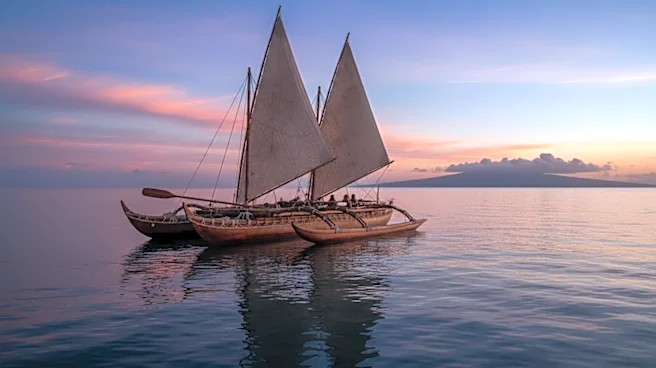
Giving the ocean a personality isn't a new invention; it's a modern reboot of one of humanity's oldest ideas. Nearly every ancient culture had a sea god. The Greeks had the temperamental Poseidon, the Norse feared the giant Ægir, and Polynesian mythology, which heavily inspired Moana, is rich with ocean deities like Tangaroa. These weren't just abstract concepts; they were explanations for the sea's dual nature—a source of life and a bringer of destruction. When a filmmaker decides to make the ocean a character, they are tapping into this deep, collective well of mythology. The narrative stakes become immense. The story is no longer just about a single character's journey; it’s about mortals interacting with a primordial force. This gives the plot a sense of epic, timeless scale that a simple human-to-human conflict can rarely achieve.
The Narrative Risks and Rewards
Of course, this creative choice is a gamble. The reward is a story with an awe-inspiring, elemental force as a player. In James Cameron's The Abyss, the non-terrestrial intelligence manifests as a sentient water tentacle, a moment of breathtaking wonder and fear. The creature is alien yet familiar, using the very substance of the deep ocean to communicate. The risk, however, is that it can fall flat, feeling silly or narratively convenient. Why does the ocean help Moana but let countless others drown? The film addresses this by suggesting the ocean “chose” her, an act that gives it motivation. Without that justification, a helpful ocean could feel like a lazy plot device. The line between a believable, mythic being and a silly CGI creation is incredibly thin, and a misstep can shatter the audience's suspension of disbelief.
A Character for Our Anxious Times
It’s likely no coincidence that the personified ocean is appearing more frequently in an era of widespread eco-anxiety. Treating the ocean as a living entity is a powerful way to dramatize our relationship with the environment. An ailing or angry ocean becomes a potent metaphor for the real-world consequences of pollution and climate change. In films like Avatar: The Way of Water, the sanctity of the ocean's life is a central theme, positioned against human exploitation. Even monster movies can be seen through this lens; a giant creature rising from the depths often symbolizes nature’s pushback against humanity's arrogance. By giving the ocean a voice—whether through a gentle, guiding wave or a terrifying monster—storytellers are reflecting a growing cultural sense that the natural world is not a passive resource to be exploited, but an active participant in our collective story, with its own needs and a breaking point.