



First, Know the Ascot Rules
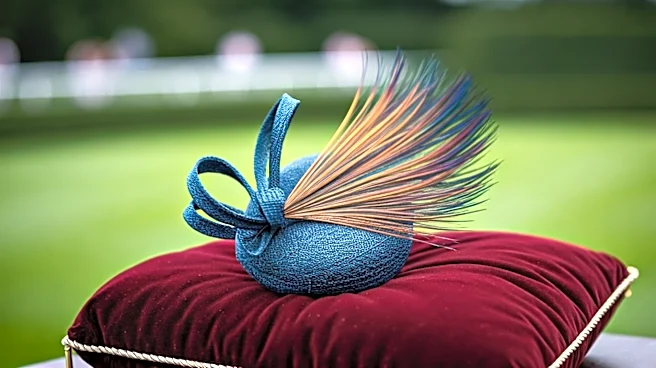
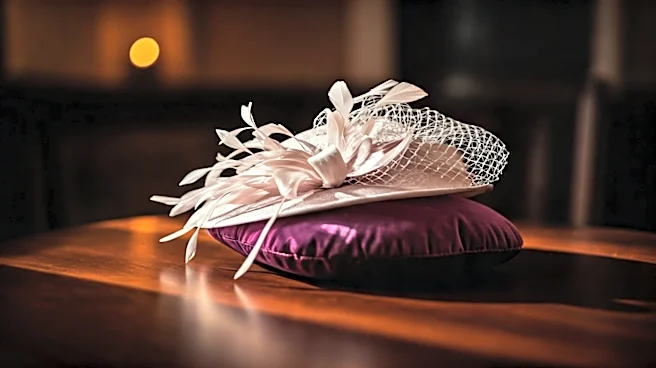
Before you fall in love with a gravity-defying sculpture, understand the specific dress code for your enclosure. The Royal Enclosure is the strictest, requiring hats or headpieces with a solid base of 4 inches (10cm) or more in diameter. Other enclosures
are more relaxed, allowing fascinators. Knowing these rules is your first step; it prevents the disappointment of choosing an item you can’t wear. This isn't just about compliance—the rules help define the formal, elegant aesthetic of the event. A beautiful hat that meets the code is the foundation of a successful Ascot look.
Updo or Hair Down? Let the Hat Decide.
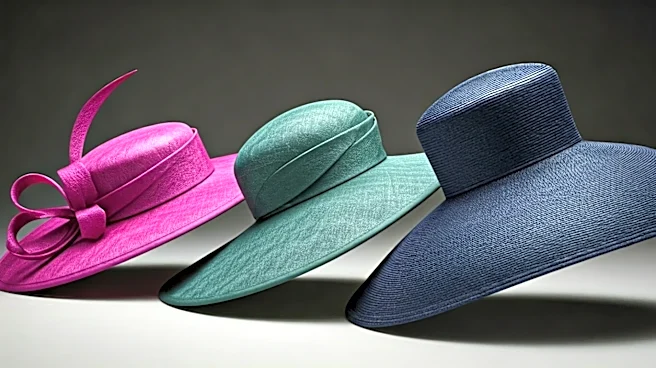
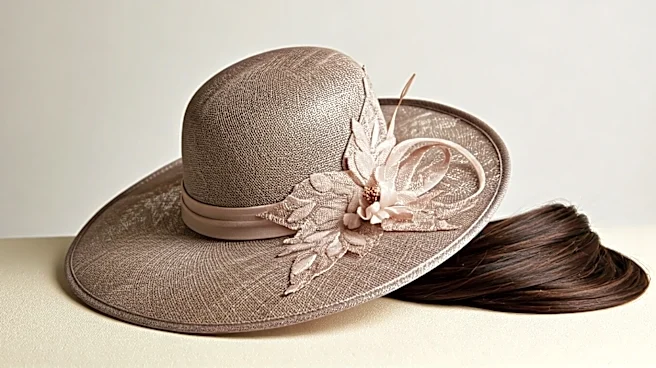
The golden rule is one of balance. If you’re wearing a large, wide-brimmed hat, a sleek low bun, a simple chignon, or a neat ponytail at the nape of the neck is your best friend. These styles anchor the look, keep you cool, and prevent your hair from competing with the hat’s dramatic silhouette. Conversely, if you opt for a smaller, angled headpiece—a disc fascinator or a 'percher' hat—you have more freedom. Soft waves, a side-swept style, or even a polished, voluminous blowout can beautifully frame the face without being overwhelmed by the headwear. Avoid high top-knots or voluminous crowns, as they will almost certainly interfere with how the hat is supposed to sit.
Work With Your Hair Type, Not Against It
Different hair textures present unique challenges and opportunities. For those with fine hair, a common concern is the hat slipping or the hair being flattened. A discreetly placed headband or hat elastic can be a lifesaver for security. Ask your milliner to add one if it doesn't have one already. You can also add texture with styling products or a gentle tease at the crown to create a better grip. For thick or curly hair, the goal is to manage volume. A sleek, well-secured style prevents the hair from 'growing' and pushing the hat out of place during the day. Consider styles that gather the hair away from the face, allowing the hat to be the star while preventing a halo of frizz from forming in the summer humidity.
The Art of Placement and Security
How a hat is positioned is crucial. Most statement hats and fascinators are designed to be worn at a slight angle, typically tilting down over one eye. This creates an elegant, dynamic line. When you try on a hat, determine its 'correct' side—it’s not always symmetrical. Once you have the placement, security is next. Many headpieces come with a built-in comb or elastic. The elastic should be worn behind your ears and tucked under your hair at the nape of your neck, not under your chin. For extra hold, especially with updos, use U-shaped hairpins (not bobby pins) that match your hair color. Slide them through the hat's base or comb and into your hair, anchoring the piece securely without causing damage or tension headaches.
The Trial Run Is Not Optional
Never, ever make race day the first time you wear your hat and hairstyle together. A full dress rehearsal is essential. Put on your outfit, do your hair and makeup, and position the hat exactly as you plan to wear it. Wear it around the house for at least an hour. Does it feel secure? Is it comfortable? Does it start to slip or give you a headache? This trial run gives you the chance to make adjustments, such as adding an extra pin, tightening the elastic, or slightly changing the hairstyle for better support. It’s the single most important step to ensuring you look—and feel—effortlessly chic from the first glass of champagne to the last race.