



The Allure: Why Everyone Wants Them
First, let's be clear: when they work, they really work. Wispy bangs offer a way to dramatically change your look without a high-commitment, full-fringe chop. They can soften facial features, draw attention to the eyes, and even cover forehead wrinkles,
offering a subtle anti-aging effect. Unlike heavy, blunt bangs that can feel severe, a wispy fringe feels light, airy, and versatile. Proponents argue they flatter most face shapes and are easier to grow out, making them a perfect entry point for the bang-curious. Some stylists believe that with the right cut and attitude, nearly anyone can pull them off.
The First Disagreement: Hair Type and Texture
Here's where the debate begins. The success of wispy bangs is hugely dependent on hair type. For those with fine, straight hair, a light, feathered fringe can add shape and the illusion of fullness. But for clients with very thick hair, stylists have to be careful, often using internal layering to prevent the bangs from looking heavy or bulky. On the flip side, some stylists find that very fine hair can make wispy bangs look limp and require extra styling with products like texturizing spray or dry shampoo to maintain volume. Curly hair adds another layer of complexity; while possible, it requires a stylist who understands how to cut for curl patterns and a client willing to put in extra styling time.
The Great Maintenance Debate
One of the most significant points of contention is maintenance. You'll find articles and stylists who swear wispy bangs are low-maintenance, requiring just a quick blow-dry or even a simple finger-tousle. They are often seen as a less stressful affair compared to blunt bangs. However, other experts caution that this is a myth. Because bangs rest on the forehead—one of the oiliest parts of the face—they can get greasy quickly and require more frequent washing or a heavy reliance on dry shampoo. They also need trims every two to three weeks to keep them from poking you in the eyes, a commitment not everyone is ready for.
The Face Shape Factor
While many claim wispy bangs are universally flattering, some stylists disagree, arguing that face shape is critical. For square or angular faces, a soft, wispy texture is a dream, as it can soften a strong jawline. Oval faces are considered the most versatile and can typically handle any style. However, for round faces, some stylists might steer clients away from a straight-across wispy fringe and toward a more angled, side-swept version to avoid emphasizing fullness. For heart-shaped faces, longer, curtain-style wispy bangs are often recommended to balance a wider forehead. The disagreement isn't about whether they can be worn, but whether they are the most flattering option available.
The Stylist's True Dilemma
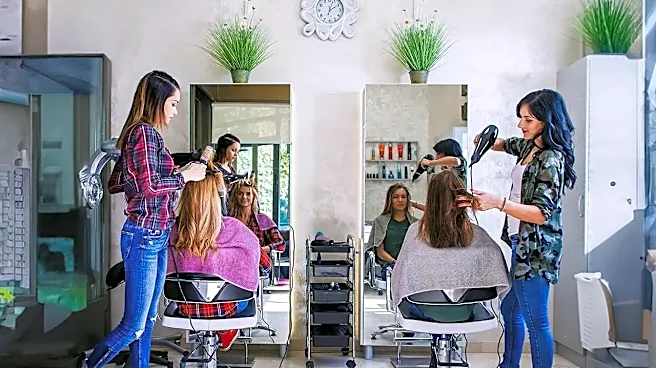
Ultimately, the “real reason” for the disagreement isn't about the bangs themselves, but about managing client expectations. A good stylist's job is to find the intersection of what a client wants and what will realistically work for their hair, face, and lifestyle. Some stylists are hesitant to cut bangs because they know the client may not be prepared for the daily styling commitment. They've seen the regret that follows an impulsive decision and want to save their clients from the awkward grow-out phase. Others believe in empowering clients to try new things, trusting that the client understands the upkeep involved. This professional tension—between giving the client the trendy cut they asked for and providing the practical cut that will make them happy weeks later—is the true heart of the wispy bangs debate.