






The Anatomy of Pressure
A penalty shootout isn't just a test of skill; it's a battle of minds. After 120 minutes of grueling play, exhausted players are asked to perform a precise technical action under the weight of global expectation. Research shows that while players convert
around 85% of penalties in normal time, that number drops significantly in a shootout. Psychologists point to "loss aversion," a concept where the fear of losing feels more powerful than the joy of winning. When a player must score to keep their team in the tournament, the success rate can plummet below 60%. This immense pressure is why even the world's biggest stars can falter. The walk from the halfway line, the deafening noise, and the knowledge that a single mistake can undo years of work all combine to make it one of the most mentally taxing situations in all of sports.
The Moment That Defines a Career
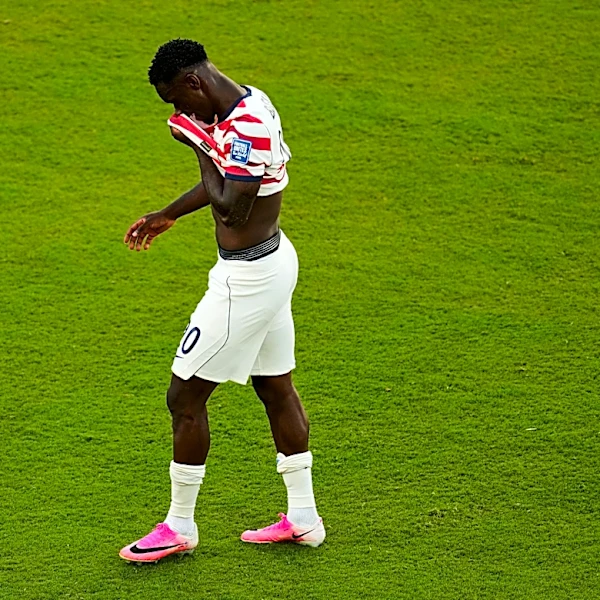
No player is more synonymous with this phenomenon than Roberto Baggio. At the 1994 World Cup final in the Rose Bowl, Baggio had been Italy's hero, single-handedly dragging them through the knockout rounds. But after a 0-0 draw with Brazil, the final came down to penalties. When Baggio stepped up, needing to score to keep Italy's hopes alive, he sent his shot over the crossbar. The image of him standing motionless, head bowed in despair as Brazil celebrated, became one of soccer's most enduring and heartbreaking moments. He later called it "a wound that never closes." Although another Italian teammate had also missed, Baggio's miss was the final, decisive one, and it unfairly overshadowed a brilliant career. The incident is often referred to as 'the man who died standing'.
Villains, Scapegoats, and the Narrative Machine
A penalty miss doesn't just lose a game; it creates a villain. The aftermath is a brutal combination of fan anger and relentless media coverage that solidifies a narrative. England, a nation with a historically fraught relationship with shootouts, knows this well. Chris Waddle's sky-high miss against West Germany in 1990 began a long line of English penalty heartbreak. Years later, Gareth Southgate's saved penalty at Euro '96 against the same opponent haunted him for decades, a moment he said will always live with him. The narrative isn't always about a simple miss, either. In the 2008 Champions League final, Chelsea captain John Terry had a chance to win the trophy for his club. He slipped on the rain-soaked Moscow pitch, hitting the post. The moment was made more complex by later claims from teammate Claude Makelele that Terry had disrupted the agreed-upon penalty order to take the glory kick himself. This context adds another layer to how history remembers the miss—not just as an accident, but as a moment of hubris punished by fate.
The Rare Path to Redemption
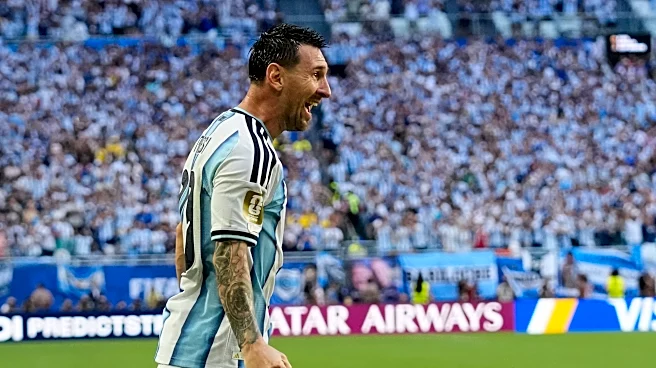
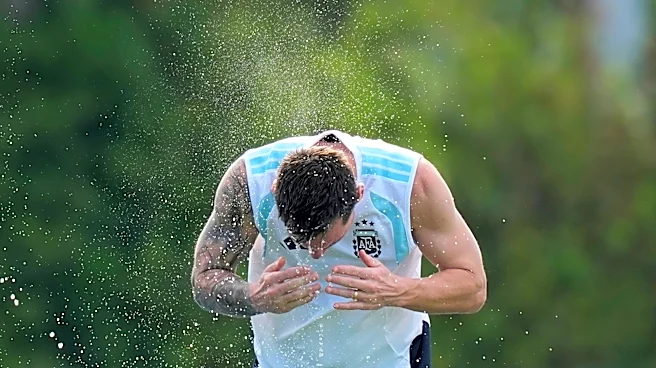
Escaping the shadow of a career-defining miss is incredibly difficult. For every Baggio or Waddle, whose legacies are permanently intertwined with that one kick, there are few clear-cut stories of redemption. Often, the best a player can hope for is that time softens the memory, or that future achievements help rebalance their story. The pressure can be so intense that it has a lasting impact. After his miss, Baggio's goal-scoring form dipped for several seasons. Lionel Messi, one of the game's greatest players, even briefly retired from international football after missing a penalty in the 2016 Copa América final shootout, the culmination of several final defeats for Argentina. While he eventually returned to lead his country to World Cup glory, his initial reaction showcased the devastating personal cost. The path back is long, and for many, the ghost of that one kick never fully disappears.