
A Sanctuary from the Spectacle
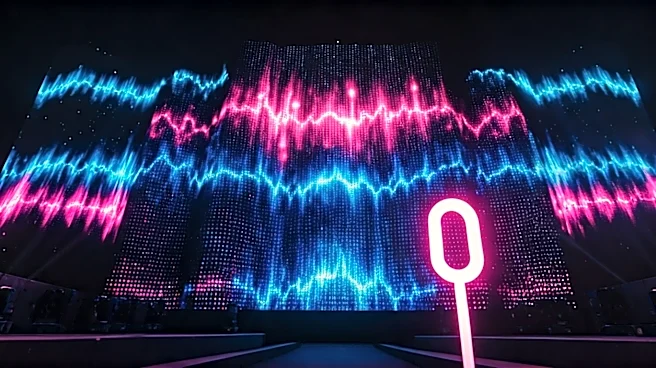
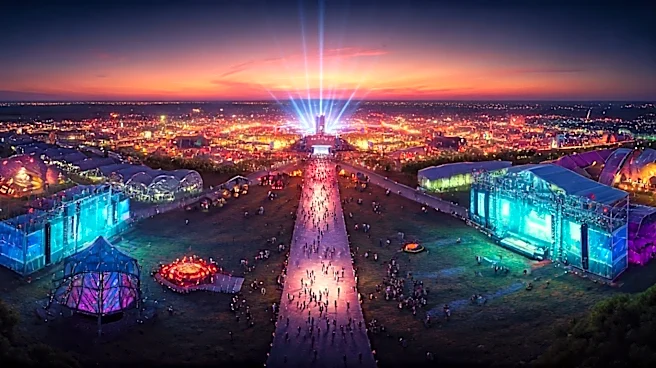
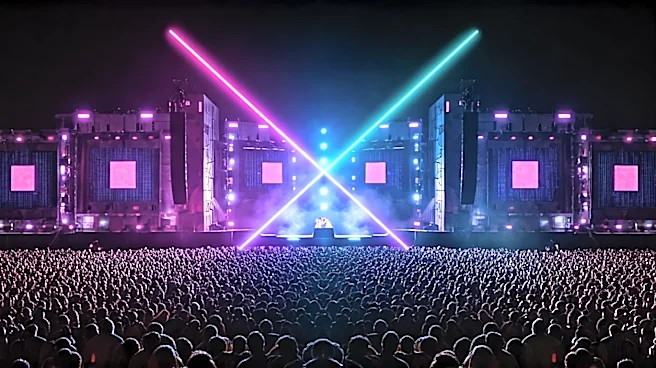
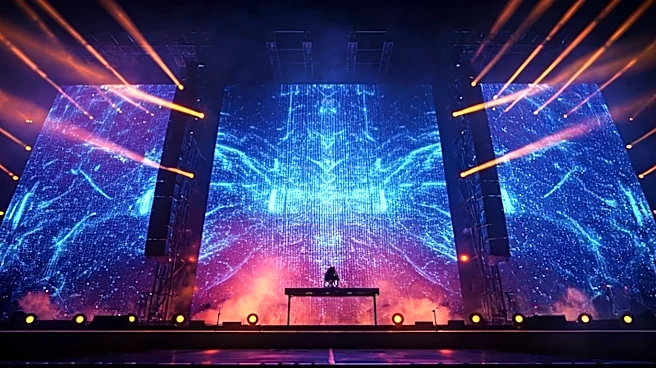
Walk away from the sprawling, open-air main stages of the Las Vegas Motor Speedway, and you’ll likely find your way to quantumVALLEY. For years, this has been EDC’s dedicated home for trance music. Often housed within a massive, enclosed tent, the environment
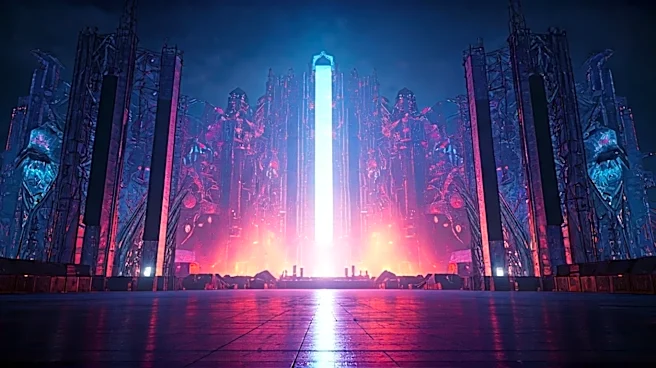
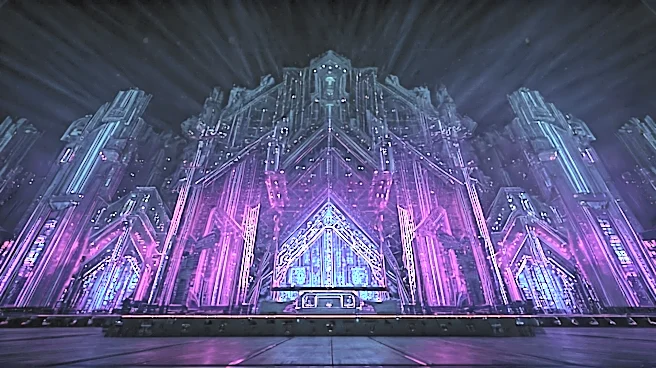
is immediately different. The outside world, with its competing soundscapes and seas of roving attendees, melts away. Inside, the focus is singular. The setup is less about overwhelming spectacle and more about total immersion. The air is thick with melody, the visuals are hypnotic, and the crowd is locked into a shared experience. This physical separation is key; it transforms a stage into a sanctuary. It’s a deliberate choice to create a space where the music isn't just background noise for a carnival, but the central, unifying force. In a festival designed to stimulate every sense at once, quantumVALLEY offers a space to focus on just one: the heart.
A Journey, Not Just a Drop
While much of modern electronic dance music is built on a cycle of tension and release—the build-up, the drop, the momentary explosion, repeat—trance operates on a different narrative principle. It’s a journey. A classic trance track unfurls over six, seven, or even eight minutes, developing complex melodic themes and emotional arcs. DJs who master the genre aren’t just playing songs; they are weaving them together into a seamless story that can last for hours. This structure demands more patience from the listener, but the payoff is profoundly different. Instead of a series of adrenaline spikes, trance offers a sustained state of euphoria. The gradual builds, the soaring synth lines, and the ethereal vocals are engineered to tap into something deeper. It’s music that encourages you to close your eyes and get lost, rather than just waiting for the next moment to jump.
The Pull of Purity and Legacy
In the ever-shifting landscape of electronic music, trends come and go with dizzying speed. Genres explode, fracture, and fade. Trance, however, possesses a powerful sense of history. It was the dominant sound of global dance floors in the late '90s and early 2000s, and for many veteran ravers at EDC, it’s the sound of their formative years. Artists like Armin van Buuren, Paul van Dyk, and Ferry Corsten are not just DJs; they are legacy acts who command decades of loyalty. This nostalgia is a potent force, but trance’s appeal isn’t purely retrospective. For younger fans, the genre offers an alternative to the commercialized, often aggressive sounds that dominate the charts. It represents a form of musical “purity”—a focus on melody, harmony, and emotion that feels timeless rather than trendy. It’s a connection to the foundational spirit of rave culture.
Collective Feeling Over Mainstream Hype
This is the source of trance’s “emotional authority.” Its power isn’t derived from Spotify plays, TikTok virality, or main stage billing. It comes from the deeply personal and intensely communal experience it creates. The term “trance family” isn’t just a marketing slogan; it’s a genuine descriptor for the bond shared by its fans. You see it in the knowing glances between strangers when a classic track drops, the hands held aloft in unison during a euphoric breakdown, and the feeling of collective catharsis on the dance floor. Trance isn't about being seen at the cool stage; it's about feeling something, together. In an environment as vast and potentially alienating as EDC, a genre that prioritizes this level of connection doesn’t need to shout to be heard. Its authority is quiet, confident, and felt in the hearts of every person who calls quantumVALLEY home for the weekend.