





Myth 1: 'Silky' and 'Satin' Mean It's Silk
Walk through any department store, and you'll find countless blouses labeled "silky" or "satin." This is one of the most common points of confusion. Satin is not a fiber; it's a type of weave with a glossy, smooth surface and a dull back. While silk can
be woven into satin, so can polyester. Many inexpensive "satin" blouses are 100% polyester, a synthetic material that doesn't breathe and lacks the unique properties of real silk. Genuine silk has a distinctive luster that changes with the light, unlike the flat, white shine of polyester. If the tag doesn't explicitly state "100% Silk," you're likely looking at a synthetic imitation.
Myth 2: A High Price Always Means High Quality
While a very low price is a red flag for authentic silk, a high price tag isn't a blind guarantee of quality. The cost of a silk blouse is influenced by several factors, not just the brand name. The most significant is the silk's "momme" weight. Momme (mm) is a Japanese unit of measurement that indicates the fabric's density and weight. A higher momme number means more silk was used, resulting in a more durable, opaque, and luxurious fabric. A blouse made from 12-16 momme silk will be sheer and delicate, while one made from 19-22 momme silk will have a richer feel, better drape, and longer lifespan, justifying a higher price. A blouse simply labeled "100% Silk" without a momme weight could be made from a low-grade, flimsy fabric.
Myth 3: All Silk Is the Same
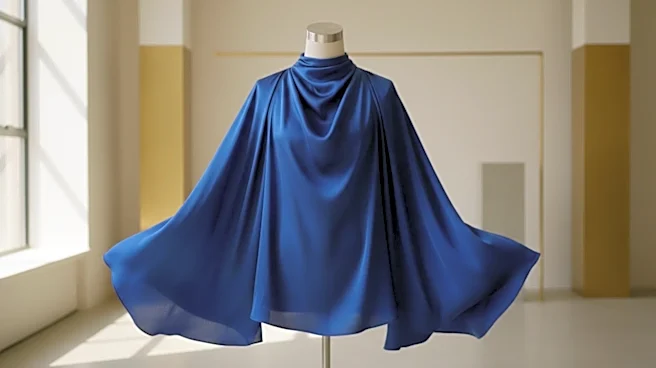
The term "silk" covers a range of fabrics with different textures and characteristics. The gold standard is Mulberry silk, produced by silkworms fed exclusively on mulberry leaves. This creates long, uniform, and strong fibers. However, silk can be woven in various ways to produce different fabrics. Charmeuse is the classic, shiny, fluid fabric many associate with silk gowns and blouses. Crepe de Chine has a more subtle, matte finish with a slight pebbled texture, making it very popular for blouses because it's less shiny and drapes beautifully. Other types include Habotai, Chiffon, and Twill, each with its own weight and feel. Understanding these differences helps you choose a blouse with the right look and feel for your needs.
Myth 4: Silk Is Fragile and High-Maintenance
Many shoppers treat their silk blouses like precious artifacts, reserving them for special occasions and defaulting to expensive dry cleaning. This is often unnecessary. Despite its delicate appearance, silk is one of the strongest natural fibers, stronger pound-for-pound than steel. A quality silk blouse can last for decades with proper care. While many labels say "Dry Clean Only," this is often a cautious recommendation. Most silk can be safely hand-washed in cold water with a gentle, pH-neutral detergent. You should never wring it out; instead, gently squeeze out excess water and lay it flat or hang it to dry away from direct sunlight. This small effort saves money and is gentler on the fabric than the harsh chemicals used in dry cleaning.
How to Spot a Quality Silk Blouse
Now that the myths are busted, here’s what to look for. First, check the tag for "100% Mulberry Silk" and a momme weight of 19 or higher for a durable, high-quality blouse. Feel the fabric; real silk warms to the touch and feels smooth but not artificially slippery like polyester. Rub it between your fingers—it should feel soft and not squeaky. Finally, perform the "ring test" if possible. A genuine, high-quality silk scarf or a piece of the fabric should slide easily through a ring, while stiffer synthetics will bunch up and get stuck. This simple test speaks to the unparalleled fluidity of real silk.